

 English
 Français
 中文简体
中文简体Industrial Pressure Sensors: Selection Guide for Engineers and Procurement Teams
Date:2026-09-02
Content
- 1 What Makes a Pressure Sensor Suited for Industrial Equipment
- 2 Gauge, Absolute, or Differential: Setting the Measurement Reference
- 3 Analog or Digital Output: Match the Interface to Your Controller
- 4 Measurement Range: Why Headroom Is a Design Decision
- 5 Packaging and Fluid Connection: SOP vs DIP/SIP
- 6 Supplier Capability: What to Check Before You Order
- 7 Putting It Together: Selecting across an Industrial Portfolio
An engineer comparing pressure sensor quotes usually starts with price and lead time. The failures that actually send a project back to the drawing board tend to come from somewhere else: the wrong pressure reference, an output interface the controller firmware was never designed to handle, or a temperature range the sensor was never meant to survive. In industrial equipment, a pressure sensor is part of a larger system, so selection has to begin with clear technical requirements, not a datasheet comparison. The practical conclusion is simple: confirm the pressure reference first, choose an output that matches your electronics, leave headroom in the measurement range, and verify the supplier's manufacturing and calibration capability before committing to a volume order.
What Makes a Pressure Sensor Suited for Industrial Equipment
A pressure sensor converts the mechanical force exerted by a gas or liquid on a sensing element into an electrical signal. The working principle is straightforward, but industrial environments raise the bar. A sensor mounted in a production machine may face ambient temperatures from -20°C to 85°C, supply voltage ripple, electromagnetic interference, vibration, and months of continuous operation. It must deliver repeatable readings under all of those conditions, not just at the calibration bench.
MEMS pressure sensors have become the default for this kind of duty. They are small enough for compact enclosures, they can be produced in high volumes with tight process control, and, critically, they can be temperature-compensated and calibrated at the factory before shipment. That combination of small size, low cost per unit, and factory-level trimming is why MEMS parts dominate modern industrial pressure sensing.
Gauge, Absolute, or Differential: Setting the Measurement Reference
The first specification decision is not sensitivity. It is the reference against which the pressure is measured. Industrial pressure sensors fall into three families, and each family answers a different question.
| Pressure reference | Reference point | Typical industrial use | Most common error source |
|---|---|---|---|
| Gauge | Ambient atmosphere | Pneumatic circuits, open tank pressure | Blocked vent port, barometric shift |
| Absolute | Sealed vacuum reference | Sealed systems, altitude-based measurement | Reference cavity drift |
| Differential | A second pressure port | Filter monitoring, flow across an orifice, sealed tank level | Port contamination, wet/dry media mismatch |
Gauge sensors vent to the atmosphere, so they naturally read relative to ambient pressure. Absolute sensors seal a vacuum reference on one side of the diaphragm and are the right choice when barometric changes would otherwise corrupt the measurement. Differential sensors expose both sides of the sensing element to two different pressures and report the difference. For filter clogging detection, airflow balancing, and flow measurement across restrictions, differential pressure sensing in modern engineering applications is often the most direct and reliable approach, because a small pressure difference can be resolved without subtracting two large absolute values.
Analog or Digital Output: Match the Interface to Your Controller
Once the pressure reference is fixed, the next question is how the reading leaves the sensor. This decision affects the rest of the electronics more than it affects the sensing element itself.
Analog Output: More Front-End Work, More Flexibility
Analog sensors return a voltage or current proportional to pressure. Unamplified millivolt outputs in the tens-of-millivolts range require an external amplifier with a stable gain stage, which gives the design team full control over gain and filtering but adds board space and a calibration burden. Amplified voltage outputs simplify the interface but consume more power. In noisy factory environments with long cable runs, analog signals are more susceptible to interference, which is why rugged industrial installations often prefer a current-loop signal at the transmitter stage.
Digital Output: Less Tuning, Cleaner Integration
A digital pressure sensor integrates the analog front end, the analog-to-digital conversion, and calibration coefficients directly on the component. The microcontroller receives a pressure value over I2C or SPI without worrying about excitation voltage, load impedance, or amplifier offset. This removes an entire category of analog design risk and makes validation faster, because every sensor returns the same digital output for the same physical pressure.
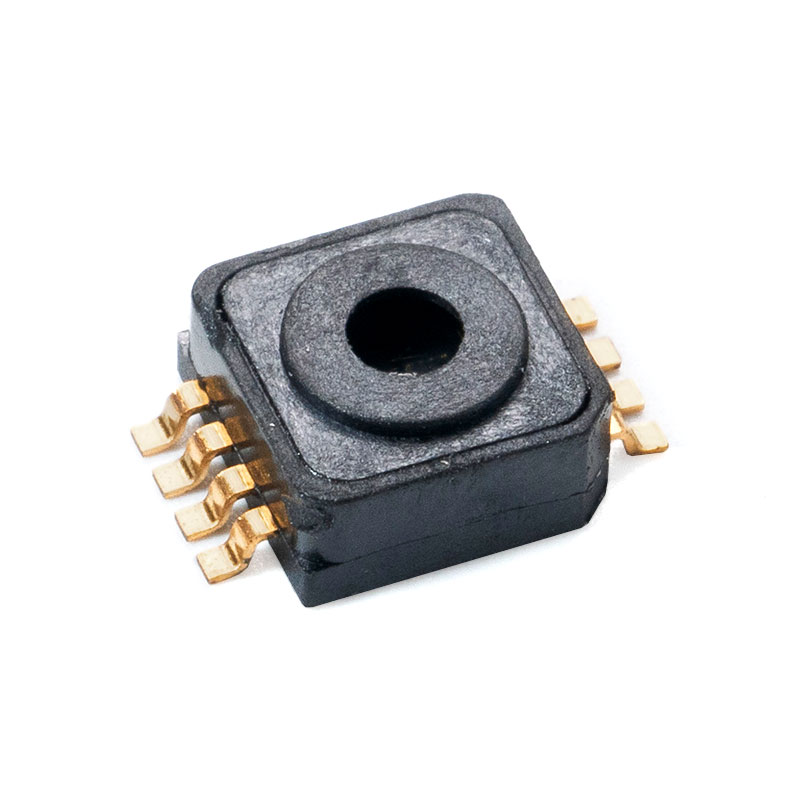
For controller-driven industrial equipment that needs a compact digital part, the MCPh21 digital output pressure sensor is a surface-mount option designed for low-pressure and differential measurements, and it slots directly into I2C- or SPI-based control boards. The trade-off to keep in mind is integration effort: digital sensors require firmware support for their communication protocol, so the firmware team should be involved in the decision before the part is selected.
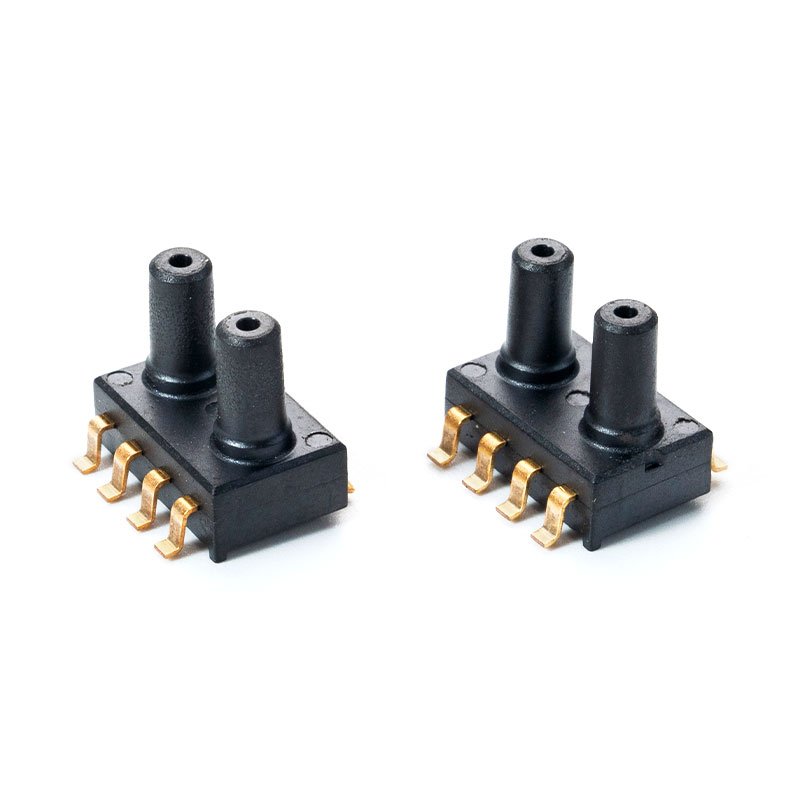 Wholesale MCP-H21 Pressure sensor for industrial Suppliers, FactoryWuxi Mems Tech Co., Ltd. Is a China wholesale MCP-H21 Pressure sensor for industrial Suppliers, factory,Descriptions The MCP-H21 series i...View Product →
Measurement Range: Why Headroom Is a Design Decision
The most expensive mistake in industrial sensor selection is picking a full-scale range that sits too close to the normal operating point. A system rarely runs at a single steady pressure. Pump pulsation, water hammer, filter loading, solenoid switching, and thermal cycling all create pressure spikes above the nominal value. When those spikes exceed the sensor's maximum rating, the diaphragm can be permanently damaged or the calibration can shift.
A widely used rule is to select a full-scale range at least 1.5 to 2 times the expected operating pressure. The trade-off is a small loss of resolution near the top of the range, but the gain in survival margin and long-term stability is worth far more in the field. Micro-pressure industrial tasks, such as cleanroom monitoring, airflow status detection, and filter differential pressure, typically run in the 0-500 Pa to 0-2 kPa class. Low-pressure sensors extend from a few kPa up to roughly 100 kPa and cover gas flow and tank head pressure. Medium-pressure parts take over for pneumatics and hydraulics in the 100 kPa to 1 MPa and higher range.
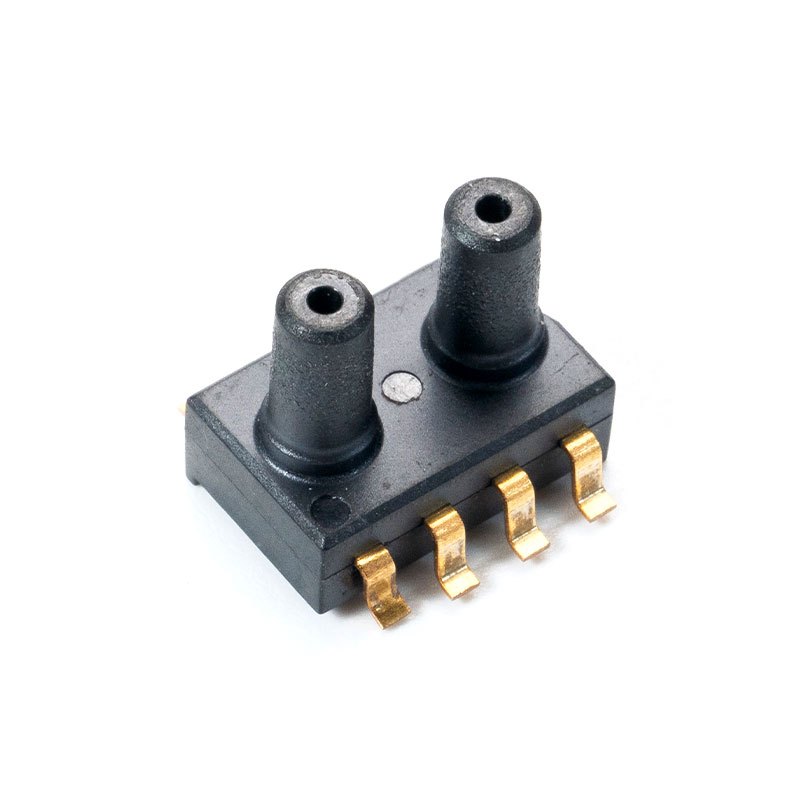
For micro-pressure industrial tasks such as cleanroom monitoring and airflow status detection, the DPTR8 micro-pressure sensor is engineered to resolve very small pressure changes, which makes it a practical starting point when the operating point sits far below 1 kPa.
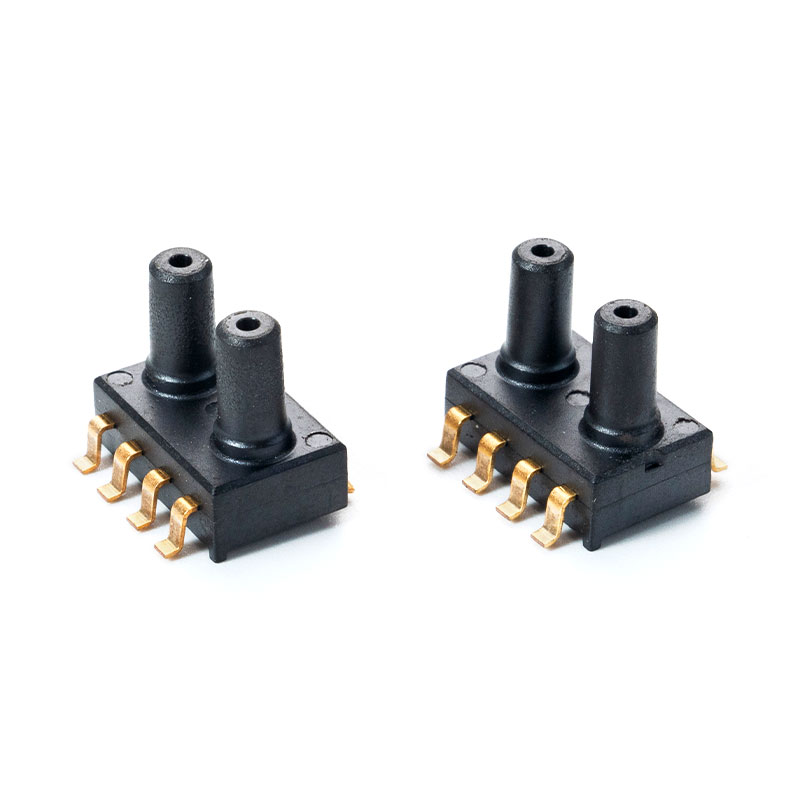 Wholesale DPT-R8 Pressure sensor for industrial Suppliers, FactoryWuxi Mems Tech Co., Ltd. Is a China wholesale DPT-R8 Pressure sensor for industrial Suppliers, factory,IntroductionThe subject of this do...View Product →
Packaging and Fluid Connection: SOP vs DIP/SIP
Packaging is often treated as an afterthought, but the package determines how the sensor is mounted on the board and how it connects to the fluid path. Two families dominate the MEMS pressure sensor market.
- Surface-mount packages (SOP) are optimized for pick-and-place assembly and reflow soldering. They save board space and keep assembly costs down at high volume, which makes them the natural fit for products that move straight from a production line.
- Direct-insertion packages (DIP/SIP) expose pressure ports in defined orientations and are easier to prototype by hand. They occupy more board area but can simplify the mechanical seal between the sensor and a silicone tube or rigid manifold.
The right choice depends on the production line, not just on the sensor datasheet. If the final product is assembled by automated placement, SOP parts are the lower-cost path. If the sensor sits inside a sealed enclosure where the port must be aligned with a tubing route, a DIP/SIP package with a clear port orientation is often easier to seal reliably.
Supplier Capability: What to Check Before You Order
Datasheets list accuracy in percentages, but the values that matter over a product's lifetime are temperature error, long-term drift, and lot-to-lot consistency. A sensor that is accurate at 25°C but drifts across its rated temperature range will cause field failures in industrial equipment. Per-unit temperature compensation is what separates a sensor that performs on paper from a sensor that performs in the field.
Before placing a volume order, buyers should ask a few direct questions:
- Does the factory carry out its own packaging, welding, and calibration, or does it only test purchased dies?
- Are zero and full-scale calibration performed on every unit, and is temperature compensation applied individually?
- What does the supplier's quality process cover, from incoming material to outgoing inspection?
- Can the supplier support prototyping through mass production, including design feedback on port configuration and layout?
These questions separate a sensor manufacturer from a trading company. A manufacturer can tighten tolerances, add a calibration point, or adjust a packaging detail; a reseller can only offer what it holds in stock. At MemsTech, each sensor leaves our Wuxi facility only after zero and full-scale calibration, temperature drift testing, and long-term stability evaluation. Our 2,000-square-meter production area handles packaging, welding, temperature compensation, and calibration in-house, and the line is built for an annual capacity of 60 million units. Depending on the series, specified accuracy reaches as tight as 0.2% of full scale. That vertical integration is what allows us to keep quality and delivery under direct control rather than relying on external subcontractors.
Putting It Together: Selecting across an Industrial Portfolio
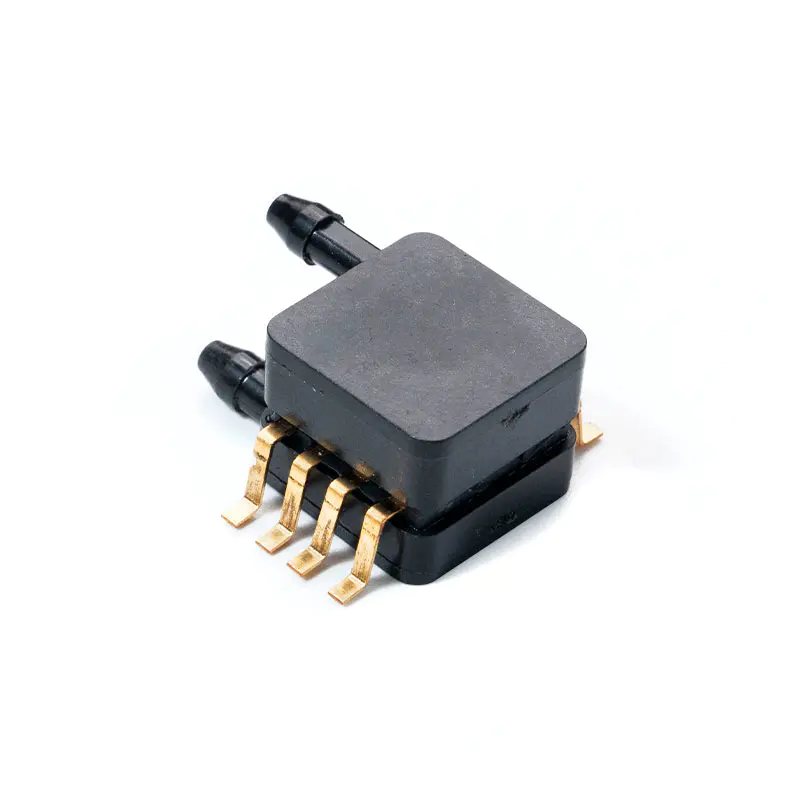
With the basics in place, the selection process becomes a narrowing exercise. Define the pressure reference, then the output interface, then the measurement range and package. For differential pressure readings in process monitoring, the MCP5700DP differential pressure sensor covers a broader range of industrial process pressure differentials and pairs naturally with the analog signal chain found in many PLC-based installations.
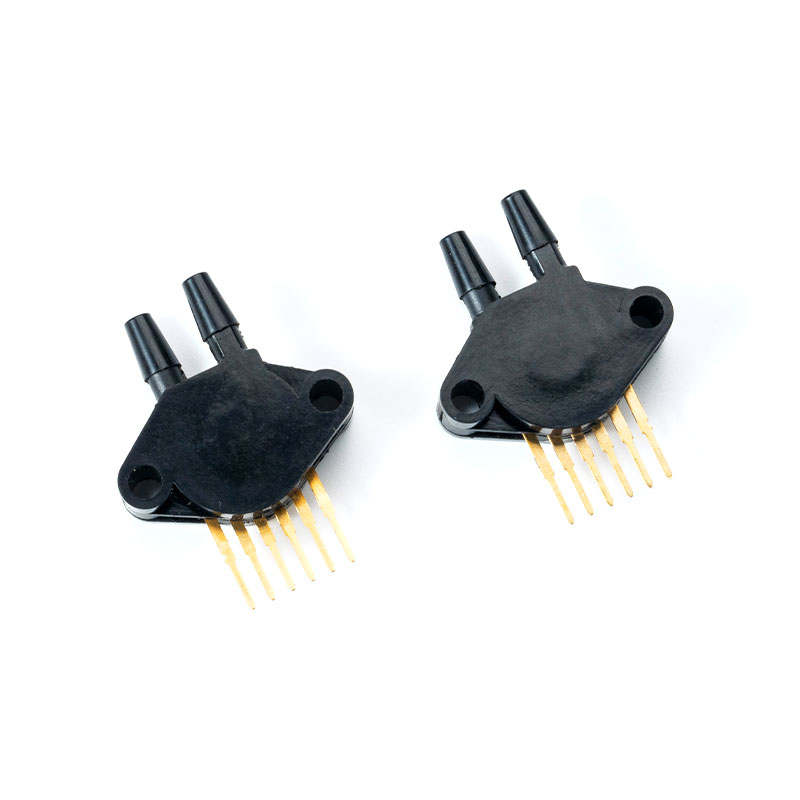 Wholesale MCP5700DP Pressure sensor for industrial Suppliers, FactoryWuxi Mems Tech Co., Ltd. Is a China wholesale MCP5700DP Pressure sensor for industrial Suppliers, factory,The MCP5XXXDP series has an int...View Product →
For a complete view of what MemsTech offers across these dimensions, browse the industrial pressure sensor lineup organized by pressure, output, and application. Engineers who want the full technical background on MEMS sensing can also start with this guide to MEMS pressure sensor technology, applications, and selection.
The common thread across every successful industrial sensor project is the same: start with the system requirements, give the sensor enough headroom, and buy from a manufacturer whose calibration and quality process you have verified. A pressure sensor is a small component, but in an industrial machine it is the component that tells the controller whether the process is healthy, degrading, or about to fail. Choosing it deliberately is the cheapest insurance a design team can buy.
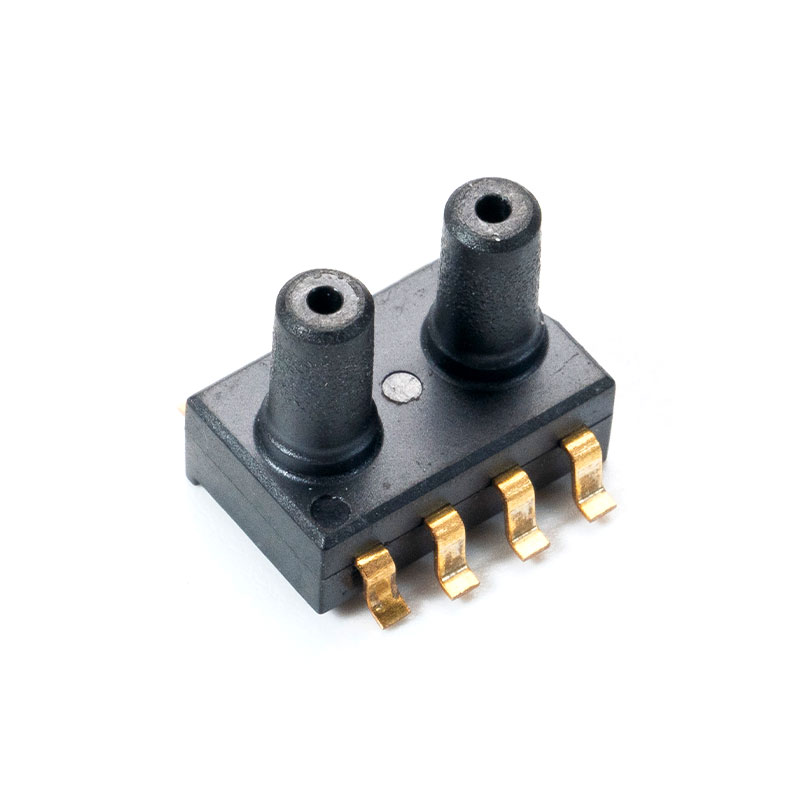

Mems Tech has specialized in the field of pressure sensors for over 14 years.
-
 [email protected]
-
 +86-18068257393
-
 50-1125 Zhongbang City Garden, No.2008 Taihu East Avenue, Xinwu District, Wuxi City, Jiangsu Province, China
Copyright © 2025 byWuxi Mems Tech Co., Ltd. Rights Reserved.
Custom MEMS Pressure Sensor Manufacturers
