

 English
 Français
 中文简体
中文简体Differential pressure sensor Manufacturers
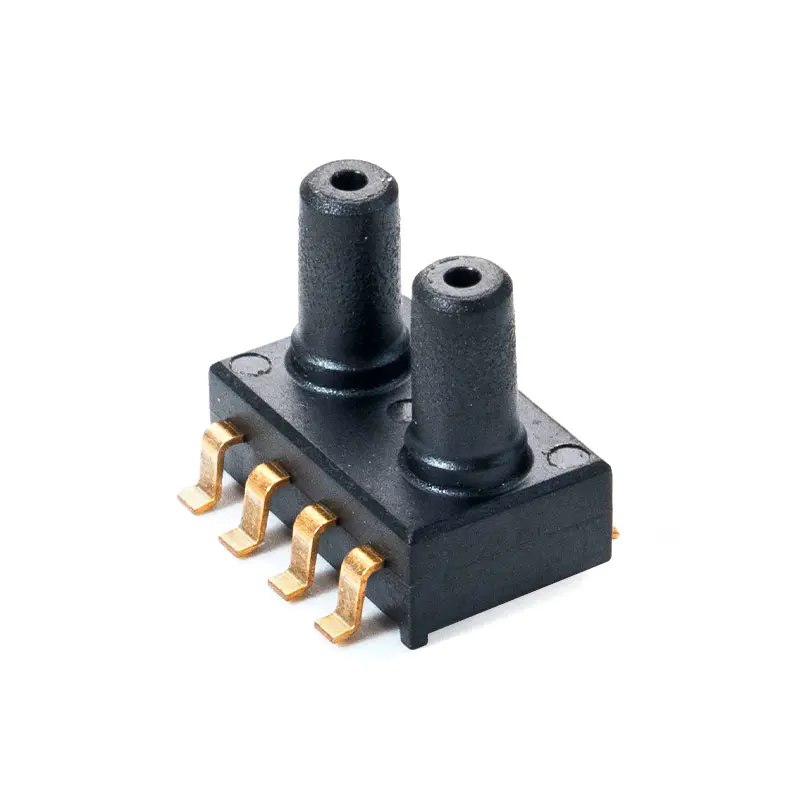
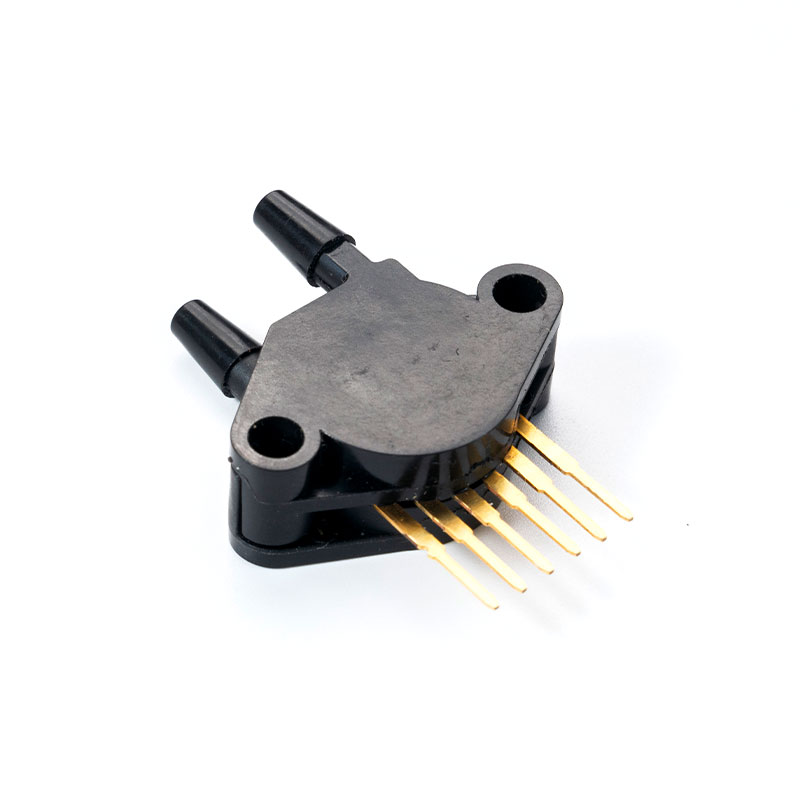
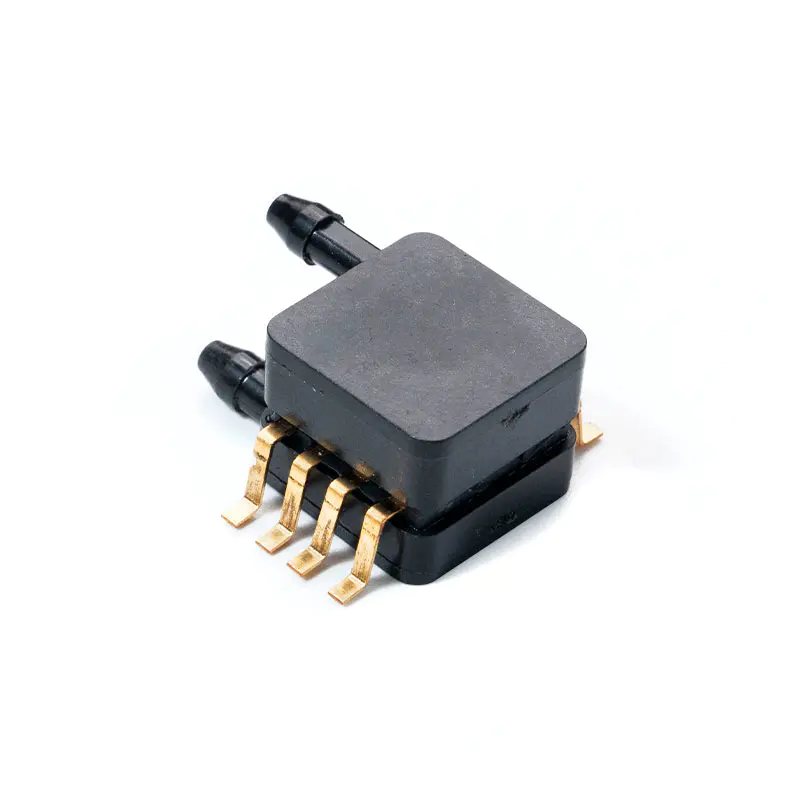
The differential pressure sensor is a high-precision device used to measure the pressure difference between two pressure sources. It is widely used in industrial automation, environmental monitoring, medical equipment and other fields. The core function is to achieve real-time monitoring and analysis of the system status by detecting the pressure difference between two different positions.
In industrial applications, differential pressure sensors are often used for filter blockage detection. By monitoring the pressure difference changes at both ends of the filter, the degree of filter blockage can be judged in time. In the field of liquid level measurement, the sensor accurately calculates the liquid level by detecting the pressure difference generated by different liquid heights. It is suitable for scenes such as storage tanks and chemical containers.
The differential pressure sensor has the characteristics of fast response, strong stability, and excellent anti-interference ability. It can adapt to a variety of media environments (such as gas and liquid) and provide analog or digital signal output, which is easy to integrate into the control system.
Mems
Wuxi Mems Tech Co., Ltd.
Founded in 2011 and located in Wuxi National Hi-tech District—China’s hub for IoT innovation. We are China Differential pressure sensor Manufacturers and Custom Differential pressure sensor Exporter, Company. MemsTech is enterprise specializing in the R&D, production, and sales of MEMS pressure sensors.Our sensor products are widely used in medical, automotive, and consumer electronics sectors. With professional development, scientific production management, rigorous packaging and testing, and competitive pricing, we consistently deliver high-performance, cost-effective sensing solutions.
News
-
A driver is cruising at 70 mph when the dashboard shows a yellow tire pressure icon. The tire is not visibly flat, and the vehicle still handles normally. What happened is that a MEMS pressure sensor mounted inside the wheel detected that the absolute pressure had dropped from a 2.2 bar baseline to about 1.9 bar. Tha...
VIEW MORE
-
Most drivers never think about the battery that keeps a tire pressure sensor alive. The module that reports "low tire pressure" sits inside the wheel, spinning at highway speed, and still has enough energy to measure and broadcast every few seconds. The answer to how do tire pressure sensors get power is usually simp...
VIEW MORE
-
At 5,000 feet, a 10 hPa barometric error translates into roughly 84 meters of altitude error. For a fixed-wing UAV flying terrain-following missions, that margin is the difference between a clean pass and a controlled crash. UAV pressure sensors are the instruments that tell the flight controller where the aircraft i...
VIEW MORE
Differential pressure sensor Industry knowledge
How Differential Pressure Sensors Improve Industrial Process Accuracy
Differential pressure sensors play a critical role in enhancing the accuracy and efficiency of industrial processes. By precisely measuring the pressure difference between two points in a system, these sensors provide real-time data that enables better control over fluid flow, filtration, and system safety. Accurate pressure measurements help prevent equipment damage, optimize energy consumption, and ensure consistent product quality.
Wuxi Mems Tech Co., Ltd., founded in 2011 and located in Wuxi National Hi-tech District—China's hub for IoT innovation—specializes in the R&D, production, and sales of MEMS pressure sensors. Their sensors are widely adopted in various industrial applications due to their high precision, reliability, and cost-effectiveness. Professional development, scientific production management, and rigorous testing ensure that these sensors consistently deliver accurate measurements, contributing directly to improved process control and operational efficiency.
Applications and Benefits
| Application Area | How Differential Pressure Sensors Help | Key Benefits |
|---|---|---|
| HVAC Systems | Monitor air flow and filter conditions | Maintain indoor air quality and system efficiency |
| Industrial Filtration | Detect pressure drops across filters | Prevent system clogging and maintain production quality |
| Fluid Flow Control | Measure pressure differences across valves and pumps | Optimize energy consumption and prevent equipment wear |
| Medical Devices | Monitor gas or fluid pressure in critical systems | Ensure patient safety and device accuracy |
| Automotive Systems | Measure manifold or fuel system pressures | Improve engine efficiency and emissions control |
By integrating high-performance differential pressure sensors into these applications, industries can achieve precise monitoring and control, resulting in higher product quality, safer operations, and reduced maintenance costs.
Maintenance Tips for Ensuring Long-Term Reliability of Differential Pressure Sensors
Differential pressure sensors are critical for accurate measurement and control in many industrial, HVAC, and medical applications. Proper maintenance ensures their long-term reliability and consistent performance. Below are key tips to maintain these sensors effectively:
Maintenance Guidelines
| Maintenance Area | Recommended Actions | Benefits |
|---|---|---|
| Regular Calibration | Calibrate sensors periodically according to manufacturer guidelines | Ensures measurement accuracy and prevents drift over time |
| Clean Sensor Elements | Remove dust, debris, or buildup from sensor ports and diaphragms | Maintains proper response and prevents blockage |
| Check for Leaks | Inspect tubing, fittings, and connections regularly | Prevents false readings and system malfunctions |
| Monitor Environmental Conditions | Avoid exposure to extreme temperatures, humidity, or corrosive gases | Extends sensor lifespan and prevents damage |
| Electrical Checks | Inspect wiring, connectors, and grounding for wear or corrosion | Ensures reliable signal transmission and prevents failures |
| Proper Storage | Store spare sensors in a clean, dry, and stable environment | Protects sensors from mechanical or environmental stress before use |
Additional Recommendations
- Always follow the manufacturer's maintenance schedule and documentation.
- Use compatible cleaning agents and avoid harsh chemicals that could damage sensor components.
- Replace sensors or components when calibration deviations exceed acceptable limits.
By implementing these maintenance practices, differential pressure sensors can provide reliable, accurate measurements over their full operational life, minimizing downtime and maintenance costs while ensuring process efficiency and safety.

Mems Tech has specialized in the field of pressure sensors for over 14 years.
Quick
Product Categories
Contact Us
-
 [email protected]
-
 +86-18068257393
-
 50-1125 Zhongbang City Garden, No.2008 Taihu East Avenue, Xinwu District, Wuxi City, Jiangsu Province, China
Wuxi Mems Tech Co., Ltd.
Copyright © 2025 byWuxi Mems Tech Co., Ltd. Rights Reserved.
Custom Differential pressure sensor Manufacturers
