

 English
 Français
 中文简体
中文简体What Makes MCP Pressure Sensors Essential for Modern Industries?
Date:2026-03-10
Content
- 1 Understanding MCP Pressure Sensors
- 2 MCP Pressure Sensor for Automotive Applications
- 3 MCP Pressure Sensor Industrial Integration Guide
- 4 MCP Pressure Sensor Specifications and Types
- 5 MCP Pressure Sensor Price Comparison
- 6 MCP Pressure Sensor High Temperature Rated
- 7 Choosing the Right MCP Pressure Sensor for Your Application
- 8 Conclusion
- 9 Frequently Asked Questions (FAQ)
- 9.1 What distinguishes MCP pressure sensors from conventional pressure transducers?
- 9.2 How do I select between analog and digital output MCP pressure sensors for automotive applications?
- 9.3 What integration considerations are most critical when implementing MCP pressure sensors in industrial automation?
- 9.4 Which specifications matter most when comparing MCP pressure sensors for high-precision applications?
- 9.5 How do high-temperature rated MCP pressure sensors justify their premium pricing?
- 10 References
In an era where precision measurement drives operational excellence, MCP pressure sensors have emerged as critical components across automotive, industrial, and medical sectors. Founded in 2011 and located in Wuxi National Hi-tech District—China's hub for IoT innovation—MemsTech is an enterprise specializing in the R&D, production, and sales of MEMS pressure sensors. Our sensor products are widely used in medical, automotive, and consumer electronics sectors. With professional development, scientific production management, rigorous packaging and testing, and competitive pricing, we consistently deliver high-performance, cost-effective sensing solutions.
Understanding MCP Pressure Sensors
What is an MCP Pressure Sensor?
An MCP pressure sensor represents a specialized category of microelectromechanical systems (MEMS) devices designed for precise pressure measurement in demanding environments. These sensors utilize piezoresistive or capacitive sensing principles to convert mechanical pressure into electrical signals with exceptional accuracy.
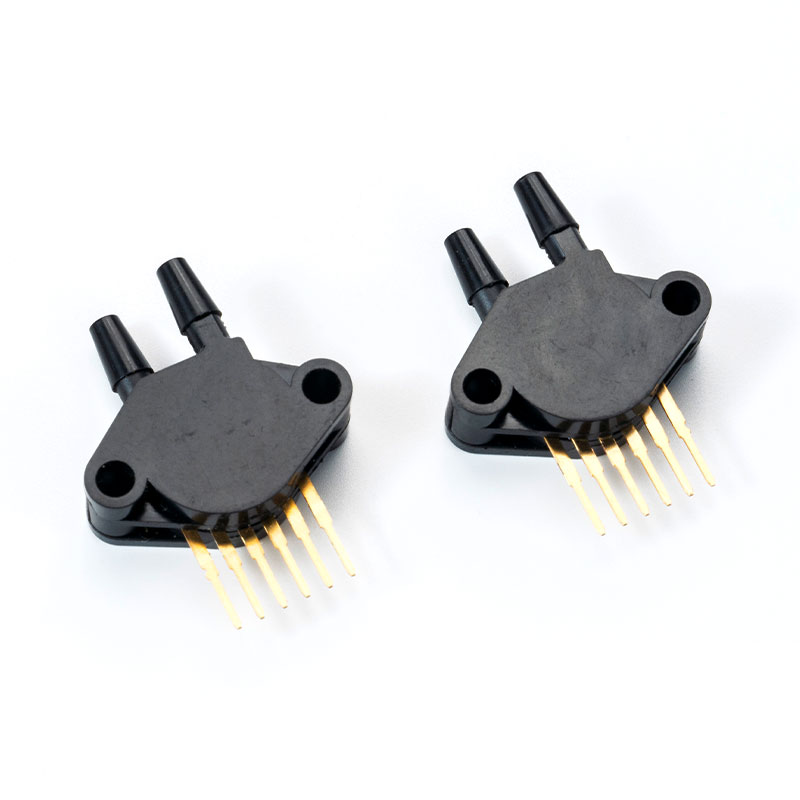
The fundamental architecture comprises a sensing diaphragm, typically fabricated from silicon or ceramic substrates, integrated with strain-sensitive elements. When pressure differential occurs across the diaphragm, mechanical deformation generates measurable electrical resistance changes or capacitance variations.
Core Technology Behind MEMS Pressure Sensing
MEMS technology enables miniaturization without compromising performance. The manufacturing process involves:
- Photolithography patterning for precise feature definition
- Deep reactive ion etching (DRIE) for three-dimensional structures
- Bonding techniques including anodic, fusion, and glass frit methods
- Thin-film deposition for electrical interconnects
The piezoresistive effect in silicon provides sensitivity coefficients approximately 10-50 times greater than metallic strain gauges, enabling high-resolution pressure detection.
Key Specifications and Performance Metrics
When evaluating MCP pressure sensor specifications and types, engineers must consider multiple performance parameters. Different application scenarios demand varying combinations of accuracy, response time, and environmental resilience.
The following comparison illustrates typical performance ranges across industrial-grade sensors:
| Parameter | Standard Grade | High-Precision Grade | Industrial Grade |
| Accuracy (% FS) | ±1.0 to ±2.0 | ±0.1 to ±0.5 | ±0.25 to ±1.0 |
| Pressure Range | 0-100 kPa typical | 0-10 kPa to 0-100 MPa | 0-1 MPa to 0-200 MPa |
| Operating Temperature | -20°C to +85°C | -40°C to +125°C | -40°C to +150°C |
| Response Time | 1-5 ms | 0.1-1 ms | 0.5-2 ms |
| Long-term Stability | ±0.5% FS/year | ±0.1% FS/year | ±0.2% FS/year |
MCP Pressure Sensor for Automotive Applications
Critical Roles in Vehicle Systems
The MCP pressure sensor for automotive applications serves multiple mission-critical functions in modern vehicles. These sensors must withstand extreme temperature fluctuations, vibration, electromagnetic interference, and media compatibility challenges while maintaining measurement integrity throughout the vehicle's operational lifetime.
Engine Management and Fuel Systems
In powertrain applications, pressure sensors monitor manifold absolute pressure (MAP), fuel rail pressure, and crankcase pressure. Direct injection systems require sensors capable of measuring pressures up to 200 bar with microsecond-level response times to enable precise fuel metering.
Tire Pressure Monitoring (TPMS)
Regulatory mandates across major automotive markets require TPMS implementation. These sensors operate in severe environments, experiencing rotational accelerations exceeding 2000g and temperature ranges from -40°C during winter operation to +125°C during high-speed driving.
HVAC and Climate Control
Refrigerant pressure monitoring ensures optimal thermal management while preventing compressor damage. Sensors must demonstrate compatibility with R-134a, R-1234yf, and emerging CO2-based refrigerant systems.
Automotive Industry Standards and Certifications
Automotive-grade MCP pressure sensors must comply with stringent qualification protocols:
- AEC-Q100 stress test qualification for integrated circuits
- ISO 26262 functional safety requirements (ASIL ratings)
- EMC compliance per CISPR 25 and ISO 11452
- Vibration resistance per ISO 16750-3
Why Advanced Sensors Excel in Automotive Environments
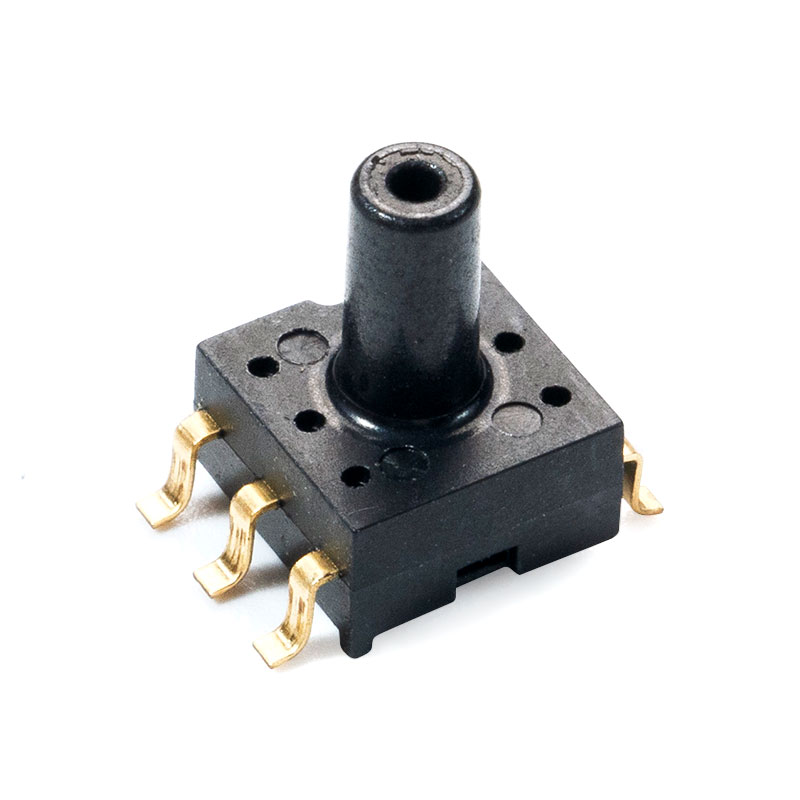
Leading manufacturers implement proprietary packaging technologies including backside sensing configurations, gel protection for media isolation, and dual-die redundant architectures for safety-critical applications. The transition toward electric vehicles introduces new requirements for battery thermal management and fuel cell pressure monitoring.
MCP Pressure Sensor Industrial Integration Guide
Step-by-Step Integration Process
Successful implementation of MCP pressure sensor industrial integration requires systematic engineering methodology. This MCP pressure sensor industrial integration guide outlines proven approaches for system architects and hardware engineers.
System Compatibility Assessment
Initial evaluation must address electrical interface compatibility (analog voltage, current loop 4-20mA, or digital I2C/SPI/CAN), mechanical mounting constraints, and media wetted materials compatibility. Pressure port configurations include G1/4, NPT1/8, and custom manifold interfaces.
Electrical Interface Configuration
Analog sensors require careful consideration of supply voltage stability, load impedance matching, and analog-to-digital converter resolution. Digital interfaces necessitate protocol timing analysis and bus capacitance calculations for reliable communication.
Calibration and Testing Protocols
Production calibration typically involves multi-point linearization at reference temperatures, followed by temperature compensation using embedded lookup tables or polynomial correction algorithms. End-of-line testing validates accuracy, leakage, and electrical parameters.
Common Integration Challenges and Solutions
Engineers frequently encounter specific technical obstacles during integration:
| Challenge | Root Cause | Solution Approach |
| Output drift over temperature | Inadequate compensation algorithms | Implement multi-order polynomial correction or ASIC-based compensation |
| Mechanical resonance | Pressure port geometry and tubing length | Install snubbers, redesign port geometry, or select higher frequency response sensors |
| Media corrosion | Incompatible wetted materials | Specify 316L stainless steel, Hastelloy, or ceramic isolation diaphragms |
| Electromagnetic interference | Inadequate shielding or grounding | Implement twisted pair cabling, ferrite suppression, and proper PCB layout |
| Condensation in vent hole | Humidity ingress in gauge reference | Install desiccant filters or select sealed gauge configurations |
Customization Support for Industrial Clients
Industrial applications frequently demand specialized configurations. Capabilities include custom pressure ranges, modified electrical outputs, specialized connectors, and enhanced environmental sealing. Collaborative development programs enable rapid prototyping from concept to production qualification.
MCP Pressure Sensor Specifications and Types
Pressure Range Classifications
The MCP pressure sensor specifications and types encompass diverse pressure measurement categories. Understanding these classifications enables proper sensor selection for specific measurement scenarios.
Low Pressure (0-10 kPa)
Low-pressure sensors address HVAC, medical ventilation, and cleanroom monitoring applications. These devices require exceptional sensitivity and minimal dead volume. Typical applications include:
- Building automation and air handling units
- Medical CPAP and ventilator devices
- Filter monitoring and airflow measurement
- Wind tunnel and aerodynamic testing
Medium Pressure (10-1000 kPa)
This range covers the majority of industrial process control and automotive applications. Sensors in this category balance sensitivity with robustness, offering diverse output options and media compatibility.
High Pressure (>1000 kPa)
High-pressure sensors serve hydraulic systems, industrial gas handling, and automotive fuel injection. Construction typically involves steel or ceramic sensing elements with thick diaphragm designs to withstand extreme mechanical stress.
Output Signal Types (Analog vs. Digital)
The selection between analog and digital interfaces involves trade-offs between simplicity and functionality:
| Characteristic | Analog (Voltage/Current) | Digital (I2C/SPI/CAN) |
| Implementation Complexity | Low - simple ADC required | Moderate - protocol stack needed |
| Noise Immunity | Limited - susceptible to EMI | High - digital error detection |
| Diagnostic Capability | Basic - signal range checking | Advanced - status registers, fault codes |
| Multi-sensor Busing | Individual wiring per sensor | Shared bus architecture |
| Calibration Data | External storage required | Embedded EEPROM storage |
| Update Rate | Continuous real-time | Bus-dependent latency |
Package Variants and Form Factors
Mechanical integration options include:
- Threaded process connections (BSPP, NPT, metric)
- Flush diaphragm designs for viscous media
- Submersible configurations for level measurement
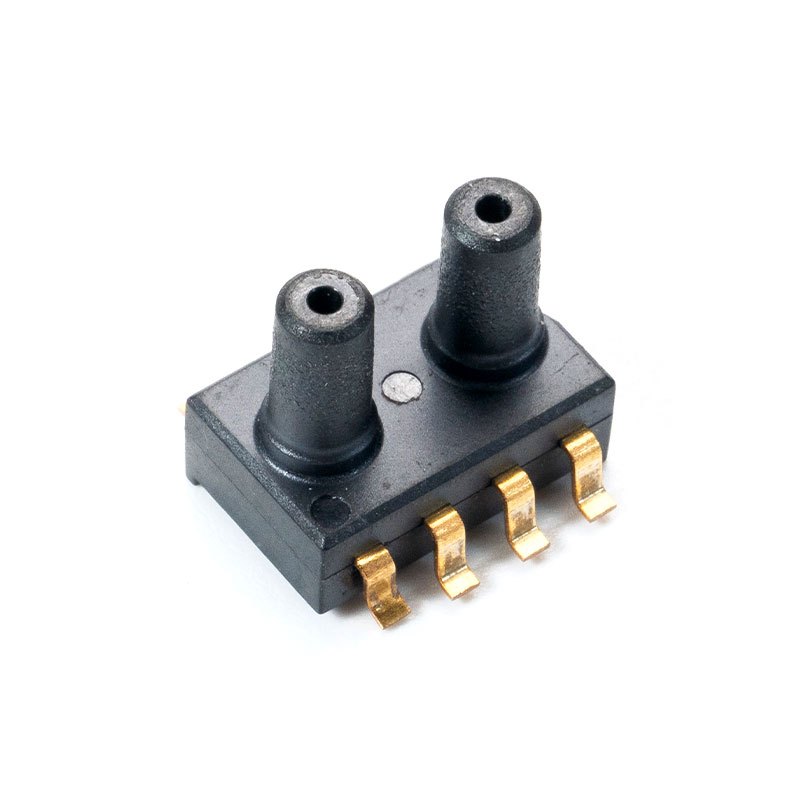
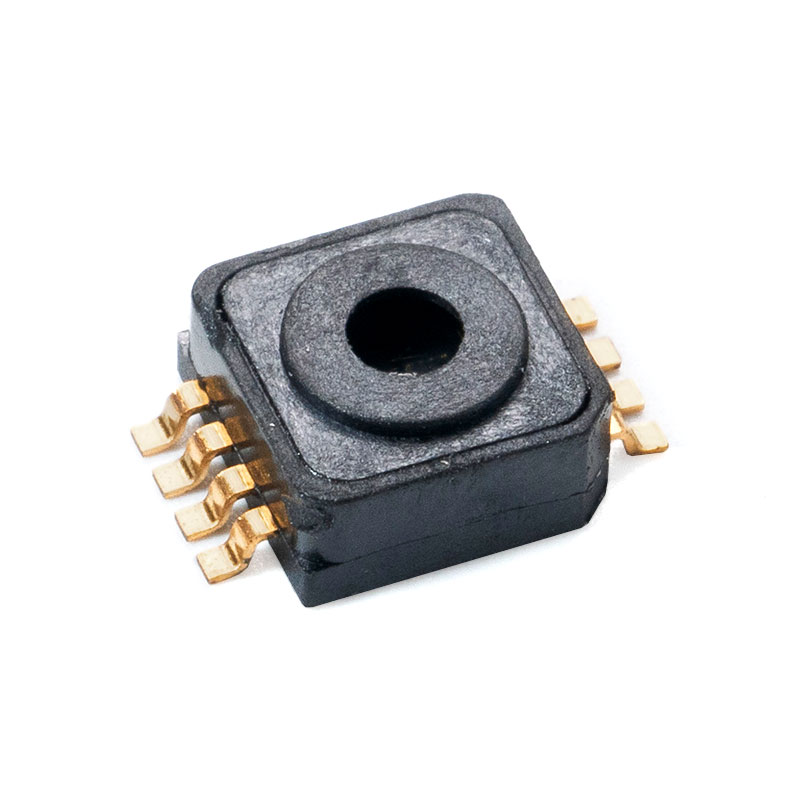
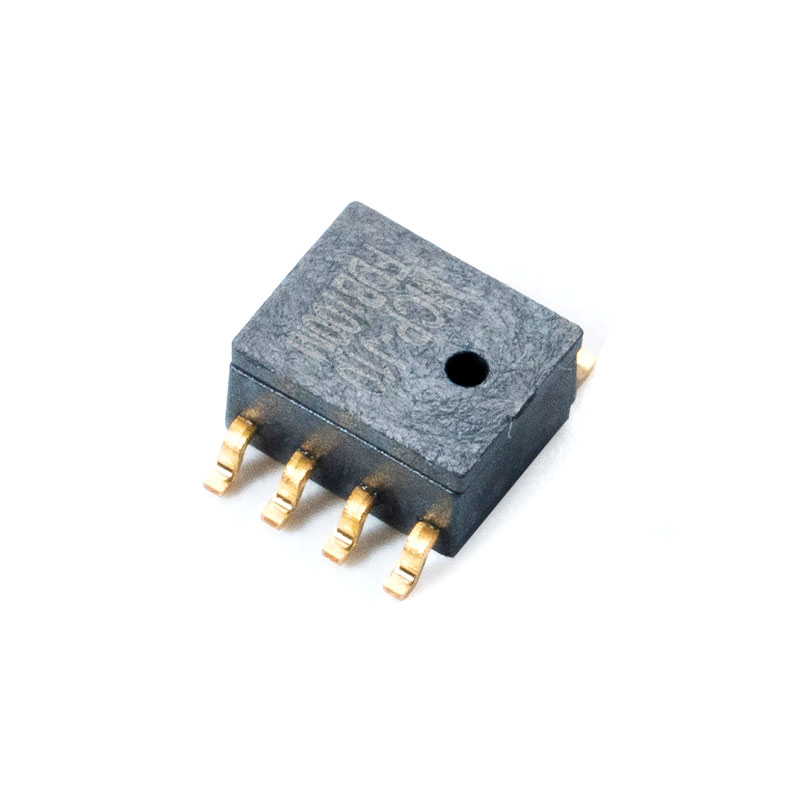
- PCB-mountable packages for embedded systems
- Sanitary fittings for food and pharmaceutical applications
Diverse Product Portfolio
Comprehensive sensor manufacturers maintain extensive product lines spanning these categories, enabling single-source procurement for multi-application projects. Vertical integration from chip fabrication to final assembly ensures consistent quality and supply chain reliability.
MCP Pressure Sensor Price Comparison
Factors Affecting Sensor Pricing
Conducting a meaningful MCP pressure sensor price comparison requires understanding cost drivers beyond the unit price. Procurement professionals must evaluate total cost of ownership including integration, calibration, and field reliability.
Manufacturing Complexity
Sensor cost correlates with fabrication precision. MEMS die manufacturing requires semiconductor cleanroom facilities, with yield rates significantly impacting final pricing. Advanced compensation ASICs add cost but improve performance consistency.
Volume and Scale Economics
High-volume automotive applications achieve unit costs below $5 through massive scale production. Industrial sensors in moderate volumes (1,000-10,000 units annually) typically range $20-$200 depending on specifications. Low-volume specialized sensors may exceed $500 per unit.
Certification Requirements
Safety-critical applications requiring IEC 61508, ATEX, or medical ISO 13485 certification incur additional validation costs. These expenses amortize across production volumes, significantly impacting per-unit pricing for low-volume orders.
Price vs. Performance Analysis
The following comparison illustrates typical market positioning:
| Category | Price Range (USD) | Accuracy | Typical Applications |
| Consumer Grade | $2 - $10 | ±2% to ±5% FS | Appliances, toys, basic monitoring |
| Industrial Standard | $15 - $75 | ±0.5% to ±1% FS | Process control, HVAC, general automation |
| High-Precision Industrial | $50 - $200 | ±0.1% to ±0.25% FS | Test and measurement, calibration equipment |
| Automotive OEM | $3 - $25 | ±1% to ±2% FS | Powertrain, chassis, body electronics |
| Medical/Safety Critical | $100 - $500+ | ±0.5% to ±1% FS | Life support, patient monitoring, anesthesia |
Delivering Cost-Effective Solutions Without Compromising Quality
Strategic manufacturing location selection, vertical integration, and automated production enable competitive pricing while maintaining rigorous quality standards. Wuxi National Hi-tech District provides access to advanced MEMS foundry services, specialized packaging facilities, and IoT ecosystem resources that optimize production economics.
MCP Pressure Sensor High Temperature Rated
Operating Temperature Ranges Explained
MCP pressure sensor high temperature rated variants address applications where standard consumer-grade devices fail. Temperature specifications follow industry-standard categories:
- Commercial: 0°C to +70°C
- Industrial: -40°C to +85°C
- Extended: -40°C to +125°C
- Automotive: -40°C to +150°C
- High-Temperature: -40°C to +175°C or higher
Materials and Design for Extreme Environments
Achieving reliable operation at elevated temperatures requires specialized material science. Silicon piezoresistive elements maintain functionality beyond 200°C, but packaging materials often limit practical operating ranges.
High-temperature sensors utilize:
- Gold-aluminum wire bonding instead of conventional copper
- High-temperature ceramics (alumina, aluminum nitride) for substrates
- Silicone-free potting compounds rated for continuous high-temperature exposure
- Specialized glass-to-metal seals maintaining hermeticity across thermal cycling
Applications in High-Temperature Settings
Industrial Process Control
Steam systems, chemical reactors, and combustion processes require sensors capable of withstanding temperatures exceeding 150°C while maintaining measurement accuracy. These applications often combine high temperature with aggressive media, necessitating corrosion-resistant materials.
Automotive Engine Compartments
Modern turbocharged engines generate under-hood temperatures reaching 150°C with additional radiant heating from exhaust components. Sensors mounted near cylinder heads, turbochargers, or exhaust gas recirculation systems require robust thermal management.
High-Temperature Sensor Capabilities
Advanced manufacturing capabilities enable custom high-temperature solutions with specialized testing protocols including thermal shock validation, high-temperature operating life (HTOL) testing, and thermal cycling endurance verification.
Choosing the Right MCP Pressure Sensor for Your Application
Assessment Checklist for Buyers
Systematic evaluation ensures optimal sensor selection:
- Define pressure range including safety margin above maximum working pressure
- Identify media compatibility requirements for all wetted materials
- Specify accuracy requirements including non-linearity, hysteresis, and repeatability
- Determine environmental conditions: temperature, humidity, vibration, shock
- Select electrical interface compatible with existing system architecture
- Evaluate certification requirements for target markets and applications
- Assess long-term availability and supplier technical support capabilities
Why Partner with Established MEMS Manufacturers?
Selecting a sensor supplier involves evaluating technical capabilities, quality systems, and commercial factors. Key considerations include:
13+ Years of MEMS Expertise Since 2011
Established manufacturers possess extensive process knowledge, failure mode databases, and continuous improvement methodologies refined through years of production experience. This expertise translates into predictable performance and reliable supply chains.
Strategic Location and IoT Innovation Hub Advantages
Wuxi National Hi-tech District concentration of MEMS foundries, packaging houses, and IoT application developers creates ecosystem synergies. Proximity to specialized suppliers enables rapid prototyping, cost optimization, and access to emerging technologies.
Comprehensive R&D, Production, and Testing Capabilities
Vertically integrated operations from chip design through final test ensure quality control and intellectual property protection. In-house reliability testing including HAST, temperature cycling, and mechanical shock validation accelerates qualification timelines.
Competitive Pricing with Multi-Sector Specialization
Experience across medical, automotive, and consumer electronics sectors enables technology cross-pollination and economies of scale. Diversified production volumes optimize manufacturing efficiency while sector-specific expertise ensures application-appropriate solutions.
Conclusion
Future Trends in MCP Pressure Sensing Technology
Emerging developments include wireless pressure monitoring eliminating cabling infrastructure, AI-enabled predictive maintenance integration, and continued miniaturization for IoT edge devices. The convergence of sensing, processing, and communication within single packages will redefine system architectures.
Contact MemsTech for Custom Solutions
For specialized MCP pressure sensor requirements, collaborative development programs address unique application challenges. Technical teams provide application engineering support from concept through production ramp, ensuring optimal sensor performance in your specific implementation.
Frequently Asked Questions (FAQ)
What distinguishes MCP pressure sensors from conventional pressure transducers?
MCP pressure sensors utilize MEMS technology enabling miniaturization, high-volume manufacturing consistency, and integration with modern electronic systems. Unlike conventional macro-scale transducers, MEMS devices offer superior response times, lower power consumption, and compatibility with automated assembly processes essential for cost-sensitive applications.
How do I select between analog and digital output MCP pressure sensors for automotive applications?
For MCP pressure sensor for automotive applications, analog outputs suit simple control systems requiring continuous real-time monitoring with minimal latency. Digital interfaces (SENT, PSI5, or SPI) provide diagnostic capabilities, bus connectivity, and embedded compensation data essential for complex powertrain management systems. Modern vehicles increasingly mandate digital protocols for emissions-critical sensors.
What integration considerations are most critical when implementing MCP pressure sensors in industrial automation?
Key MCP pressure sensor industrial integration considerations include electrical noise immunity in factory environments, mechanical vibration resistance, media compatibility with process fluids, and long-term stability under continuous operation. Proper grounding, shielded cabling, and appropriate filtration prevent EMI-induced measurement errors. Following a systematic MCP pressure sensor industrial integration guide prevents costly field failures.
Which specifications matter most when comparing MCP pressure sensors for high-precision applications?
When evaluating MCP pressure sensor specifications and types for precision applications, prioritize total error band (combining non-linearity, hysteresis, and non-repeatability) over simple linearity specifications. Temperature coefficients, long-term drift rates, and resolution limits determine real-world accuracy. High-precision applications require sensors with compensation ranges matching actual operating conditions, not just reference temperature performance.
MCP pressure sensor high temperature rated variants require specialized materials, advanced packaging techniques, and extended reliability testing. The pricing premium reflects gold wire bonding, ceramic substrates, high-temperature seals, and qualification testing including thermal cycling and high-temperature operating life validation. In applications where standard sensors fail prematurely, the total cost of ownership including downtime and replacement labor justifies the initial investment.
References
- Automotive Electronics Council. (2013). AEC-Q100 Rev-J: Failure Mechanism Based Stress Test Qualification for Integrated Circuits. AEC Technical Committee.
- International Organization for Standardization. (2018). ISO 26262-1:2018 Road vehicles — Functional safety. ISO.
- Kovacs, G. T. A. (1998). Micromachined Transducers Sourcebook. McGraw-Hill. ISBN 978-0072907223.
- MEMS and Nanotechnology Exchange. (2022). MEMS Pressure Sensor Design and Fabrication Handbook. MNX Technical Publications.
- Smith, C. S. (1954). Piezoresistance Effect in Germanium and Silicon. Physical Review, 94(1), 42-49.
- Sze, S. M. (2002). Semiconductor Devices: Physics and Technology (2nd ed.). John Wiley & Sons. ISBN 978-0471333722.
- World Economic Forum. (2023). The Future of IoT: MEMS Sensors in Industrial Applications. WEF White Paper Series.

Mems Tech has specialized in the field of pressure sensors for over 14 years.
-
 [email protected]
-
 +86-18068257393
-
 50-1125 Zhongbang City Garden, No.2008 Taihu East Avenue, Xinwu District, Wuxi City, Jiangsu Province, China
Copyright © 2025 byWuxi Mems Tech Co., Ltd. Rights Reserved.
Custom MEMS Pressure Sensor Manufacturers
