

 English
 Français
 中文简体
中文简体What Is a Medium Pressure Sensor?
Date:2026-04-23
Content
A medium pressure sensor is an electromechanical device that measures fluid or gas pressure within a mid-range scale, typically from 1 bar to 100 bar (approximately 15 psi to 1,450 psi). It converts mechanical pressure into an electrical signal for monitoring, control, or data acquisition systems. Engineers and procurement teams in automotive, industrial, and HVAC sectors rely on these sensors for process accuracy and equipment protection.
Working Principle of Medium Pressure Sensors
Piezoresistive Sensing Method
Most medium pressure sensors use the piezoresistive medium pressure sensor working principle. In this method, a diaphragm made of silicon or ceramic deforms under applied pressure. Strain gauges bonded to the diaphragm change their electrical resistance in proportion to the deformation. A Wheatstone bridge circuit converts this resistance change into a measurable voltage output.
- Applied pressure deflects the sensing diaphragm.
- Piezoresistors on the diaphragm surface change resistance
- Wheatstone bridge amplifies the resistance imbalance
- The output signal is proportional to the applied pressure
- Signal is then conditioned and transmitted to a controller or display
Signal Conditioning and Output Types
Raw signals from the sensing element require conditioning before they are usable. Internal ASIC circuits handle amplification, temperature compensation, and linearization. Common output formats used in medium pressure sensor for industrial applications include the following.
- Analog voltage: 0–5 V or 0–10 V, common in process control
- Analog current: 4–20 mA, preferred for long-distance signal transmission
- Digital output: I2C, SPI, or CAN bus for embedded system integration
- Ratiometric output: used in automotive ECU-compatible sensors
Sensing Element Materials
The choice of sensing element material affects accuracy, chemical compatibility, temperature range, and long-term stability. The ceramic vs silicon pressure sensor comparison is one of the most common decisions engineers face during sensor selection. Both materials use the piezoresistive effect but differ in structure and performance characteristics.
Silicon Sensing Elements
Silicon diaphragms are microfabricated using MEMS technology. They offer very high sensitivity and arewell-suitedd for clean media such as air, dry gas, and non-corrosive liquids.
- High gauge factor: sensitive to small pressure changes
- Tight accuracy: typically within 0.1% to 0.5% full scale
- Temperature sensitivity: requires active compensation circuits
- Not compatible with corrosive or high-humidity media without isolation
Ceramic Sensing Elements
Ceramic diaphragms use aluminum oxide (Al2O3) as the base material. They are thick-film printed with resistors and do not require oil fill or metal isolation diaphragms for most media.
- High chemical resistance: compatible with aggressive fluids
- No oil fill required: reduces risk of contamination in food or medical use
- Lower sensitivity than silicon, but adequate for most industrial ranges
- Operating temperature: typically -40°C to +125°C
The table below compares silicon and ceramic sensing elements across the key parameters relevant to industrial procurement decisions.
| Parameter | Silicon Element | Ceramic Element |
|---|---|---|
| Sensitivity | Very high | Moderate |
| Accuracy (% FS) | 0.1–0.5% | 0.3–1.0% |
| Chemical resistance | Low (needs isolation) | High |
| Oil fill required | Often yes | No |
| Temperature range | -40°C to +150°C | -40°C to +125°C |
| Cost | Higher | Lower to moderate |
| Typical use | Automotive, precision instruments | Industrial, food, chemical |
Key Technical Specifications
Pressure Range and Accuracy
A medium-pressure transducer accuracy and specifications review should cover the full-scale range, burst pressure rating, and non-linearity. These three parameters define whether a sensor fits a given application safely and reliably.
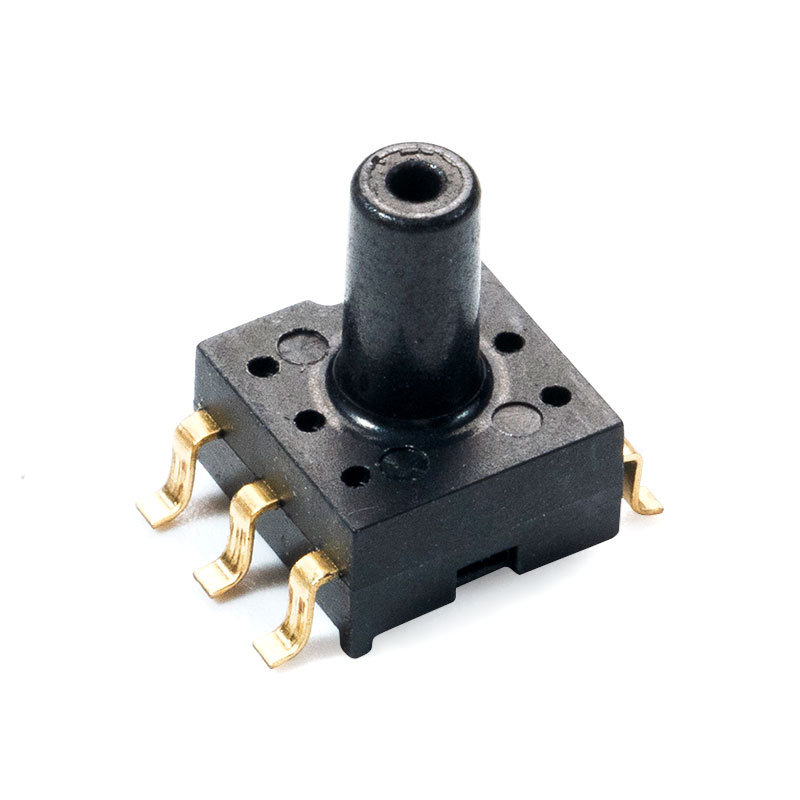
- Measuring range: 1 bar to 100 bar for medium pressure class
- Overpressure rating: typically 1.5x to 2x full-scale pressure
- Burst pressure: minimum 3x full-scale, higher for safety-critical use
- Non-linearity: 0.1% to 0.5% full scale, depending on grade
- Long-term stability: less than 0.2% full scale per year in stable conditions
Temperature Compensation
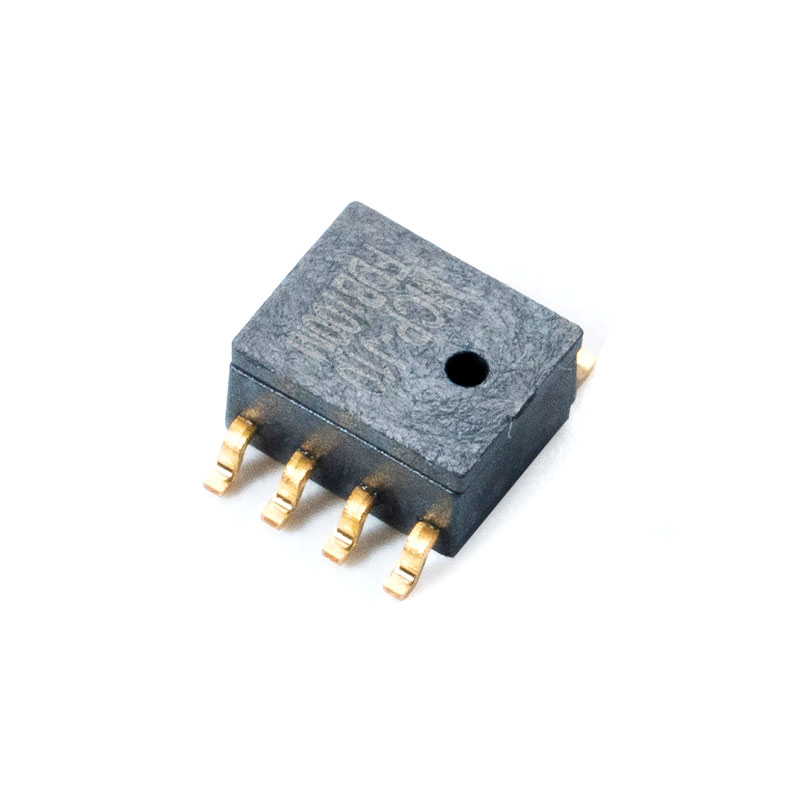
Pressure readings shift with temperature if the sensor is not compensated. Most industrial-grade sensors include onboard compensation across a range of -20°C to +85°C. Extended-range models cover -40°C to +125°C for harsh environments.
Industrial and Automotive Applications
Automotive Transmission Systems
The medium-pressure sensor for automotive transmission monitors hydraulic line pressure within automatic gearboxes. It provides real-time feedback to the transmission control unit (TCU) to manage gear shifts, clutch engagement, and torque converter lockup. Typical operating pressure in this application ranges from 5 bar to 30 bar. Sensors in this category must meet AEC-Q100 automotive qualification standards and operate reliably across wide temperature cycles.
Industrial Process Transmitters
Process industries use medium-pressure sensors inside smart transmitters for flow measurement, level detection, and pressure monitoring in pipelines. These devices transmit 4–20 mA signals over long cable runs to distributed control systems (DCS). Accuracy requirements in this segment often require IEC 60770 compliance and regular calibration traceability to national standards.
HVAC and Fluid Control
Building automation systems use medium-range pressure sensors to monitor chiller circuits, compressed air lines, and water distribution networks. Sensors in this segment typically operate between 1 bar and 25 bar and must carry IP65 or IP67 protection ratings for installation in mechanical rooms.
Selection Criteria for B2B Buyers
Procurement engineers evaluating a medium-pressure sensor for industrial applications should compare candidates across seven core parameters. The table below provides a structured framework for this evaluation.
| Criteria | What to Verify | Typical Requirement |
|---|---|---|
| Pressure range | Full scale vs operating range | Sensor FS = 1.5x max process pressure |
| Accuracy | Combined error including hysteresis | 0.5% FS or better |
| Output signal | Match to PLC or ECU input type | 4–20 mA or 0–10 V |
| Media compatibility | Wetted materials vs fluid chemistry | 316L SS or ceramic for corrosive media |
| Protection rating | IP rating for installation environment | IP65 minimum for outdoor use |
| Certifications | CE, UL, ATEX if a hazardous area | Confirm before the purchase order |
| Operating temperature | Ambient and media temperature limits | -40°C to +85°C standard grade |
FAQ
What pressure range defines a medium pressure sensor?
A medium pressure sensor generally covers the range from 1 bar to 100 bar (15 psi to 1,450 psi). Below this range, sensors are classified as low-pressure. Above 100 bars, they fall into the high-pressure category. The exact boundary varies by industry standard and application context, but 1–100 bar is the widely accepted medium pressure classification in industrial instrumentation.
What is the difference between a pressure sensor and a pressure transducer?
The terms are often used interchangeably, but there is a technical distinction. A pressure sensor refers to the sensing element itself. A pressure transducer includes the sensing element plus signal conditioning circuitry that produces a standardized output such as 4–20 mA or 0–10 V. In practice, most medium-pressure transducer accuracy and specifications datasheets cover the complete assembly, including signal output.
Which sensing material is better for aggressive media: silicon or ceramic?
Ceramic is the better choice for aggressive or corrosive media. As shown in the ceramic vs silicon pressure sensor comparison, ceramic aluminum oxide diaphragms resist acids, alkalis, and many industrial chemicals without requiring oil fill or additional isolation layers. Silicon elements offer higher accuracy but need stainless steel or titanium isolation diaphragms when exposed to anything other than clean, dry media.
References
- IEC 60770-1. (2010). Transmitters for Use in Industrial-Process Control Systems – Part 1: Methods for Performance Evaluation. International Electrotechnical Commission.
- Fraden, J. (2016). Handbook of Modern Sensors: Physics, Designs, and Applications (5th ed.). Springer.
- AEC-Q100 Rev-H. (2014). Failure Mechanism-Based Stress Test Qualification for Integrated Circuits. Automotive Electronics Council.
- Bao, M. H. (2000). Micro Mechanical Transducers: Pressure Sensors, Accelerometers, and Gyroscopes. Elsevier.
- ASME B40.100. (2013). Pressure Gauges and Gauge Attachments. American Society of Mechanical Engineers.
- Dally, J. W., & Riley, W. F. (2005). Instrumentation for Engineering Measurements (2nd ed.). Wiley.

Mems Tech has specialized in the field of pressure sensors for over 14 years.
-
 [email protected]
-
 +86-18068257393
-
 50-1125 Zhongbang City Garden, No.2008 Taihu East Avenue, Xinwu District, Wuxi City, Jiangsu Province, China
Copyright © 2025 byWuxi Mems Tech Co., Ltd. Rights Reserved.
Custom MEMS Pressure Sensor Manufacturers
