

 English
 Français
 中文简体
中文简体How Does an MCP Pressure Sensor Ensure Industrial Safety?
Date:2026-04-09
Content
Introduction to Melt Pressure Measurement
In the fields of polymer processing and extrusion, precise pressure monitoring is vital for product quality and equipment safety. Engineers frequently rely on the MCP Pressure Sensor to measure the pressure of molten plastics and viscous fluids. These sensors operate in extreme environments where temperatures often exceed 300°C. A failure in pressure measurement can lead to catastrophic equipment damage or significant product waste. Therefore, understanding the technical nuances of these devices is crucial for process engineers and procurement managers.
Core Technology and Design Principles
The reliability of a pressure sensor depends on its construction and underlying physics. These devices convert mechanical force into electrical signals for control systems to interpret.
Understanding MCP Pressure Sensor Specifications
Buyers must carefully review the MCP Pressure Sensor specifications before making a purchase. Key parameters include the pressure range, which typically spans from 0-100 bar to 0-1500 bar depending on the application. The accuracy class is another critical factor, with high-quality sensors offering values within ±0.25% or ±0.5% of the full scale. The stability of the zero point and the thermal drift coefficients define the sensor's long-term reliability. Engineers should also examine the electrical connection options to ensure compatibility with existing control cabinets.
The Role of the Flush Diaphragm Pressure Sensor
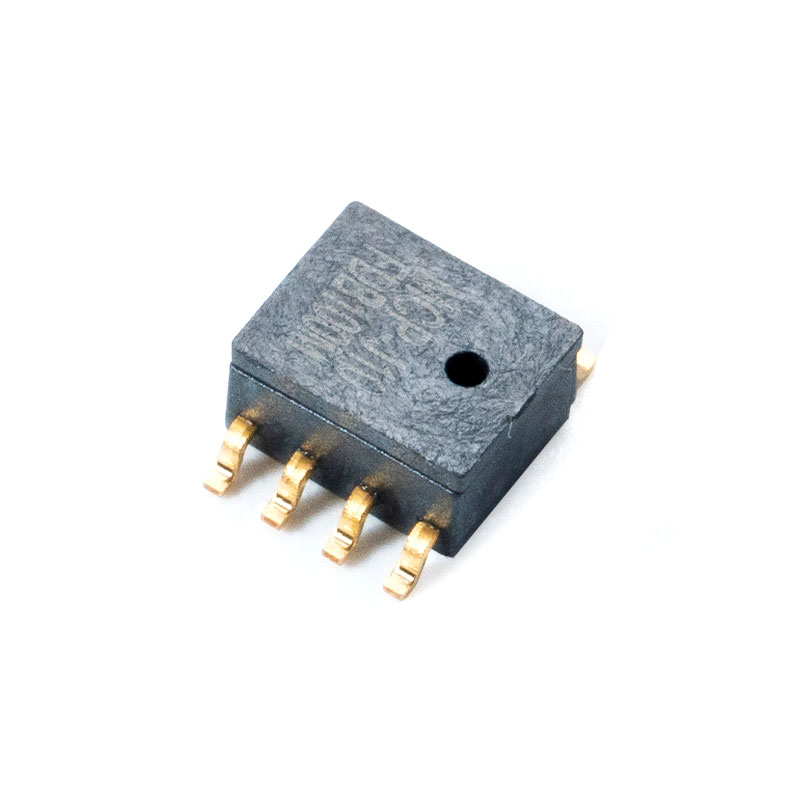
In extrusion processes, materials are often highly viscous and can solidify quickly. A standard pressure port might clog, leading to false readings. A flush diaphragm pressure sensor solves this issue by mounting the sensing element directly flush with the process connection. This design eliminates dead space where material could accumulate. The diaphragm is usually constructed from high-grade stainless steel or special alloys like Hastelloy to resist corrosion from aggressive polymers.
Performance Characteristics and Output Signals
Selecting the correct output signal is essential for system integration. Different control systems require different signal types. The choice affects the transmission distance and the signal's resistance to electrical noise.
The table below compares the most common output types found in industrial pressure sensing.
| Feature | 4-20mA Current Loop | 0-10V Voltage Output | mV/V Analog |
| Signal Type | Current | Voltage | Voltage Ratio |
| Transmission Distance | Long (>100m) | Medium | Short |
| Noise Immunity | High | Moderate | Low |
| Wiring Complexity | 2-wire (Simple) | 3-wire | 4-wire or 6-wire |
Key Features for Demanding Environments
High Temperature Pressure Transducer Capabilities
Temperature management is the biggest challenge in melt pressure measurement. A high-temperature pressure transducer utilizes a robust sensing element that can withstand intense heat. However, the electronics within the sensor housing have a lower tolerance, usually limited to around 85°C or 100°C. To protect these electronics, manufacturers use capillary systems filled with special oils or heat dissipation fins. These mechanisms isolate the heat from the sensitive electronic components, ensuring accurate signal transmission without thermal drift.
Signal Integration: Melt Pressure Transducer 4-20mA
The most widely accepted standard for industrial process control is the 4-20mA current loop. A melt pressure transducer 4-20mA offers a robust solution for transmitting data to PLCs (Programmable Logic Controllers). The "4mA" represents the zero reading, while "20mA" represents the maximum pressure. This configuration allows the system to detect wire breaks easily; if the current drops to 0mA, the control system knows there is a fault. It also provides excellent immunity to electromagnetic interference common in factories with heavy motors.
Procurement Strategies for B2B Buyers
Selecting a Reliable Industrial Pressure Sensor Supplier
For businesses, the technical quality of the product is only half the equation. Partnering with a reputable industrial pressure sensor supplier ensures consistent quality and technical support. B2B buyers should evaluate suppliers based on their ability to provide traceable calibration certificates. A reliable supplier must also offer customization options for thread types, cable lengths, and connector styles. Furthermore, the supplier's understanding of industry-specific certifications, such as ATEX for explosive atmospheres, is a non-negotiable requirement for many facilities.
Conclusion
The MCP Pressure Sensor remains a cornerstone component in modern polymer processing lines. Its ability to deliver precise readings under extreme heat and pressure protects both machinery and personnel. By understanding specifications, diaphragm types, and signal protocols, engineers can select the optimal device for their specific operational needs. Investing in high-quality sensing technology ultimately reduces downtime and enhances the overall efficiency of the manufacturing process.
Frequently Asked Questions
- What is the primary function of a flush diaphragm in a pressure sensor?
- How does a 4-20mA output signal improve noise immunity?
- Can a standard pressure sensor be used for melt pressure applications?
References
- Baker, R. C. (2016). Flow Measurement Handbook: Industrial Designs, Operating Principles, Performance, and Applications. Cambridge University Press.
- Béla G. Lipták. (2003). Instrument Engineers' Handbook: Process Measurement and Analysis. CRC Press.
- ISO 9001:2015 Quality Management Systems - Requirements. International Organization for Standardization.
- Beckwith, T. G., Marangoni, R. D., & Lienhard, V. J. H. (2007). Mechanical Measurements (6th ed.). Pearson.
- IEC 60770:2010, Transmitter for use in industrial-process control systems. International Electrotechnical Commission.

Mems Tech has specialized in the field of pressure sensors for over 14 years.
-
 [email protected]
-
 +86-18068257393
-
 50-1125 Zhongbang City Garden, No.2008 Taihu East Avenue, Xinwu District, Wuxi City, Jiangsu Province, China
Copyright © 2025 byWuxi Mems Tech Co., Ltd. Rights Reserved.
Custom MEMS Pressure Sensor Manufacturers
