

 English
 Français
 中文简体
中文简体Why Invest in a Pressure Sensor ?
Date:2026-04-16
Content
Introduction to Pressure Sensor
Pressure sensors are devices that measure the force exerted by a fluid or gas on a surface and convert it into an electrical signal. They are critical in monitoring and controlling processes across industries. Engineers and B2B buyers rely on them for precise and reliable measurements.
Key advantages include:
- High measurement accuracy and stability
- Rapid response times for real-time monitoring
- Durability in harsh industrial environments
- Compatibility with digital control systems
These sensors are widely used in manufacturing, automotive, medical, aerospace, and environmental monitoring.
Top 5 Long-Tail Applications
Digital Pressure Sensor for Industrial Use
Digital pressure sensors for industrial use provide precise readings for process control, automation, and safety systems. They typically feature digital outputs, robust housings, and high tolerance to temperature variations.
Industrial sensor comparison:
| Model | Pressure Range | Accuracy | Output Type |
| Sensor A | 0–10 bar | ±0.25% | I2C |
| Sensor B | 0–16 bar | ±0.2% | SPI |
| Sensor C | 0–25 bar | ±0.1% | Analog |
High-Accuracy Pressure Sensor for Medical Devices
High-accuracy pressure sensors for medical devices ensure reliable patient monitoring. They are used in ventilators, blood pressure monitors, and infusion pumps. These sensors require precise calibration and minimal drift over time.
- Accuracy: ±0.1–0.2%
- Temperature compensation included
- Miniaturized for compact medical devices
Waterproof Pressure Sensor for Outdoor Applications
Waterproof pressure sensors for outdoor applications can operate in rain, high humidity, or submerged conditions. IP67 or higher ratings are common, ensuring dust and water resistance.
IP rating comparison:
| Sensor Type | IP Rating | Suitable Application |
| Sensor A | IP65 | Weather monitoring |
| Sensor B | IP67 | Outdoor industrial equipment |
| Sensor C | IP68 | Submersible applications |
Compact Pressure Sensor for Automotive Systems
Compact pressure sensors for automotive systems measure fuel, oil, and brake pressures with high precision. Their small form factor allows integration into constrained engine compartments and HVAC systems.
- Operating temperature: -40°C to 125°C
- Vibration-resistant for automotive environments
- Fast response time under dynamic loads
Wireless Pressure Sensor for Smart Monitoring
Wireless pressure sensors for smart monitoring enable real-time remote data acquisition. They integrate seamlessly with IoT platforms, allowing predictive maintenance and energy optimization in industrial settings.
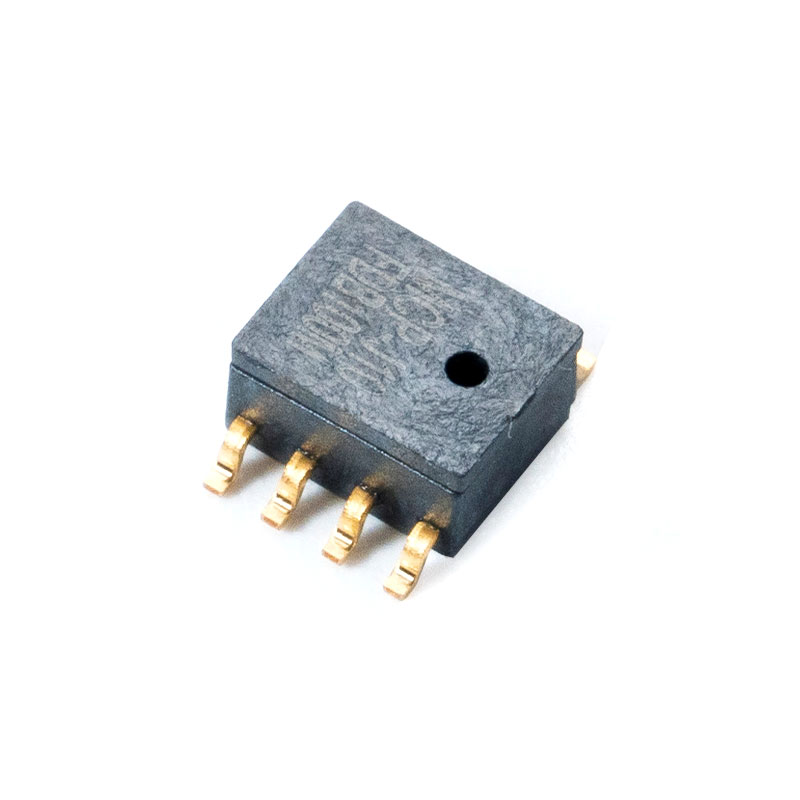
- Bluetooth or LoRa connectivity
- Low-power operation for extended battery life
- Data logging for trend analysis
Technical Specifications and Performance Metrics
- Sensing technology: piezoresistive, capacitive, and piezoelectric
- Measurement range: 0–0.1 bar to 0–600 bar
- Accuracy: ±0.05%–0.5% depending on type
- Response time: 1–10 ms
- Environmental tolerance: -40°C to 125°C, humidity up to 95%
- Long-term stability: drift <0.1% per year
- Maintenance: Calibration every 12–24 months is recommended
Comparison with Other Pressure Sensing Technologies
The table below compares different pressure-sensing methods:
| Technology | Advantages | Limitations | Typical Use |
| Piezoresistive | High sensitivity, compact | Temperature sensitive | Industrial, medical |
| Capacitive | Stable over the long term, low drift | Complex electronics | Medical, aerospace |
| Piezoelectric | Excellent dynamic response | Not for static pressure | Vibration, impact measurements |
Conclusion
Pressure sensors offer unmatched precision, reliability, and versatility for industrial, medical, automotive, and IoT applications. Selecting the right type ensures optimal performance, safety, and efficiency in B2B operations.
FAQ
- What is the most accurate type of pressure sensor?
Piezoresistive and capacitive sensors offer the highest accuracy, depending on calibration. - How do I select a pressure sensor for harsh environments?
Consider IP rating, temperature range, and material compatibility. - Can pressure sensors be integrated into wireless systems?
Yes, wireless sensors with Bluetooth, LoRa, or Wi-Fi modules enable real-time remote monitoring.
References
- Barrett, D. (2022). "Industrial Pressure Sensors: Design and Application." Sensors Journal.
- International Society of Automation. (2023). "Guidelines for Pressure Measurement." ISA Publications.
- Smith, J. & Lee, K. (2021). "Medical Device Sensor Accuracy Standards." Journal of Medical Engineering.
- Textile and Sensor Integration Conference. (2022). "Wireless Pressure Monitoring in Industry."
- IEEE Sensors. (2023). "Advances in Piezoresistive and Capacitive Pressure Sensors."
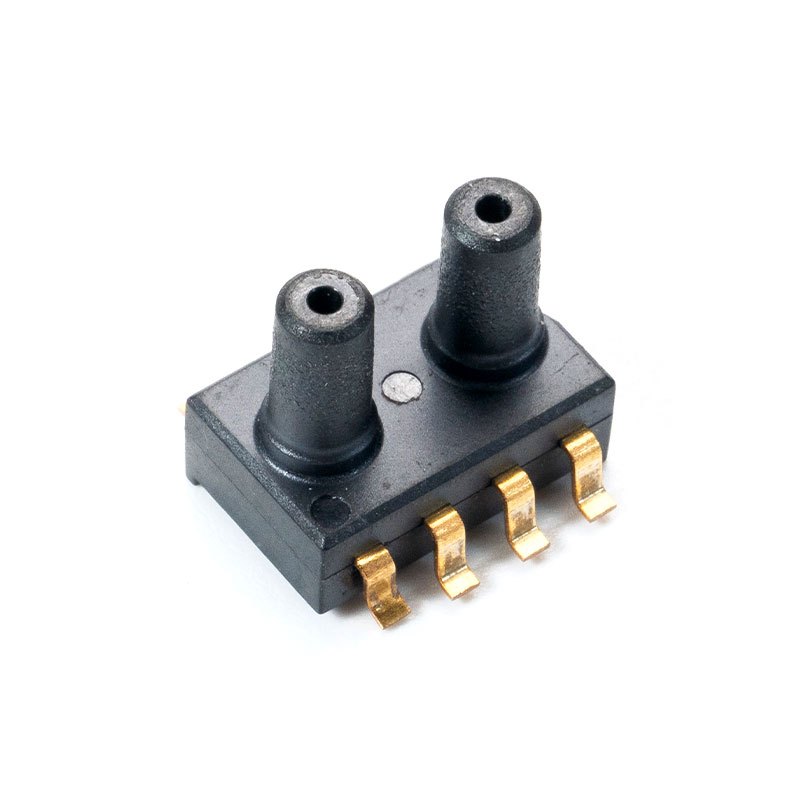
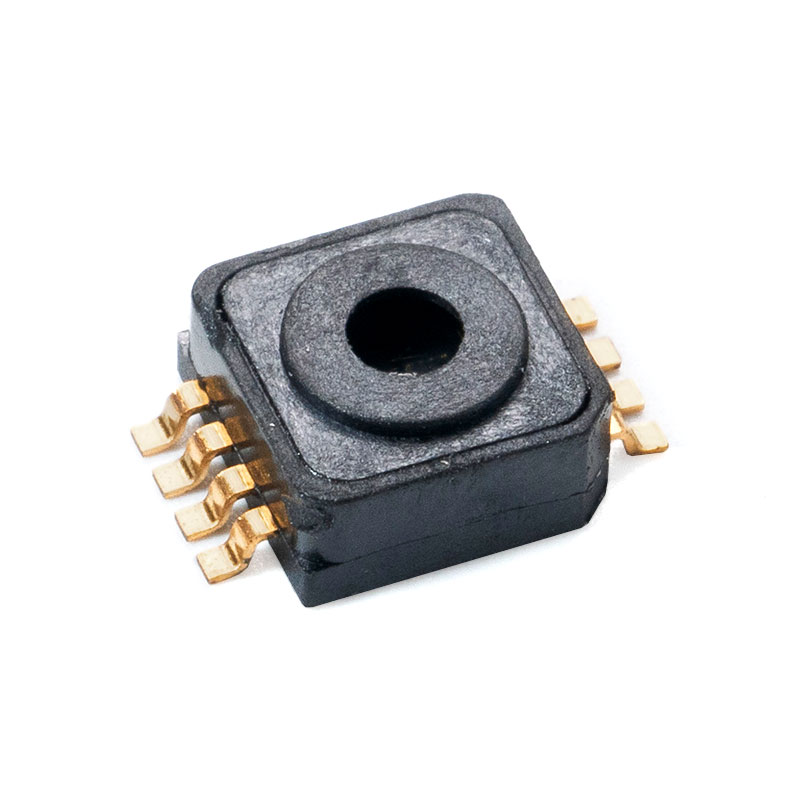
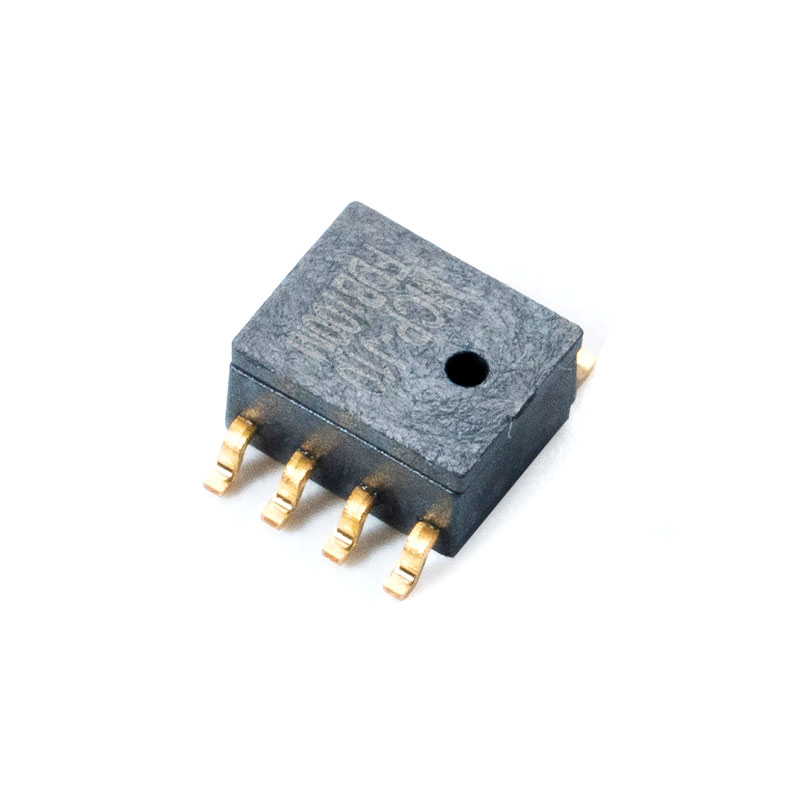

Mems Tech has specialized in the field of pressure sensors for over 14 years.
-
 [email protected]
-
 +86-18068257393
-
 50-1125 Zhongbang City Garden, No.2008 Taihu East Avenue, Xinwu District, Wuxi City, Jiangsu Province, China
Copyright © 2025 byWuxi Mems Tech Co., Ltd. Rights Reserved.
Custom MEMS Pressure Sensor Manufacturers
