

 English
 Français
 中文简体
中文简体MCP-J10, J20, J20A, J20B, J20C Analog Signal Sensors: A Comprehensive Technical Guide for Automotive and Industrial Pressure Measurement
Date:2026-07-12
Content
- 1 1. Understanding the Foundation: What Are MCP-J10, J20, J20A, J20B, and J20C Analog Signal Sensors?
- 2 2. Key Features and Technology
- 3 3. Comparative Analysis: MCP-J10 vs. MCP-J20 Series
- 4 4. Manufacturing Applications and Design Considerations
- 5 5. Sourcing and Quality Considerations for Exporters
- 6 6. Conclusion: The Value of Automotive-Grade Analog Signal Sensors in Modern Systems
- 7 7. Frequently Asked Questions
- 7.1 Q1: What is the difference between the MCP-J10 and MCP-J20 series sensors?
- 7.2 Q2: What are the typical applications for the MCP-J20A, J20B, and J20C variants?
- 7.3 Q3: What is the operating temperature range of these sensors?
- 7.4 Q4: What is the output voltage range of these sensors?
- 7.5 Q5: What ESD protection do these sensors provide?
- 8 8. References
In the demanding world of automotive engine management, industrial control, and new energy vehicle systems, the selection of the right pressure sensor is a critical decision that directly impacts system performance, reliability, and safety. Among the various types of pressure sensing solutions available, the MCP-J10, J20, J20A, J20B, and J20C Analog Signal Sensors have emerged as preferred choices for engineers and system designers seeking precision, durability, and versatility in pressure measurement applications. These advanced MEMS-based sensors integrate automotive-grade signal conditioning with precision temperature compensation, delivering accurate analog voltage outputs for a wide range of pressures from 10 kPa to 1500 kPa. This article provides a comprehensive technical analysis of MCP-J10, J20, J20A, J20B, and J20C Analog Signal Sensors, exploring their design principles, key features, performance specifications, and the critical factors that distinguish them from alternative pressure sensing solutions. For automotive engineers, industrial automation professionals, and procurement specialists seeking to make informed decisions about pressure measurement components, understanding the nuances of these sophisticated sensors is essential for achieving optimal system performance and reliability.
1. Understanding the Foundation: What Are MCP-J10, J20, J20A, J20B, and J20C Analog Signal Sensors?
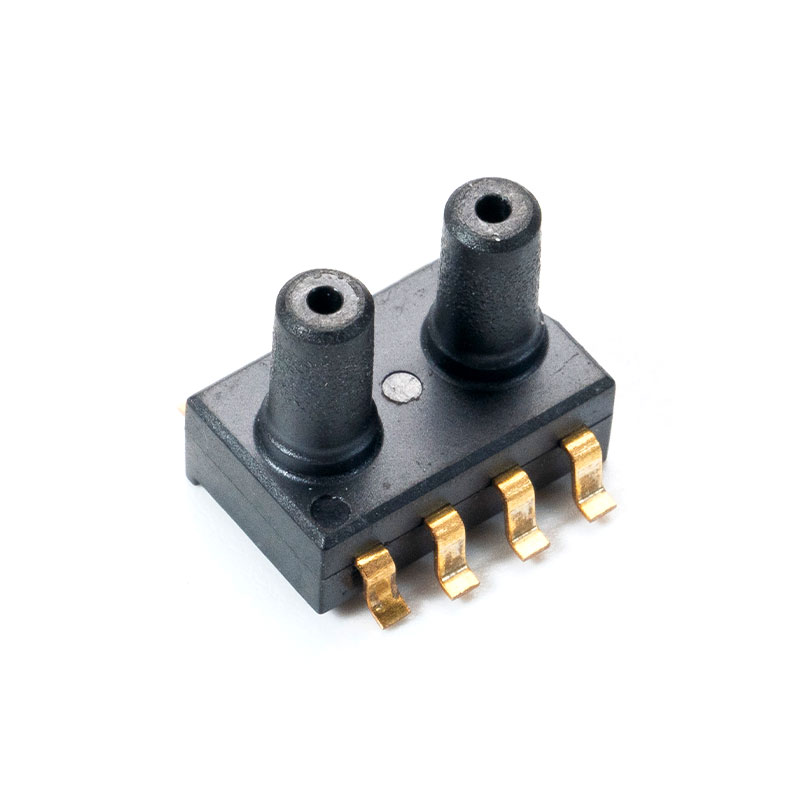
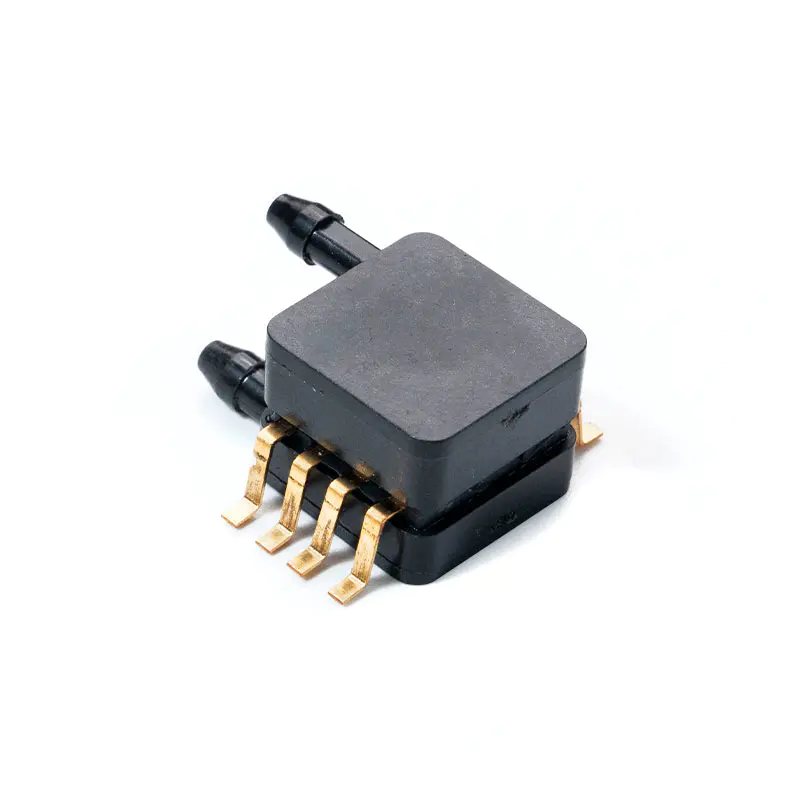
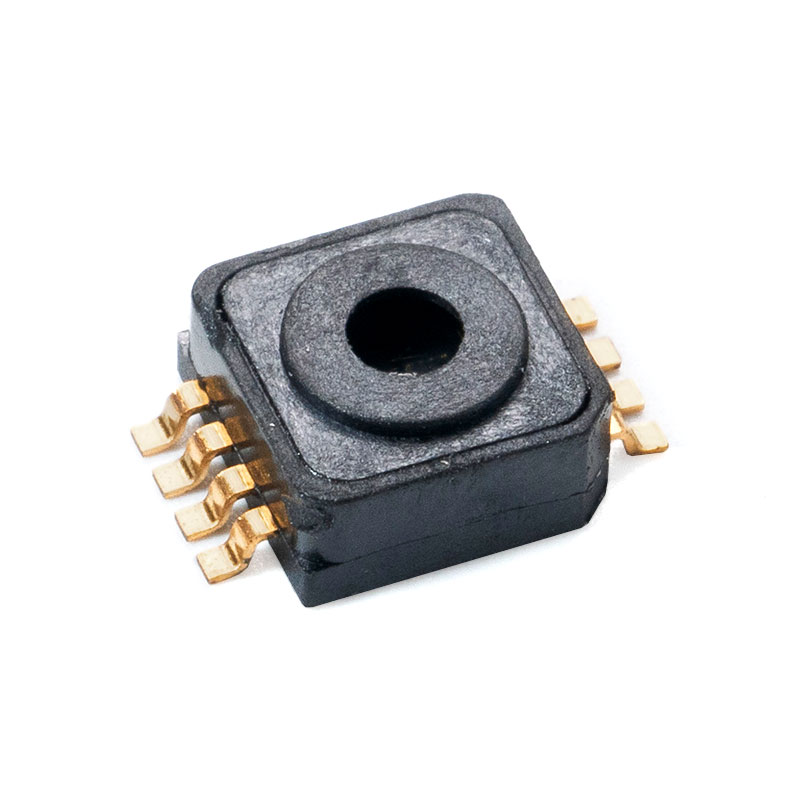
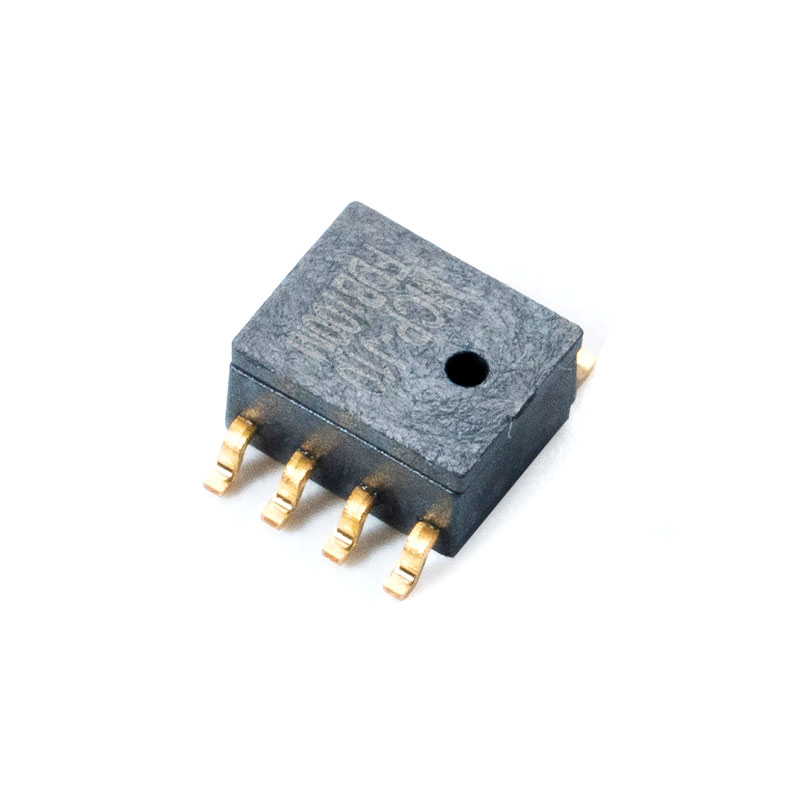
Before delving into the specific characteristics and applications of these sensor series, it is important to establish a clear understanding of what defines the MCP-J10, J20, J20A, J20B, and J20C analog signal sensors. These sensors are calibrated absolute pressure sensors designed specifically for air pressure measurement in demanding automotive and industrial environments. The product uses an automotive-grade signal conditioning chip to calibrate and compensate the MEMS output signal, converting pressure signals into analog output signals ranging from 0 to 5 volts.
The "J10" series represents a versatile absolute pressure sensor covering pressures from 10 kPa to 1500 kPa, making it suitable for a wide range of automotive and industrial applications. The "J20" series is specifically designed for pressure transmission in the intake manifold of automobiles and motorcycles, with pressure ranges up to 1000 kPa. The J20A, J20B, and J20C variants offer specialized pressure ranges and output configurations to meet specific application requirements.
Compared to standard pressure sensors or discrete sensing solutions, the MCP-J series analog signal sensors offer several distinct advantages. The integration of automotive-grade signal conditioning ensures excellent reliability and performance in harsh environments. The wide operating temperature range of -40 to +125 degrees Celsius enables use in engine compartments and other demanding locations. The subminiature surface mount package reduces board space requirements and simplifies system integration. The calibrated output eliminates the need for customer calibration, reducing development time and cost.
2. Key Features and Technology
The performance of the MCP-J10, J20, J20A, J20B, and J20C analog signal sensors is defined by a combination of advanced technologies and practical features that work together to provide reliable, accurate pressure measurement in demanding environments.
2.1 MEMS Piezoresistive Technology
At the heart of these sensors is MEMS piezoresistive technology. The sensing element consists of a silicon diaphragm with piezoresistors diffused into the surface. When pressure is applied to the diaphragm, it deflects, causing a change in resistance in the piezoresistors. This resistance change is proportional to the applied pressure and is converted into an electrical signal through an integrated Wheatstone bridge configuration. The MEMS fabrication process ensures high sensitivity, excellent linearity, and minimal hysteresis in the sensor output.
2.2 Automotive-Grade Signal Conditioning
The MCP-J series sensors integrate automotive-grade signal conditioning circuitry on the same chip as the sensing element. This integration provides several significant advantages. The signal conditioning chip calibrates and compensates the MEMS output signal, converting pressure signals into analog output signals ranging from 0 to 5 volts. The automotive-grade design ensures excellent reliability and performance in harsh automotive environments, including exposure to temperature extremes, vibration, and humidity.
2.3 Absolute Pressure Measurement
These sensors are designed for absolute pressure measurement, providing an output that is proportional to the difference between the applied pressure and a built-in reference vacuum. This makes them ideal for applications where the measurement must be independent of atmospheric pressure variations, such as manifold absolute pressure measurement in automotive engine control systems.
2.4 Wide Operating Temperature Range
The MCP-J series sensors are designed to operate reliably across a wide temperature range. The operating temperature range of -40 to +125 degrees Celsius enables use in engine compartments and other demanding automotive and industrial environments. The storage temperature range of -50 to +150 degrees Celsius provides robustness for manufacturing and storage conditions. The maximum error over the 0 to 85 degrees Celsius temperature range is 2.5%, ensuring accurate measurement across the normal operating range of most applications.
3. Comparative Analysis: MCP-J10 vs. MCP-J20 Series
While both the MCP-J10 and MCP-J20 series serve the fundamental purpose of providing accurate absolute pressure measurement, their distinct design features result in significant differences in capabilities and suitability for various applications. The following table provides a direct comparison to guide engineers, system designers, and procurement specialists in selecting the appropriate sensor for their specific needs.
| Feature | MCP-J10 Series | MCP-J20 Series |
|---|---|---|
| Pressure Range | 10 kPa to 1500 kPa | 10 kPa to 1000 kPa |
| Primary Application | General automotive and industrial | Intake manifold pressure measurement |
| Output Voltage Range | 0 to 5 V (customizable) | 0 to 5 V (customizable) |
| Offset Voltage (0 to 85°C) | 0.44 to 0.56 V | 0.4 to 0.6 V |
| Full Scale Output (0 to 85°C) | 4.44 to 4.56 V | 4.4 to 4.6 V |
| Full Scale Span (0 to 85°C) | 3.88 to 4.12 V | 3.8 to 4.2 V |
| Accuracy (0 to 85°C) | 2.5% VFSS | 2.5% VFSS |
| Response Time | 2.5 ms | 1.0 ms |
| ESD Protection | 4 kV HBM | 4 kV HBM |
| Ideal Applications | Automotive manifold pressure, industrial control, motorcycle pressure, CNG gas detection | Automotive intake manifold, motorcycle pressure, hybrid/EV vacuum sensors |
The choice between the MCP-J10 and MCP-J20 series ultimately depends on the specific requirements of the application. If the primary need is for a wide pressure range up to 1500 kPa, the MCP-J10 series is the ideal choice. For applications specifically focused on intake manifold pressure measurement where a pressure range up to 1000 kPa is sufficient, the MCP-J20 series offers excellent performance with a faster response time.
4. Manufacturing Applications and Design Considerations
The applications for the MCP-J10, J20, J20A, J20B, and J20C analog signal sensors are extensive, spanning multiple industries from automotive engine management and motorcycle systems to industrial control and new energy vehicles.
4.1 Automotive Engine Management
In automotive engine management systems, these sensors are used for manifold absolute pressure measurement, which is critical for engine control unit calculations of fuel delivery and ignition timing. The wide pressure range and automotive-grade reliability ensure accurate measurement under all operating conditions, from cold start to full load. The fast response time enables precise control of engine performance and emissions.
4.2 Motorcycle and Small Engine Applications
In motorcycle and small engine applications, the MCP-J series sensors are used for pressure measurement in intake manifolds and fuel injection systems. The compact size and robust construction make them ideal for the demanding environment of motorcycle engines, where space is limited and vibration levels are high.
4.3 New Energy Vehicles and Hybrid Systems
In new energy vehicles and hybrid systems, these sensors are used for vacuum power sensors and pressure measurement in various subsystems. The absolute pressure measurement capability is essential for applications such as brake boosters and other vacuum-assisted systems.
4.4 Industrial Control and CNG Gas Detection
In industrial control applications, the MCP-J series sensors are used for process monitoring and control. In CNG gas pressure detection, the sensors provide accurate measurement of gas pressure for safety and performance monitoring.
5. Sourcing and Quality Considerations for Exporters
For businesses involved in international trade and manufacturing, sourcing MCP-J10, J20, J20A, J20B, and J20C analog signal sensors from a reliable supplier is paramount. Exporters should prioritize suppliers with a proven track record and established credentials, such as those with extensive industry experience, advanced manufacturing facilities, and comprehensive quality control systems.
Key quality parameters to consider when evaluating MCP-J series analog signal sensors include:
- Accuracy: Verify that the sensor meets the specified accuracy requirements for the application, typically 2.5% VFSS over the 0 to 85 degrees Celsius temperature range.
- Pressure Range: Ensure that the sensor's pressure range covers the application requirements, from 10 kPa to 1500 kPa for the J10 series and up to 1000 kPa for the J20 series.
- Automotive-Grade Reliability: Verify that the sensor meets automotive-grade reliability standards, including the wide operating temperature range of -40 to +125 degrees Celsius.
- Output Calibration: Ensure that the sensor provides a calibrated analog voltage output with the specified offset and full-scale voltage ranges.
- ESD Protection: Verify that the sensor provides adequate ESD protection, typically 4 kV HBM, for robust handling during assembly.
- Response Time: Verify that the sensor's response time meets the application requirements, with typical values of 1.0 to 2.5 ms.
- Certifications: Look for suppliers with relevant quality certifications, such as ISO 9001 and IATF 16949 for automotive applications, which indicate a commitment to quality management systems.
6. Conclusion: The Value of Automotive-Grade Analog Signal Sensors in Modern Systems
The MCP-J10, J20, J20A, J20B, and J20C analog signal sensors represent a significant advancement in pressure sensing technology for automotive and industrial applications. The combination of MEMS piezoresistive technology, automotive-grade signal conditioning, and wide operating temperature range makes these sensors ideal for demanding applications, from engine management systems and motorcycle pressure measurement to new energy vehicle vacuum sensing and industrial control.
For automotive engineers, industrial automation professionals, and procurement specialists, understanding the unique advantages and specifications of the MCP-J series analog signal sensors is essential for informed component selection. By choosing high-quality sensors from a reputable supplier, businesses can ensure the accuracy, reliability, and performance of their measurement systems. Whether used for manifold absolute pressure measurement in automotive engines, pressure monitoring in motorcycle systems, or vacuum sensing in new energy vehicles, these versatile sensors continue to prove their value in the global sensing industry.
7. Frequently Asked Questions
Q1: What is the difference between the MCP-J10 and MCP-J20 series sensors?
The MCP-J10 series offers a wider pressure range of 10 kPa to 1500 kPa, while the MCP-J20 series offers a range of 10 kPa to 1000 kPa. The MCP-J20 series also has a faster typical response time of 1.0 ms compared to 2.5 ms for the J10 series. Both series provide 2.5% accuracy and automotive-grade reliability.
Q2: What are the typical applications for the MCP-J20A, J20B, and J20C variants?
The J20A, J20B, and J20C variants offer specialized pressure ranges within the 10 kPa to 1000 kPa range to meet specific application requirements. J20A typically covers the standard range, while J20B and J20C offer tailored ranges for specialized automotive and motorcycle applications such as intake manifold pressure measurement.
Q3: What is the operating temperature range of these sensors?
The MCP-J series sensors have an operating temperature range of -40 to +125 degrees Celsius, making them suitable for automotive engine compartment applications. The storage temperature range is -50 to +150 degrees Celsius.
Q4: What is the output voltage range of these sensors?
The sensors provide a calibrated analog voltage output with a typical range of 0.5 to 4.5 V at 5.0 V supply. The offset voltage is typically 0.5 V at minimum pressure, and the full-scale output is typically 4.5 V at maximum pressure. The output range can be customized to meet specific application requirements.
Q5: What ESD protection do these sensors provide?
The MCP-J series sensors provide ESD protection of 4 kV human body model, ensuring robust handling during manufacturing and assembly operations.
8. References
1. MemsTech. (2026). MCP-J10, J20, J20A, J20B, J20C Analog Signal Sensor Product Specifications. MemsTech Product Catalog.
2. MemsTech. (2026). About Wuxi Mems Tech Co., Ltd. Company Profile.
3. MemsTech. (2026). News: MCP-J10, J11, J12 Absolute Pressure Sensors for Industrial and Automotive Applications. MemsTech Industry News.
4. International Organization for Standardization. (2022). ISO 9001: Quality Management Systems - Requirements. ISO Standards.
5. International Automotive Task Force. (2022). IATF 16949: Quality Management System for Automotive Production. IATF Standards.
6. Society of Automotive Engineers. (2023). SAE J1491: Automotive Engine Manifold Absolute Pressure Sensor Specification. SAE Standards.
7. International Electrotechnical Commission. (2021). IEC 60747: Semiconductor Devices - Part 14: Semiconductor Sensors. IEC Standards.
8. American Society of Mechanical Engineers. (2023). ASME PTC 19.2: Pressure Measurement Instruments and Apparatus. ASME Standards.

Mems Tech has specialized in the field of pressure sensors for over 14 years.
-
 [email protected]
-
 +86-18068257393
-
 50-1125 Zhongbang City Garden, No.2008 Taihu East Avenue, Xinwu District, Wuxi City, Jiangsu Province, China
Copyright © 2025 byWuxi Mems Tech Co., Ltd. Rights Reserved.
Custom MEMS Pressure Sensor Manufacturers
