

 English
 Français
 中文简体
中文简体Analog Signal Sensors: A Comprehensive Technical Guide for Low-Pressure Measurement Applications
Date:2026-07-19
Content
- 1 1. Understanding the Foundation: What Are MCPV5XXX and MCPV7XXX Analog Signal Sensors?
- 2 2. Key Features and Technology
- 3 3. Comparative Analysis: MCPV5XXX vs. MCPV7XXX vs. MCP5XXX Series
- 4 4. Manufacturing Applications and Design Considerations
- 5 5. Sourcing and Quality Considerations for Exporters
- 6 6. Conclusion: The Value of Low-Pressure Analog Signal Sensors in Modern Measurement Systems
- 7 7. Frequently Asked Questions
- 7.1 Q1: What is the pressure range of the MCPV5XXX and MCPV7XXX sensors?
- 7.2 Q2: What pressure types are available in the MCPV series?
- 7.3 Q3: What is the typical accuracy of these sensors?
- 7.4 Q4: What is the operating temperature range of these sensors?
- 7.5 Q5: What is the typical response time of these sensors?
- 8 8. References
1. Understanding the Foundation: What Are MCPV5XXX and MCPV7XXX Analog Signal Sensors?
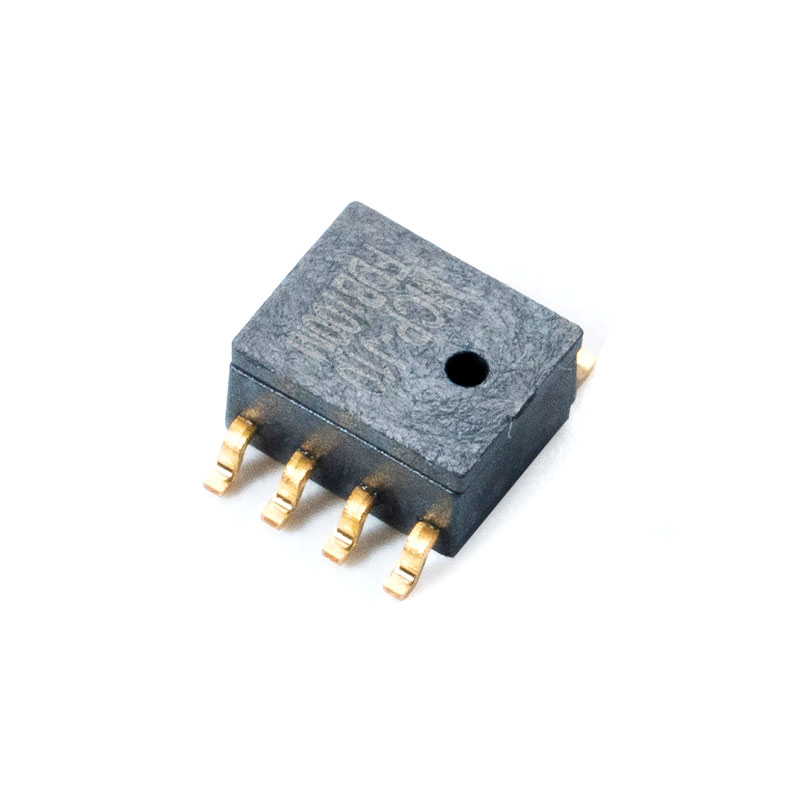
Before delving into the specific characteristics and applications of these sensor series, it is important to establish a clear understanding of what defines the MCPV5XXX and MCPV7XXX analog signal sensors. These sensors are monolithic silicon piezoresistive pressure transducers designed for a wide range of applications, particularly those employing a microcontroller or microprocessor with analog-to-digital inputs. The sensors combine advanced micromachining techniques, thin-film metallization, and bipolar processing to provide an accurate, high-level analog output signal that is proportional to the applied pressure.
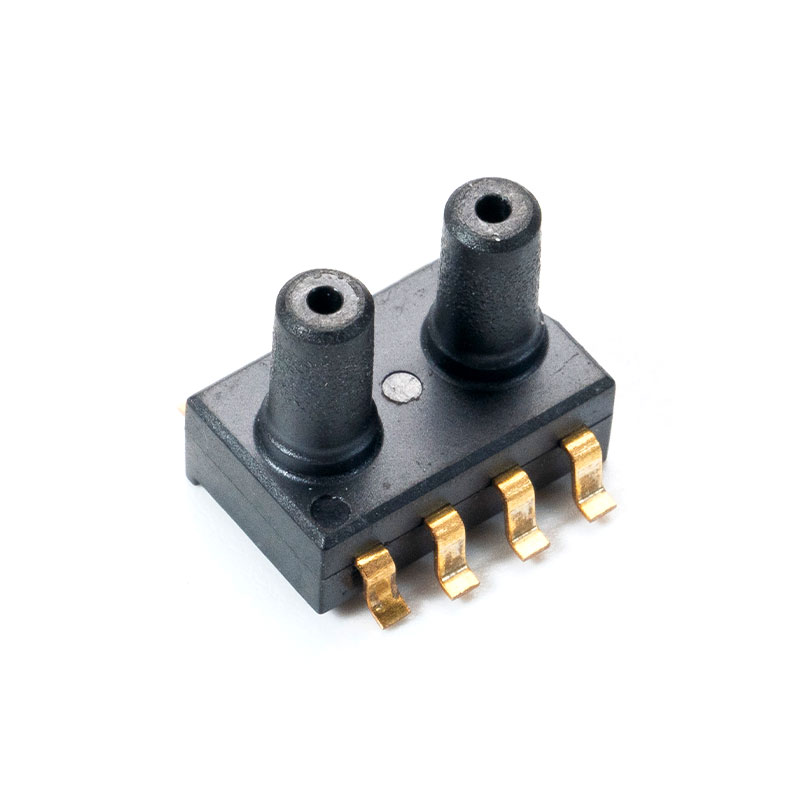
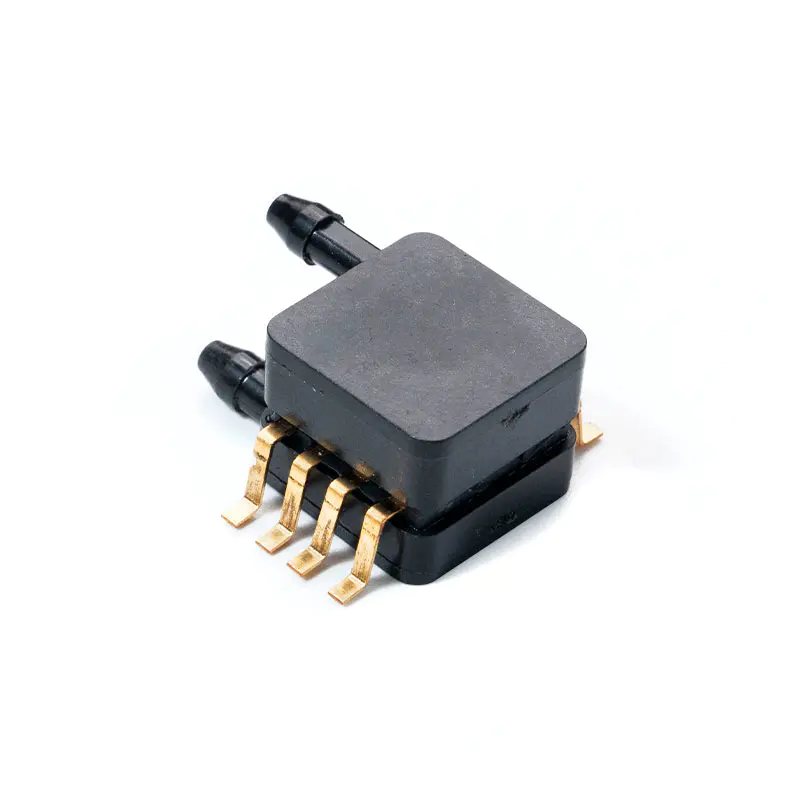
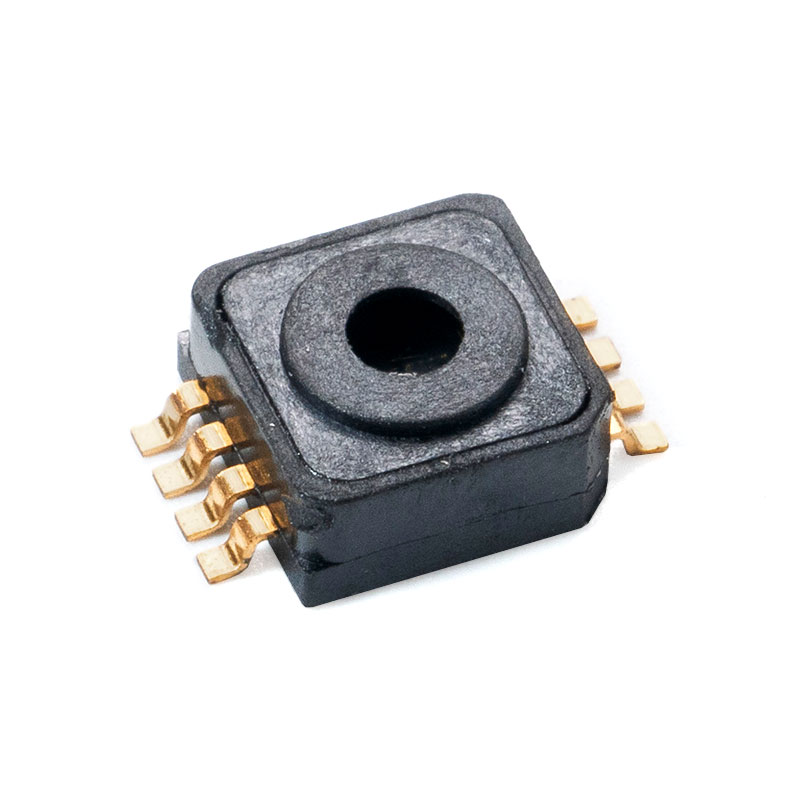
The "MCPV5XXX" and "MCPV7XXX" designations represent two series within the MCPV family of analog signal sensors. Both series are designed for low-pressure measurement applications, with pressure ranges typically spanning from -5 kPa to 100 kPa. The sensors are available in absolute, gauge, and differential pressure configurations, providing flexibility for a wide range of applications. The durable epoxy integrated encapsulated shell and high-temperature nylon air valve housing ensure reliable performance in demanding environments.
Compared to standard pressure sensors or discrete sensing solutions, the MCPV5XXX and MCPV7XXX analog signal sensors offer several distinct advantages. The integration of signal conditioning, temperature compensation, and calibration on a single chip simplifies system design and reduces component count. The analog output provides a direct, proportional signal that is easy to interface with microcontrollers and data acquisition systems. The advanced MEMS fabrication technology ensures consistent performance and reliability across a wide range of operating conditions.
2. Key Features and Technology
The performance of the MCPV5XXX and MCPV7XXX analog signal sensors is defined by a combination of advanced technologies and practical features that work together to provide reliable, accurate low-pressure measurement.
2.1 MEMS Piezoresistive Technology
At the heart of these sensors is MEMS piezoresistive technology. The sensing element consists of a silicon diaphragm with piezoresistors diffused into the surface. When pressure is applied to the diaphragm, it deflects, causing a change in resistance in the piezoresistors. This resistance change is proportional to the applied pressure and is converted into an electrical signal through an integrated Wheatstone bridge configuration. The MEMS fabrication process ensures high sensitivity, excellent linearity, and minimal hysteresis in the sensor output, making these sensors ideal for low-pressure measurement applications.
2.2 Integrated Signal Conditioning
The MCPV series sensors integrate signal conditioning circuitry on the same chip as the sensing element. This integration provides several significant advantages. The signal amplification increases the amplitude of the sensor output, providing a high-level analog voltage signal that is easy to interface with external circuits. The nonlinearity correction compensates for inherent nonlinearity in the piezoresistive response, ensuring accurate measurement across the full pressure range. The temperature compensation corrects for temperature-induced variations in the sensor output, ensuring accurate measurement across the operating temperature range of 10 to 60 degrees Celsius.
2.3 Multiple Pressure Types
The MCPV5XXX and MCPV7XXX sensors are available in three pressure types to suit different application requirements. Absolute pressure sensors provide an output proportional to the difference between the applied pressure and a built-in reference vacuum, making them ideal for applications where measurement must be independent of atmospheric pressure variations. Gauge pressure sensors provide an output proportional to the difference between the applied pressure and the atmospheric pressure, making them suitable for applications where pressure is measured relative to the environment. Differential pressure sensors allow the measurement of the pressure difference between two ports, enabling applications such as flow measurement and filter monitoring.
2.4 Wide Operating Temperature Range
The MCPV series sensors are designed to operate reliably across a wide temperature range. The operating temperature range extends to 85 degrees Celsius, ensuring performance in most industrial, medical, and consumer applications. The storage temperature range of -40 to +125 degrees Celsius provides robustness for manufacturing and storage conditions. Temperature compensation is provided over the +10 to +60 degrees Celsius range, ensuring accurate measurement in normal operating conditions.
3. Comparative Analysis: MCPV5XXX vs. MCPV7XXX vs. MCP5XXX Series
While all MCP series analog signal sensors serve the fundamental purpose of providing accurate pressure measurement, the distinct design features of the MCPV5XXX and MCPV7XXX series result in significant differences in capabilities and suitability for various applications, particularly when compared to the higher-pressure MCP5XXX series. The following table provides a direct comparison to guide engineers, system designers, and procurement specialists in selecting the appropriate sensor for their specific needs.
| Feature | MCPV5XXX/MCPV7XXX | MCP5XXX Series |
|---|---|---|
| Pressure Range | -5 kPa to 100 kPa | 0 kPa to 700 kPa |
| Primary Application | Low-pressure measurement, medical, HVAC | Higher-pressure industrial, automotive |
| Pressure Types | Absolute, Gauge, Differential | Absolute, Gauge, Differential |
| Supply Voltage | 5.0 V | 5.0 V |
| Accuracy | 0.025% VFSS (typical) | 2.5% VFSS |
| Sensitivity | 0.45 V/kPa | 45 mV/kPa |
| Temperature Compensation | 10°C to 60°C | 0°C to 85°C |
| Response Time | 2.5 ms | 1.0 ms |
| Ideal Applications | Medical monitors, respiratory equipment, barometric pressure, indoor air quality | Industrial process control, automotive, gas measurement |
The choice between the MCPV5XXX/MCPV7XXX series and the MCP5XXX series ultimately depends on the specific requirements of the application. If the primary need is for low-pressure measurement in the -5 kPa to 100 kPa range with higher accuracy and sensitivity, the MCPV5XXX/MCPV7XXX series is the ideal choice. For higher-pressure applications up to 700 kPa, the MCP5XXX series offers the necessary range.
4. Manufacturing Applications and Design Considerations
The applications for the MCPV5XXX and MCPV7XXX analog signal sensors are extensive, spanning multiple industries from medical technology and respiratory equipment to industrial automation and environmental monitoring.
4.1 Medical Applications
In the medical field, these sensors are used in a wide range of applications including patient monitors, anesthesia machines, blood analysis equipment, kidney dialysis machines, nebulizers, respiratory machines, sleep apnea equipment, spirometers, and ventilators. The high accuracy and sensitivity of the sensors make them ideal for precise medical measurements where patient safety depends on accurate pressure monitoring. The temperature compensation ensures reliable performance across clinical temperature ranges.
4.2 Respiratory and Ventilation Equipment
In respiratory and ventilation equipment, the MCPV series sensors are used for measuring airway pressure, flow, and volume. The differential pressure configuration enables accurate flow measurement, while the gauge pressure configuration provides precise airway pressure monitoring. The fast response time ensures real-time monitoring of respiratory parameters.
4.3 Industrial and Environmental Monitoring
In industrial and environmental applications, these sensors are used for barometric pressure measurement, indoor air quality monitoring, pneumatic controls, and pressure measurement in gas chromatography and gas measuring instruments. The absolute pressure configuration enables accurate barometric pressure measurement for weather monitoring and altimetry applications.
5. Sourcing and Quality Considerations for Exporters
For businesses involved in international trade and manufacturing, sourcing MCPV5XXX and MCPV7XXX analog signal sensors from a reliable supplier is paramount. Exporters should prioritize suppliers with a proven track record and established credentials, such as those with extensive industry experience, advanced manufacturing facilities, and comprehensive quality control systems.
Key quality parameters to consider when evaluating MCPV5XXX and MCPV7XXX analog signal sensors include:
- Accuracy: Verify that the sensor meets the specified accuracy requirements for the application, typically 0.025% VFSS.
- Pressure Range: Ensure that the sensor's pressure range covers the application requirements, from -5 kPa to 100 kPa.
- Pressure Type: Select the appropriate pressure type (absolute, gauge, or differential) based on the application requirements.
- Temperature Compensation: Ensure that the sensor provides adequate temperature compensation for the operating temperature range of 10 to 60 degrees Celsius.
- Response Time: Verify that the sensor's response time meets the application requirements, with a typical value of 2.5 ms.
- Certifications: Look for suppliers with relevant quality certifications, such as ISO 9001, which indicates a commitment to quality management systems.
6. Conclusion: The Value of Low-Pressure Analog Signal Sensors in Modern Measurement Systems
The MCPV5XXX and MCPV7XXX analog signal sensors represent a significant advancement in low-pressure sensing technology, delivering precision, versatility, and reliability in compact, easy-to-integrate packages. The combination of MEMS piezoresistive technology, integrated signal conditioning, and multiple pressure type options makes these sensors ideal for a wide range of applications, from medical devices and respiratory equipment to industrial automation and environmental monitoring.
For engineers, system designers, and procurement specialists, understanding the unique advantages and specifications of the MCPV5XXX and MCPV7XXX analog signal sensors is essential for informed component selection. By choosing high-quality sensors from a reputable supplier, businesses can ensure the accuracy, reliability, and performance of their measurement systems. Whether used for patient monitoring in a clinical setting, flow measurement in respiratory equipment, or barometric pressure measurement in environmental monitoring, these versatile sensors continue to prove their value in the global sensing industry.
7. Frequently Asked Questions
Q1: What is the pressure range of the MCPV5XXX and MCPV7XXX sensors?
The MCPV5XXX and MCPV7XXX sensors have an optional pressure range from -5 kPa to 100 kPa, making them ideal for low-pressure measurement applications such as medical devices, respiratory equipment, and environmental monitoring.
Q2: What pressure types are available in the MCPV series?
The MCPV5XXX and MCPV7XXX sensors are available in absolute, gauge, and differential pressure configurations. Absolute pressure sensors measure pressure relative to a vacuum reference. Gauge pressure sensors measure pressure relative to atmospheric pressure. Differential pressure sensors measure the pressure difference between two ports.
Q3: What is the typical accuracy of these sensors?
The MCPV5XXX and MCPV7XXX sensors typically provide 0.025% VFSS accuracy. This high accuracy makes them suitable for precision medical and industrial measurement applications.
Q4: What is the operating temperature range of these sensors?
The MCPV5XXX and MCPV7XXX sensors have an operating temperature range up to 85 degrees Celsius, with temperature compensation provided over the +10 to +60 degrees Celsius range. The storage temperature range is -40 to +125 degrees Celsius.
Q5: What is the typical response time of these sensors?
The MCPV5XXX and MCPV7XXX sensors have a typical response time of 2.5 milliseconds, making them suitable for real-time monitoring applications such as respiratory equipment and flow measurement.
8. References
1. MemsTech. (2026). MCPV5XXX, MCPV7XXX Analog Signal Sensor Product Specifications. MemsTech Product Catalog.
2. MemsTech. (2026). About Wuxi Mems Tech Co., Ltd. Company Profile.
3. MemsTech. (2026). News: MCP-H20 and MCP-H21 Pressure Sensor Series for Medical Applications. MemsTech Industry News.
4. International Organization for Standardization. (2022). ISO 9001: Quality Management Systems - Requirements. ISO Standards.
5. International Electrotechnical Commission. (2021). IEC 60747: Semiconductor Devices - Part 14: Semiconductor Sensors. IEC Standards.
6. American Society of Mechanical Engineers. (2023). ASME PTC 19.2: Pressure Measurement Instruments and Apparatus. ASME Standards.
7. Institute of Electrical and Electronics Engineers. (2022). IEEE 1451: Smart Transducer Interface for Sensors and Actuators. IEEE Standards.
8. Association for the Advancement of Medical Instrumentation. (2022). AAMI BP22: Blood Pressure Measuring Devices. AAMI Standards.

Mems Tech has specialized in the field of pressure sensors for over 14 years.
-
 [email protected]
-
 +86-18068257393
-
 50-1125 Zhongbang City Garden, No.2008 Taihu East Avenue, Xinwu District, Wuxi City, Jiangsu Province, China
Copyright © 2025 byWuxi Mems Tech Co., Ltd. Rights Reserved.
Custom MEMS Pressure Sensor Manufacturers
