

 English
 Français
 中文简体
MEMS Pressure Sensor for Medical Applications: Specs, Packaging and Supplier Checks
Date:2026-10-23
Content
- 1 What Separates a Medical-Grade MEMS Pressure Sensor From an Industrial One
- 2 Piezoresistive or Capacitive: Choosing the Sensing Element for Patient-Contact Devices
- 3 The Six Specifications That Decide Whether a Medical Design Passes Validation
- 4 Pressure Ranges in Medical Devices, and Why One Sensor Rarely Covers Them
- 5 Packaging, Sterilization and Biocompatibility: Where Medical Projects Fail
- 6 Qualifying a Supplier: Five Checks Before You Commit
- 7 How MemsTech Supports Medical Sensor Programs
- 8 Frequently Asked Questions on Medical Pressure Sensing
An occlusion alarm fires on a dialysis machine 40 minutes into treatment, and the fault trace ends at a sensor reading that has drifted 2 mmHg since calibration. In a ventilator, the same drift appears as a 15 mL tidal volume error, enough to change a patient's blood gas results. Both failures were decided months earlier, when an engineer picked a MEMS pressure sensor for medical applications from a datasheet that specified performance at a single reference temperature.
Medical pressure sensing is a systems problem, not a component purchase. The silicon sets the accuracy floor, but the package, the calibration data and the supplier's process control decide whether an instrument clears design validation. What follows covers the specifications that actually matter, the trade-offs between sensing technologies, and the qualification checks that separate a shippable design from a redesign six months before launch.
What Separates a Medical-Grade MEMS Pressure Sensor From an Industrial One
Three requirements separate a medical part from an industrial one: documented stability inside the clinical pressure band, a package qualified for a defined sterilization cycle, and calibration records that follow every lot out of the factory.
Industrial grade parts are usually quoted with a total error band near 1 percent of full scale span, often measured at one reference temperature. Clinical instruments rarely have that margin. Invasive blood pressure monitoring resolves roughly 1 mmHg inside a 300 mmHg span, about 0.33 percent of full scale, and the sensor must hold that resolution after warm up, after repeated sterilization and after a year in the field. Ventilator flow measurement is stricter in relative terms, because a 1 Pa offset at low flow becomes a visible tidal volume error.
The practical difference shows up in three places: the temperature span over which drift is specified, the calibration data shipped with each lot, and whether the package survives the sterilization method the device actually uses.
Piezoresistive or Capacitive: Choosing the Sensing Element for Patient-Contact Devices
Piezoresistive silicon is the default choice for most medical pressure measurements because it combines a linear output, low noise at low pressure and a package that isolates the diaphragm from blood, saline or airway condensate.
Capacitive elements take over below roughly 1 kPa, or when the power budget is measured in microwatts and the diaphragm can stay sealed behind a dry cavity. The cost is signal conditioning: capacitance has to be converted into a digital value, and that conversion is more sensitive to stray capacitance, humidity and board layout.
| Attribute | Piezoresistive | Capacitive |
| Signal source | Resistance change in a Wheatstone bridge | Capacitance change across a sealed cavity |
| Total error band | 0.2 to 1 percent of full scale | 0.1 to 0.5 percent of full scale |
| Sweet spot range | 1 kPa to 1 MPa | 10 Pa to 100 kPa |
| Signal conditioning | Instrumentation amplifier and ADC | Capacitance to digital converter |
| Thermal behaviour | Linear and predictable, easy to compensate | Small but non linear offset |
| Media isolation | Gel or silicone barrier | Sealed cavity, humidity sensitive |
| Typical medical use | Blood pressure, infusion, ventilation | Implantable and ultra low pressure devices |
Analog output
A ratiometric millivolt signal costs the least per channel and lets device firmware own the calibration. It suits designs that already carry a precision ADC, a stable reference and enough engineering time to characterise the analog front end over temperature.
Digital output
A factory-calibrated I2C or SPI part reports pressure directly in engineering units, removing an entire error budget and shortening end of line calibration. It fits multi-sensor instruments and any project where the firmware team is smaller than the analog team.
The Six Specifications That Decide Whether a Medical Design Passes Validation
Six numbers decide the outcome: total error band, thermal zero drift, long term stability, burst pressure, media compatibility and lot traceability. Everything else on a datasheet is context.
- Total error band across the full clinical temperature span, because the error that matters accumulates through warm up and sterilization.
- Thermal zero drift in percent of full scale per degree Celsius, since it repeats on every cycle the instrument runs.
- Long term stability quoted per year, because a slow 1 percent drift can consume the whole error budget before servicing.
- Burst pressure, normally three to five times full scale, which separates a compliant design from a field failure.
- Media compatibility: what touches the diaphragm, and whether the barrier is gel, silicone or a sealed cavity.
- Traceability: lot numbers, calibration certificates and a written change notification agreement.
Pressure Ranges in Medical Devices, and Why One Sensor Rarely Covers Them
Clinical pressure measurement spans four decades of range, from about 4 kPa in airway flow sensing to 100 kPa in infusion pump occlusion detection, so a single part number almost never covers a whole device platform.
Differential pressure parts do most of the low pressure work. A ventilator infers flow from the pressure drop across a known restriction, so the sensor measures a few hundred pascals while the circuit itself runs at several kilopascals. Dialysis machines use the same principle for transmembrane pressure. Differential pressure sensing therefore sets the resolution floor for the entire instrument, and it is the first place where an under-specified part becomes visible to clinicians.
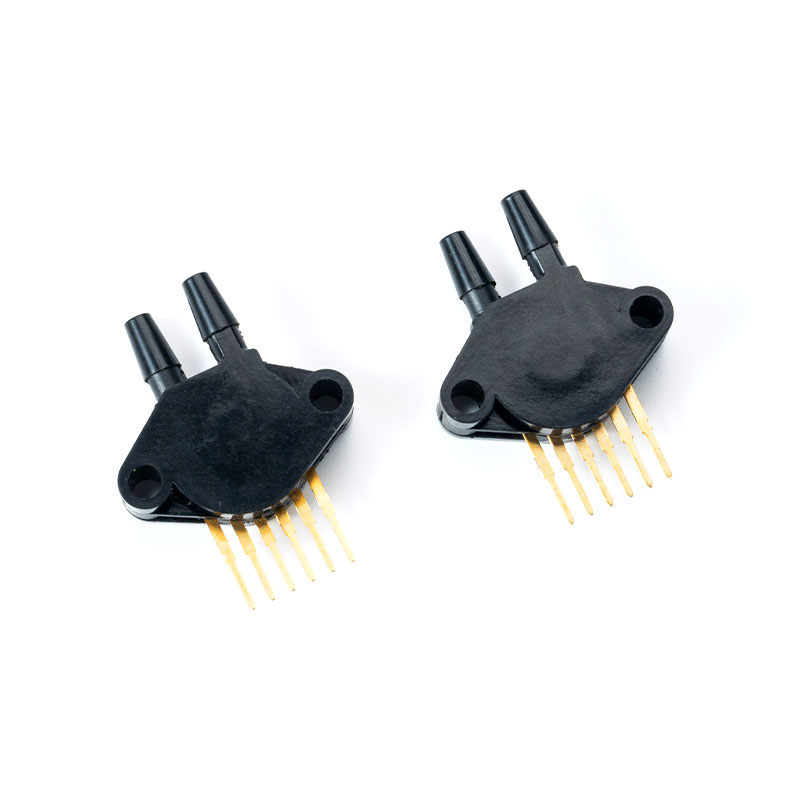 MCP5XXXDP Medical Differential Pressure Sensor with Analog OutputIntegrated signal conditioning and temperature compensation suit ventilator, dialysis, and other medical differential pressure designs where packaging and calibration matter.View Product →
Packaging, Sterilization and Biocompatibility: Where Medical Projects Fail
Packaging eliminates more candidates than electrical performance does. A part that reads perfectly on the bench and shifts 0.4 percent after three sterilization cycles has failed validation, not calibration.
Media isolation decides the rest. Blood contact requires an inert barrier, which in practice means a gel-filled or silicone-protected diaphragm and materials assessed under ISO 10993. Direct diaphragm contact stays acceptable for clean, dry gases such as the air path inside a ventilator, but not for saline, contrast media or cleaning agents. Steam exposure also raises humidity inside the package, so a part with a sealed cavity and no barrier can drift even when every other line on its datasheet looks excellent.
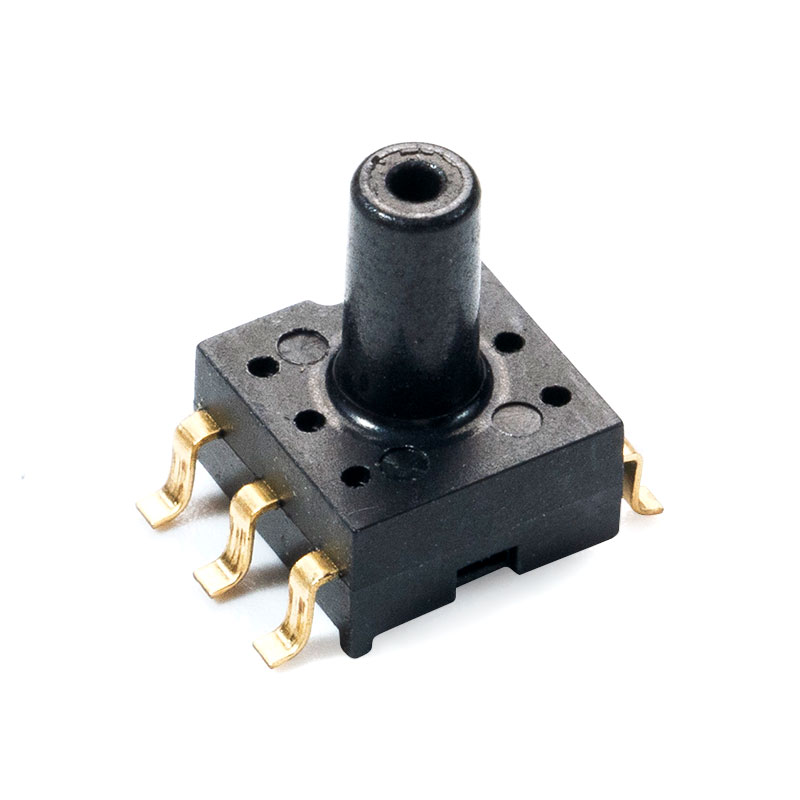 MCP-H10 and MCP-H11 Medical MEMS Pressure Sensor FamilyAnalog MCP-H10 and digital I²C MCP-H11 sensors suit medical and consumer pressure designs where media isolation and supplier qualification matter.View Product →
Qualifying a Supplier: Five Checks Before You Commit
Supplier qualification is cheaper than redesign. These five checks catch most of the risk before a purchase order is issued.
- Ask for the total error band across the full clinical temperature range, in writing. A datasheet quoting one reference temperature hides the drift that fails validation.
- Request lot-level calibration data. Zero and full scale records per lot let you demonstrate batch consistency during an audit instead of arguing about it.
- Test sterilization on production samples, not prototypes. Die attach and gel fill behave differently after a process transfer.
- Confirm where the packaging happens. Die attach, wire bonding, temperature compensation and calibration must be in house for drift to be controlled.
- Verify capacity and a second-source plan. The prototype-to-volume transition is where delivery risk concentrates.
How MemsTech Supports Medical Sensor Programs
Wuxi Mems Tech Co., Ltd., trading as MemsTech, builds medical MEMS pressure sensors as a manufacturer rather than a distributor, with packaging, temperature compensation and calibration performed in house at its Wuxi facility.
Every unit passes zero and full scale calibration, temperature drift testing and a long term stability check before shipment, and the production process follows ISO quality standards. The published accuracy ceiling is 0.2 percent of full scale, with stability quoted on a per year basis for devices that stay in service for years.
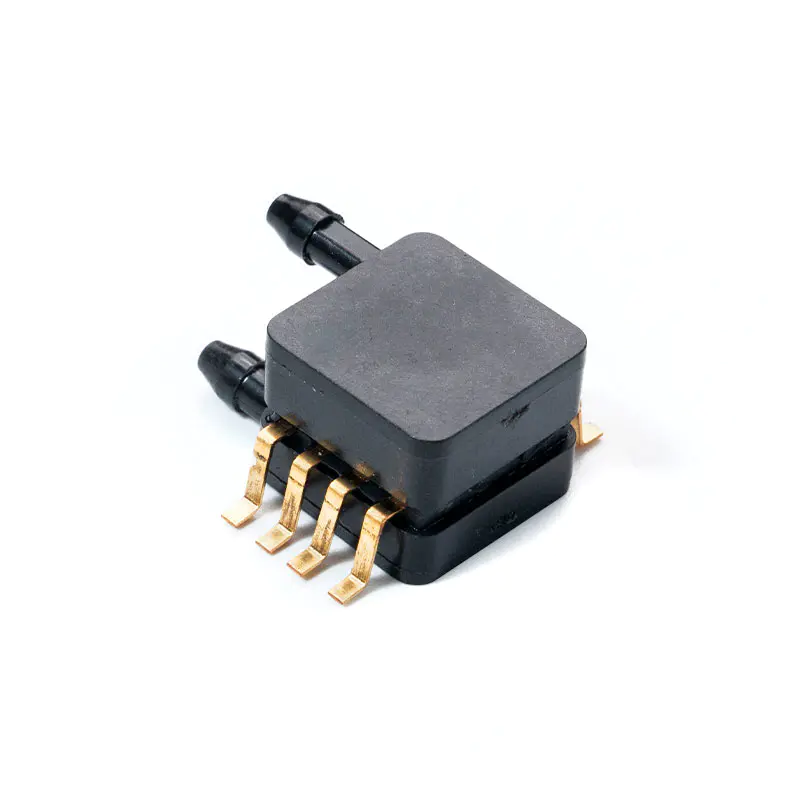
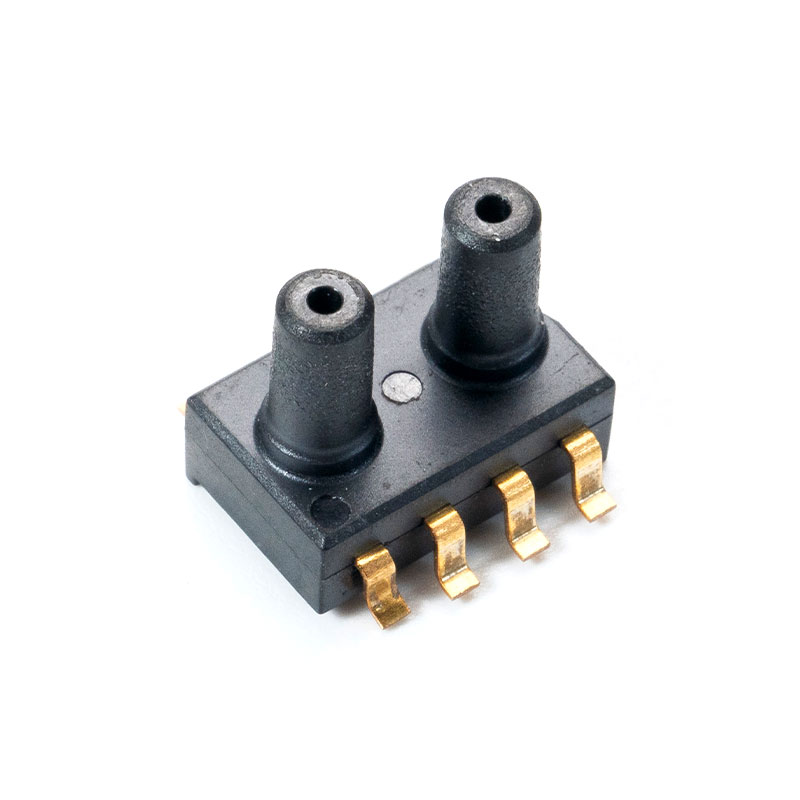
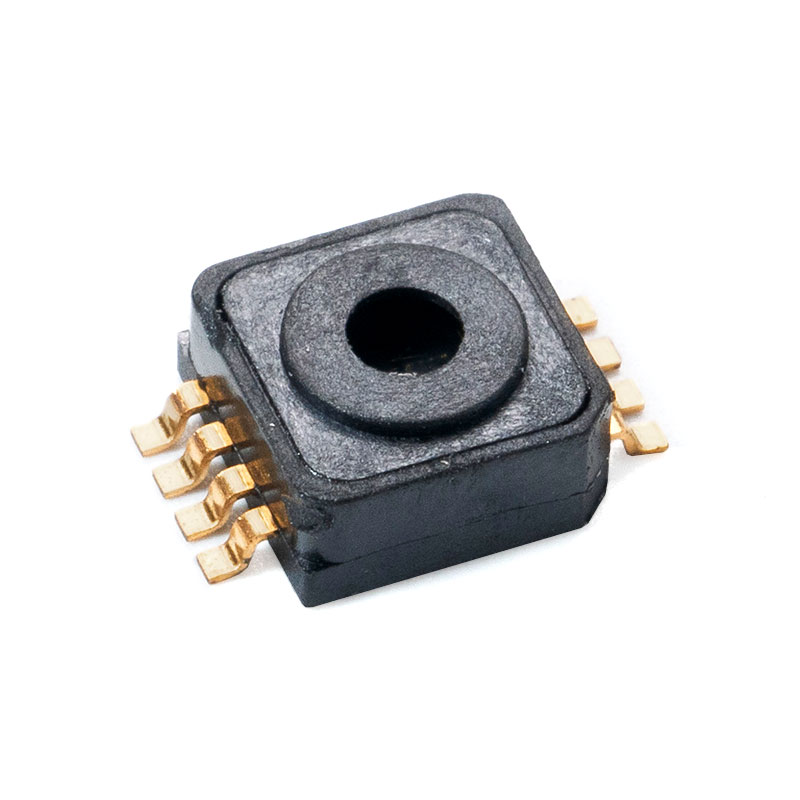
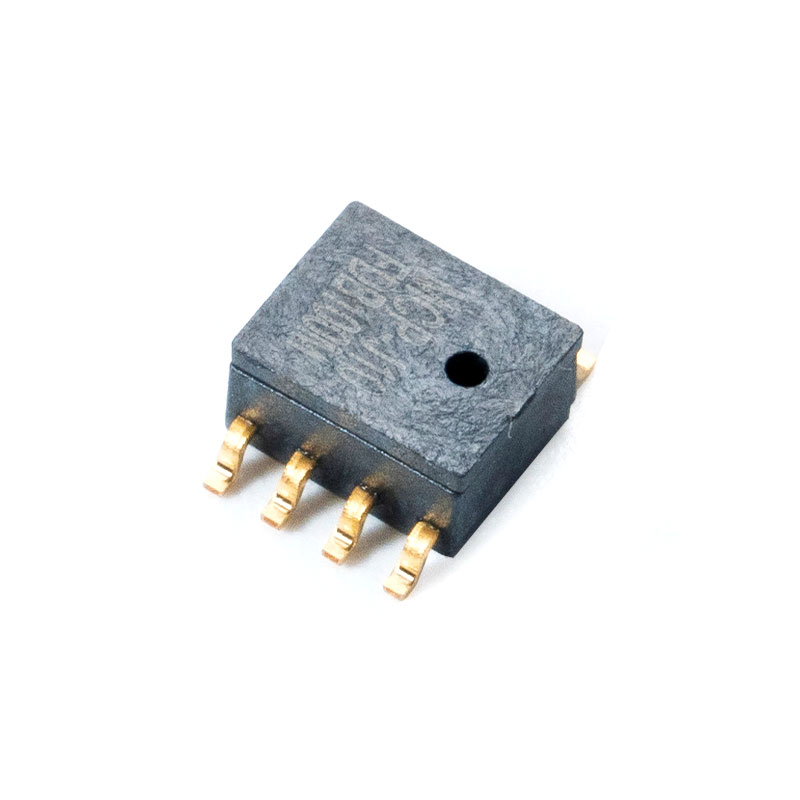
The medical range covers the MCP5xxx series for general pressure measurement, the MCPh10 and MCPh11 gauge sensors in surface mount packages, the MCPh20 and MCPh21 low pressure and differential parts, with MCPh21 also available as a digital signal sensor, and the MCPV5xxx and MCPV7xxx analog families. Outputs span ratiometric analog and calibrated digital, while packages cover surface mount and direct plug formats, which matters when one instrument platform needs a disposable version and a reusable version built from the same calibration family.
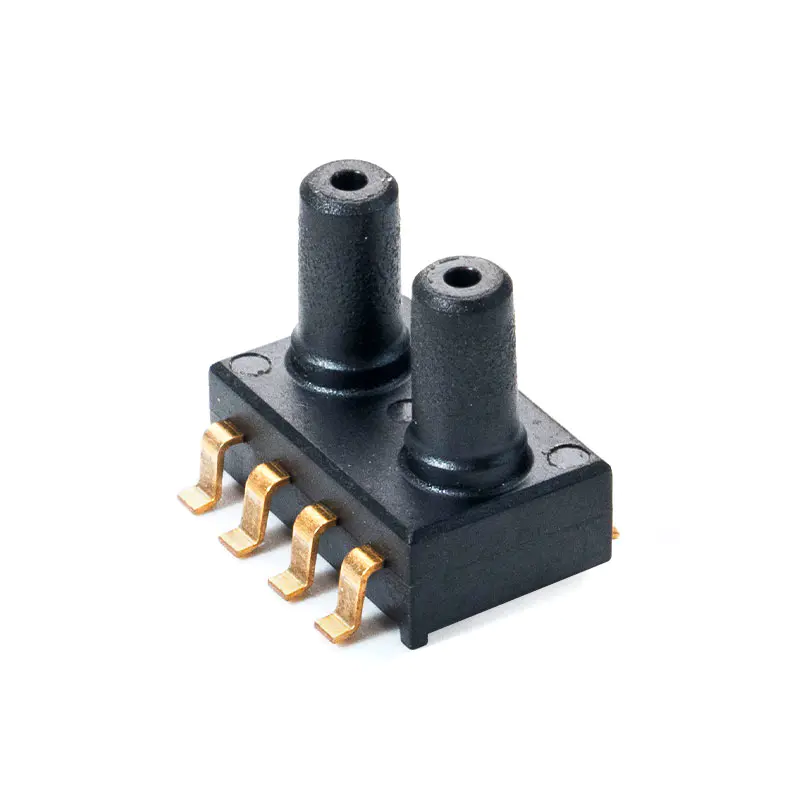 MCP-H20 and MCP-H21 Medical Differential Pressure SensorsAnalog dual-port MCP-H20 and 24-bit I²C MCP-H21 provide low-pressure differential sensing for airway, occlusion, and pneumatic measurement designs.View Product →
Frequently Asked Questions on Medical Pressure Sensing
What pressure range should a MEMS pressure sensor for medical applications cover?
Match the full scale to the clinical band and add headroom, not the other way round. Invasive blood pressure needs about 0 to 40 kPa, ventilator airway channels need roughly 0 to 4 kPa with pascal-level resolution, and infusion pump occlusion detection runs up to 100 kPa. Buying a 100 kPa part for a 4 kPa airway channel wastes most of the signal and hurts resolution.
Can a MEMS pressure sensor survive repeated autoclave cycles?
Yes, if the package is qualified for it. Steam sterilization at 134 degrees Celsius introduces both thermal stress and moisture, so the diaphragm, the barrier material and the die attach must be validated after the full cycle count the instrument is expected to see. Test on production samples and measure offset before and after every cycle.
Should a medical device use an analog or a digital pressure sensor?
Choose digital when end of line calibration time and firmware headcount are the constraint, because a factory-calibrated I2C or SPI output removes the analog error budget. Choose analog when the board already carries a precision ADC, the channel count is high and cost per channel dominates. Both options exist across the medical pressure range.
Medical pressure sensing rewards early, specific conversations with the manufacturer. Send the clinical range, the media and the sterilization method first, and part selection becomes a short list instead of a six month search.
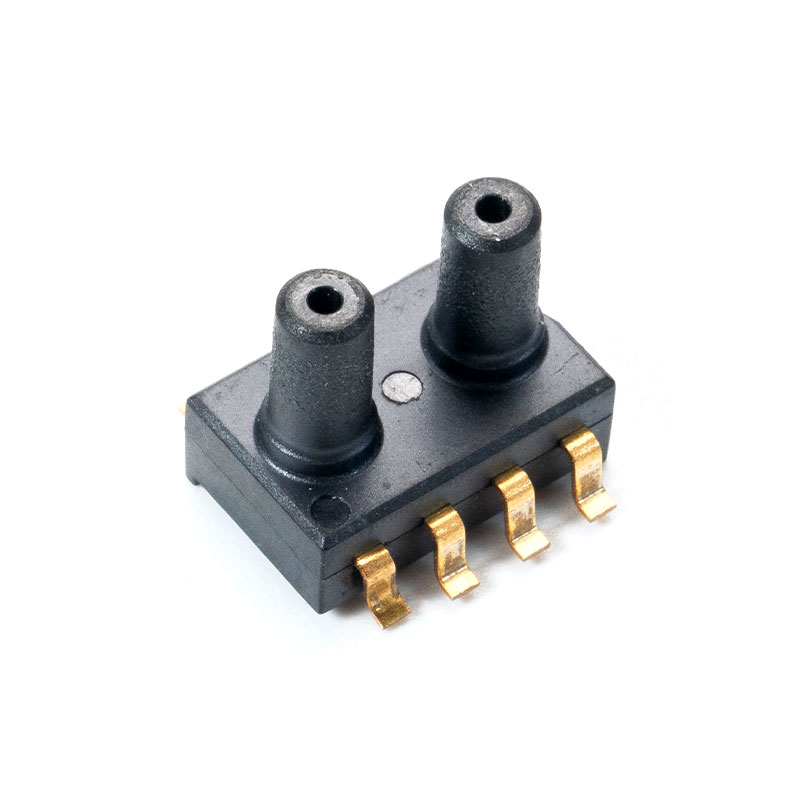

Mems Tech has specialized in the field of pressure sensors for over 14 years.
-
 [email protected]
-
 +86-18068257393
-
 50-1125 Zhongbang City Garden, No.2008 Taihu East Avenue, Xinwu District, Wuxi City, Jiangsu Province, China
Copyright © 2025 byWuxi Mems Tech Co., Ltd. Rights Reserved.
Custom MEMS Pressure Sensor Manufacturers
