

 English
 Français
 中文简体
中文简体MCP-J10, J11, J12 Absolute Pressure Sensor Series: A Comprehensive Technical and Application Analysis
Date:2026-06-21
Content
- 1 Understanding Absolute Pressure Sensors
- 2 Technical Specifications and Performance Characteristics
- 3 Design and Construction: Built for Reliability
- 4 Comparative Analysis: MCP-J10 Series vs. Conventional Pressure Sensors
- 5 Applications: From Automotive to Industrial Control
- 6 Quality and Manufacturing Standards
- 7 Conclusion: A Sensor Engineered for Performance and Reliability
- 8 Frequently Asked Questions (FAQs)
- 8.1 What is the key difference between an absolute pressure sensor and a gauge pressure sensor?
- 8.2 What does "MEMS" mean in the context of these pressure sensors?
- 8.3 What is the typical accuracy of the MCP-J10 series sensors?
- 8.4 What are the main applications for the MCP-J10 series sensors?
- 8.5 What makes the MCP-J10 series sensors particularly reliable?
- 9 References and Technical Literature
In the demanding world of industrial and automotive sensing, the accuracy and reliability of pressure measurement are paramount. The MCP-J10, J11, and J12 absolute pressure sensor series represents a significant advancement in MEMS-based pressure sensing technology. This article provides an in-depth technical analysis of these sensors, exploring their design, performance characteristics, and the distinct advantages they offer over conventional pressure sensing solutions.
Understanding Absolute Pressure Sensors
Absolute pressure sensors measure pressure relative to a perfect vacuum, as opposed to gauge pressure sensors, which measure pressure relative to atmospheric pressure. This fundamental difference makes absolute sensors indispensable for applications where atmospheric pressure fluctuations would introduce errors . The MCP-J10 series is specifically designed to provide precise absolute pressure measurements in a variety of demanding environments.
The core technology behind these sensors is MEMS, or Micro-Electro-Mechanical Systems. This technology integrates mechanical elements, sensors, actuators, and electronics on a common silicon substrate through microfabrication. The result is a miniature, high-performance sensor capable of delivering accurate and reliable pressure data in a compact form factor.
Technical Specifications and Performance Characteristics
The performance of the MCP-J10 series is defined by its precise technical specifications. The following table outlines the key parameters as detailed by the manufacturer.
| Parameter | Specification | Implication for Use |
|---|---|---|
| Pressure Range | 10 kPa to 1500 kPa (Optional) | Versatile range suitable for a wide spectrum of applications, from low-pressure industrial control to high-pressure automotive systems. |
| Accuracy | 2.5% maximum error over 0°C to 85°C | Excellent accuracy across a wide temperature range ensures reliable performance in various operating conditions. |
| Supply Voltage | 4.75 V to 5.25 V (Typical: 5.0 V) | Standard voltage range compatible with most microcontroller and microprocessor systems. |
| Output Type | Proportional/Absolute Analog Voltage Output (0 to 5V) | Simple, easy-to-integrate analog output that interfaces directly with standard data acquisition systems. |
| Operating Temperature | -40°C to +125°C | Wide operating temperature range suitable for harsh industrial and automotive environments. |
| Response Time | 2.5 ms (Typical) | Fast response time enables real-time monitoring and control in dynamic systems. |
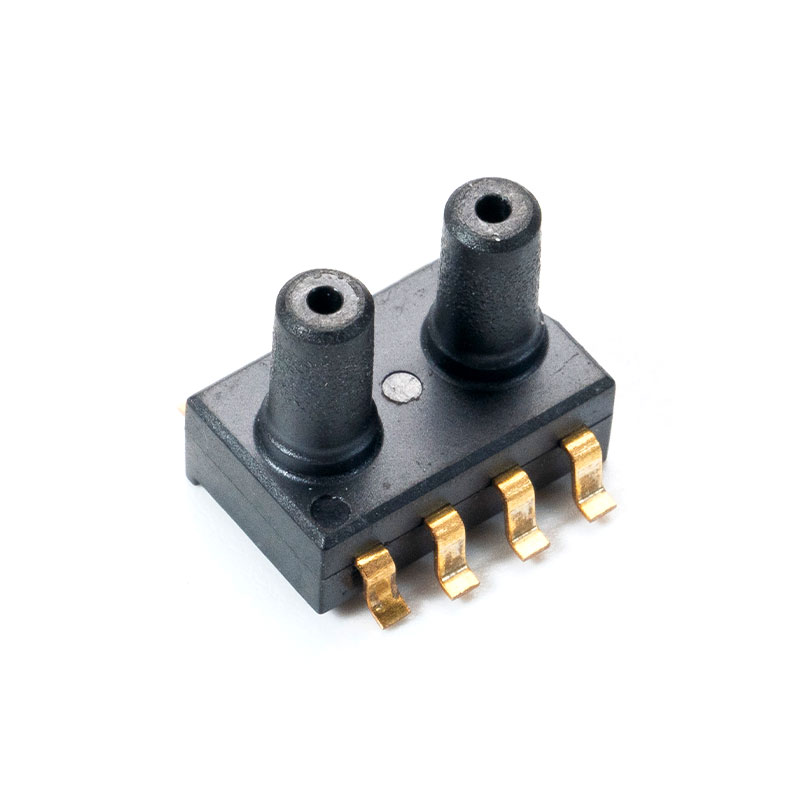
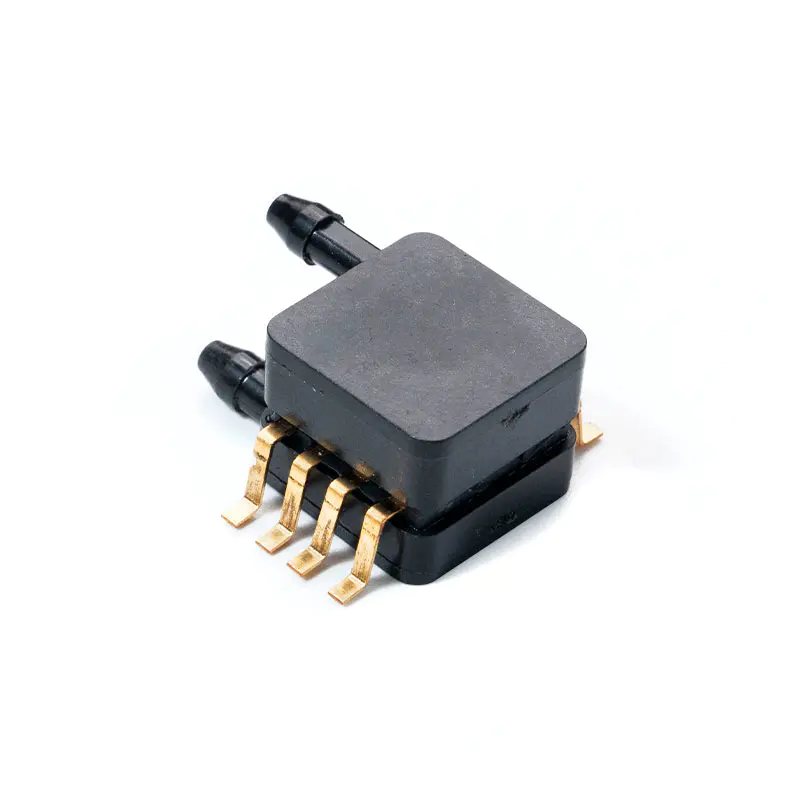
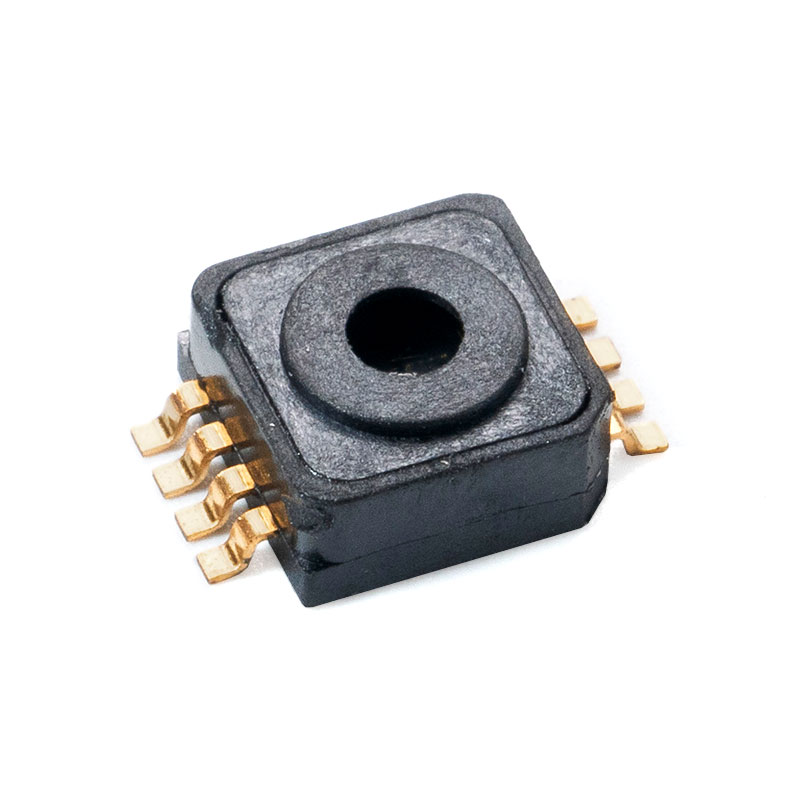
| Package Type | Subminiature Surface Mount | Compact design suitable for space-constrained applications, enabling high-density PCB integration. |
| ESD Susceptibility | 4 kV (HBM) | Good ESD protection enhances robustness and reliability in manufacturing and operation. |
Design and Construction: Built for Reliability
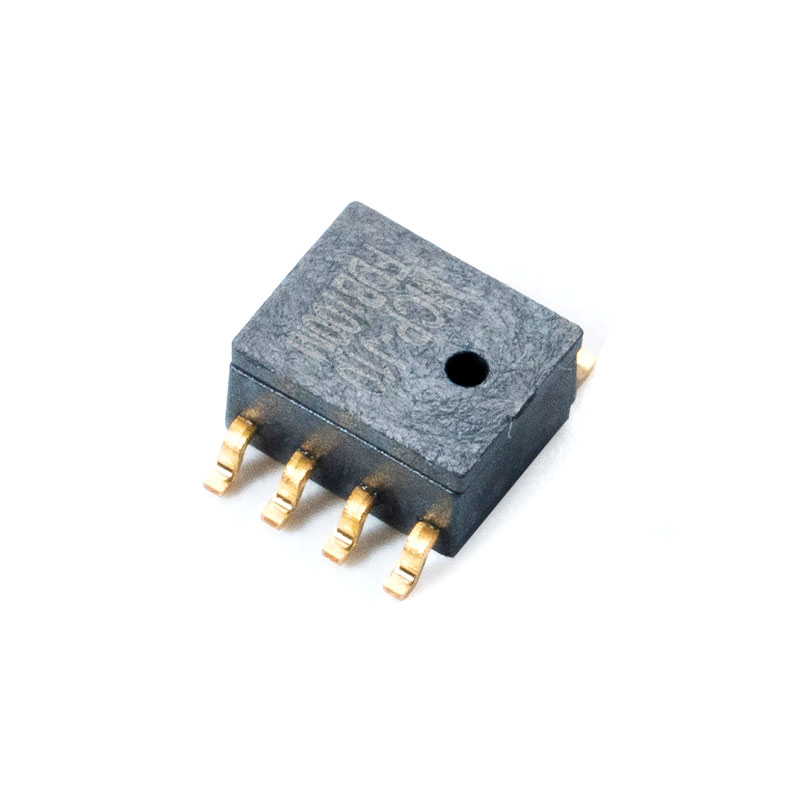
The MCP-J10 series is engineered with robust materials and construction methods to ensure long-term reliability in demanding applications. The sensor incorporates an automotive-grade signal conditioning chip that calibrates and compensates the MEMS output signal, converting pressure signals into a precise analog output . The integration of the MEMS sensor and the signal conditioning chip into a single package significantly reduces the overall size while maintaining excellent performance .
The structural integrity of the sensor is ensured through high-quality materials. The pressure-sensitive chip is made of silicon, offering excellent sensitivity and stability . Gold wire bonds provide reliable electrical connections, while the LCP (Liquid Crystal Polymer) package shell offers high mechanical strength and resistance to environmental factors . The pins are gold-plated copper, ensuring good conductivity and corrosion resistance . This combination of advanced design and premium materials results in a sensor that can withstand harsh conditions and deliver consistent performance over its lifespan.
Comparative Analysis: MCP-J10 Series vs. Conventional Pressure Sensors
To fully appreciate the value of the MCP-J10 series, it is helpful to compare it to other common pressure sensing technologies. The following table highlights its distinct advantages.
| Feature | MCP-J10 Series (MEMS-Based) | Conventional Piezoresistive | Capacitive Sensors |
|---|---|---|---|
| Size | Subminiature surface mount | Larger, often bulky | Medium to large size |
| Accuracy | 2.5% maximum error over 0°C to 85°C | Typically 1-5% full scale | Can be very high, but often requires complex signal conditioning |
| Temperature Range | -40°C to +125°C | Limited, often requires compensation | Can be wide, but performance often varies |
| Integration | Integrated signal conditioning chip | Requires external signal conditioning | Requires complex circuitry for measurement |
| Reliability | High (automotive-grade components) | Moderate, prone to drift | Can be susceptible to humidity and contamination |
| Cost-Effectiveness | High, due to integration and high-volume manufacturing | Moderate to high, depending on accuracy | Often more expensive due to complex manufacturing |
Applications: From Automotive to Industrial Control
The unique combination of properties in the MCP-J10 series makes it suitable for a wide range of applications across various industries. Its accuracy, reliability, and versatility open doors to diverse use cases.
- Automotive Applications: The sensor is ideally suited for manifold absolute pressure (MAP) measurement in automotive engines, enabling precise air-fuel ratio control for optimal performance and reduced emissions . It is also used in hybrid and new energy vehicles for vacuum power sensing and in CNG (Compressed Natural Gas) pressure detection .
- Industrial Control: The sensor's robust design and wide pressure range make it ideal for various industrial applications, including process control, HVAC systems, and pneumatic control systems .
- Motorcycle Pressure Application: The compact size and excellent performance of the sensor make it suitable for motorcycle engine management systems, contributing to improved fuel efficiency and performance.
- Consumer Electronics: The miniaturized package allows integration into portable devices for altitude measurement and other pressure-based functionalities.
For detailed product specifications and to explore this sensor's full potential, you can visit the MCP-J10, J11, J12 Absolute Pressure Sensor product page.
Quality and Manufacturing Standards
The MCP-J10 series is manufactured to the highest quality standards by a company specializing in the R&D, production, and sales of MEMS pressure sensors . The sensors are subjected to rigorous testing and calibration to ensure they meet the specified performance parameters. The company's commitment to quality is reflected in its use of automotive-grade components and its adherence to strict manufacturing processes. This ensures that each sensor delivers consistent, reliable performance, even in the most demanding environments.
Conclusion: A Sensor Engineered for Performance and Reliability
The MCP-J10, J11, and J12 absolute pressure sensor series represents a significant advancement in pressure sensing technology. Its compact design, high accuracy, and wide operating temperature range make it an ideal choice for a variety of automotive, industrial, and consumer applications. By integrating the MEMS sensor with advanced signal conditioning in a robust package, this sensor provides a reliable, cost-effective solution for engineers and system designers seeking high-performance pressure measurement. As the demand for accurate and reliable sensing continues to grow across industries, the MCP-J10 series is well-positioned to meet the challenges of the future.
Frequently Asked Questions (FAQs)
What is the key difference between an absolute pressure sensor and a gauge pressure sensor?
An absolute pressure sensor measures pressure relative to a perfect vacuum, providing a true pressure reading independent of atmospheric pressure fluctuations. A gauge pressure sensor measures pressure relative to the ambient atmospheric pressure.
What does "MEMS" mean in the context of these pressure sensors?
MEMS stands for Micro-Electro-Mechanical Systems. It refers to the technology used to manufacture the sensor, where mechanical and electrical components are integrated on a silicon substrate using microfabrication techniques. This enables the production of miniature, high-performance, and cost-effective sensors.
What is the typical accuracy of the MCP-J10 series sensors?
The MCP-J10 series sensors have a maximum error of 2.5% over a temperature range of 0°C to 85°C. This ensures reliable and accurate pressure measurements in a wide range of operating conditions.
What are the main applications for the MCP-J10 series sensors?
These sensors are used in various applications, including automotive manifold absolute pressure (MAP) measurement, industrial process control, motorcycle engine management, hybrid and electric vehicle vacuum power sensing, and CNG gas pressure detection.
What makes the MCP-J10 series sensors particularly reliable?
The sensors are designed with automotive-grade components and manufactured using high-quality materials like silicon for the sensing element, gold wire bonds for reliability, and LCP for the package housing. They also undergo rigorous testing and calibration to ensure consistent performance.
References and Technical Literature
- MemsTech. MCP-J10, J11, J12 Absolute pressure sensor. Product Datasheet.
- Mouser Electronics. Absolute Pressure Sensors. Product Overview.
- DigiKey. Pressure Sensors, Transducers - Absolute. Product Selection Guide.
- MEMS Journal. Automotive MEMS Sensors.
- IEEE Xplore. MEMS Pressure Sensors: Design and Applications.

Mems Tech has specialized in the field of pressure sensors for over 14 years.
-
 [email protected]
-
 +86-18068257393
-
 50-1125 Zhongbang City Garden, No.2008 Taihu East Avenue, Xinwu District, Wuxi City, Jiangsu Province, China
Copyright © 2025 byWuxi Mems Tech Co., Ltd. Rights Reserved.
Custom MEMS Pressure Sensor Manufacturers
