

 English
 Français
 中文简体
中文简体SOP vs DIP vs SIP Pressure Sensor Packages: A Practical Selection Guide for Engineers
Date:2026-08-17
Content
When a printed circuit board layout is nearly finished and the last component footprint still has to be chosen, the packaging of the pressure sensor often decides how much board space remains, which soldering process the line can use, and how the part will behave under vibration. The three most common board-level forms are SOP, DIP, and SIP. The practical conclusion up front: use SOP when board space and automated assembly dominate, and choose DIP or SIP when mechanical robustness, manual rework, or sealed through-hole joints matter more. The rest of this article explains why.
What SOP, DIP, and SIP Mean for Pressure Sensors
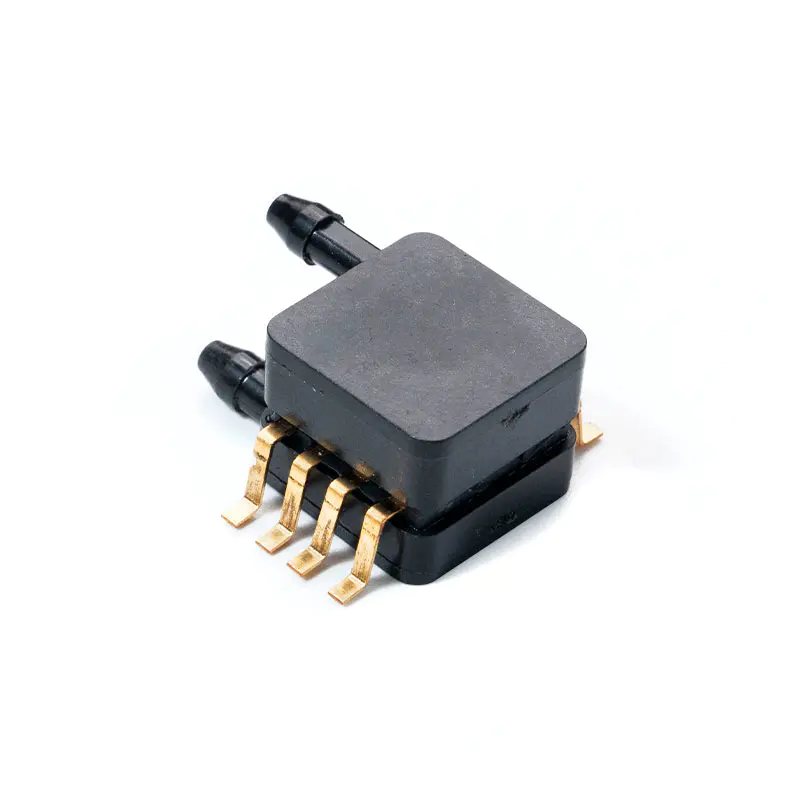
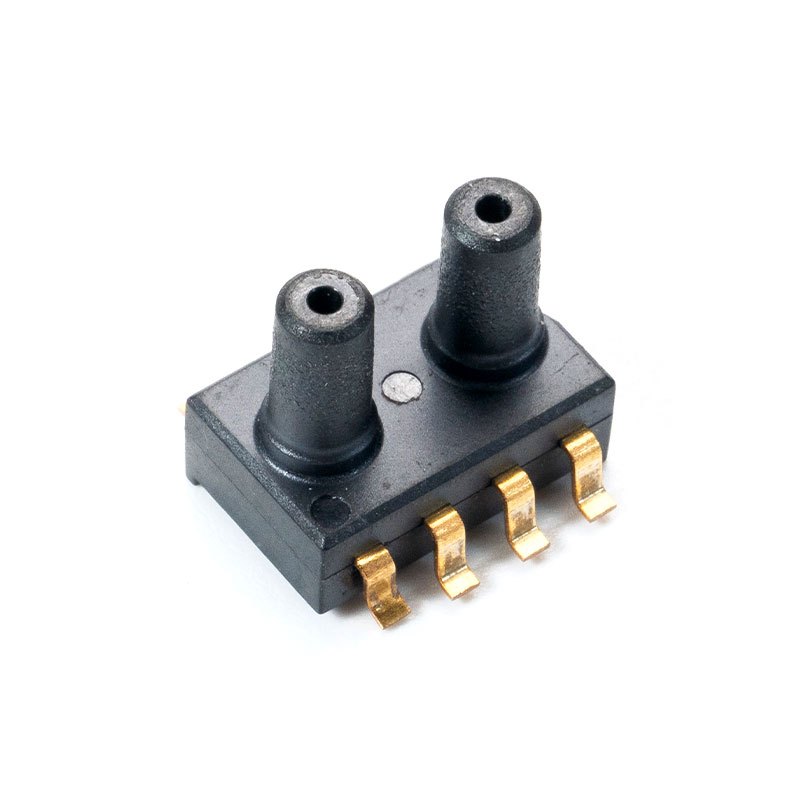
SOP (small outline package) is a surface-mount package with leads on two sides, soldered directly onto the PCB pads. DIP (dual in-line package) is a through-hole package with two rows of pins, and SIP (single in-line package) has one row of pins. DIP and SIP belong to the direct-plug family; DIP and SIP package options are still widely requested in automotive and industrial designs because the leads anchor the sensor mechanically to the board.
SOP and DIP/SIP also differ in how pressure is ported. SOP parts are normally built for dry, non-corrosive gases with a small pressure port or a bare die cavity. DIP and SIP versions often include a larger port or a rigid metal tube, which makes them easier to seal with tubing in medical and industrial modules. The same sensing element can often be offered in both formats, which is why you see the same series listed under different packaging categories.
How Package Choice Affects Board Design, Assembly, and Reliability
Footprint and layout
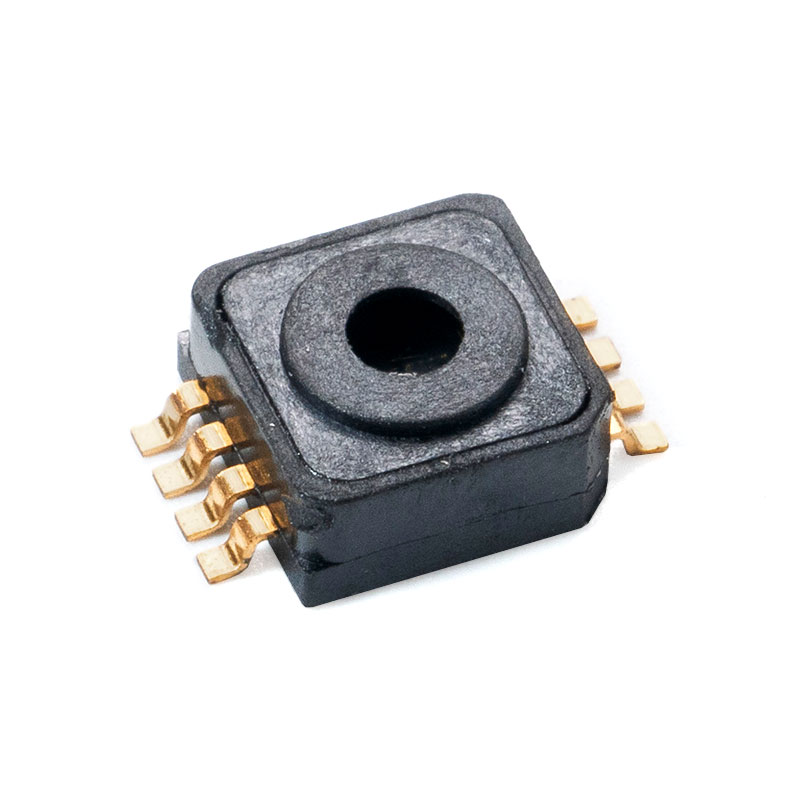
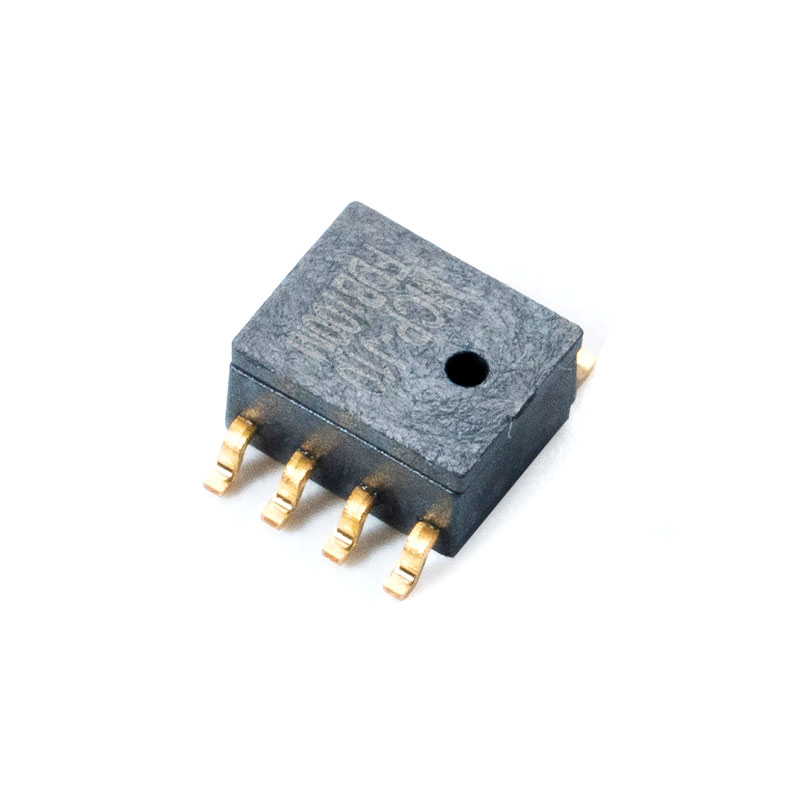
A typical SOP pressure sensor occupies roughly 30 to 50 percent less board area than an equivalent DIP part, because the leads do not require drilled holes and the body sits closer to the board. For compact designs such as wearable monitors, e-cigarette pressure switches, or drone altitude modules, this saving is decisive. The surface-mount package (SOP) range covers gauge and differential families that fit these applications.
Assembly and soldering
SOP parts are compatible with reflow soldering and can be placed by standard pick-and-place machines, which lowers assembly cost at volume. DIP and SIP parts require wave soldering or selective soldering, and their pin holes occupy both sides of the board. If your production line is already reflow-dominant, adding a single through-hole sensor can force an extra process step, so the total cost comparison should include the whole soldering flow.
Mechanical and thermal behavior
Through-hole packages generally survive higher mechanical shock and repeated vibration because the pins act as additional anchors. This is the main reason DIP and SIP remain common in engine-mounted or compressor-side pressure sensing. Thermally, the larger lead frame of a DIP/SIP part can conduct heat away from the die, but in practice the sensing element, not the package, sets the operating range. What matters more is that the package material and sealing compound are rated for the media temperature.
Where Each Package Type Performs Best
Application fit can be summarized with the following comparison:
| Package | Best-fit use cases | Key advantage | Typical limitation |
|---|---|---|---|
| SOP | Consumer electronics, wearables, drones, compact medical modules | Small footprint, reflow-compatible, low assembly cost | Less robust under high vibration; often limited to dry media |
| DIP | Automotive, industrial control, lab instruments | Strong mechanical anchoring, easier manual prototyping | Larger footprint, wave soldering needed |
| SIP | Single-row board edges, retrofit designs, pressure switch modules | Narrow layout, simple hand assembly | Mechanical stability depends on edge support; fewer pin options |
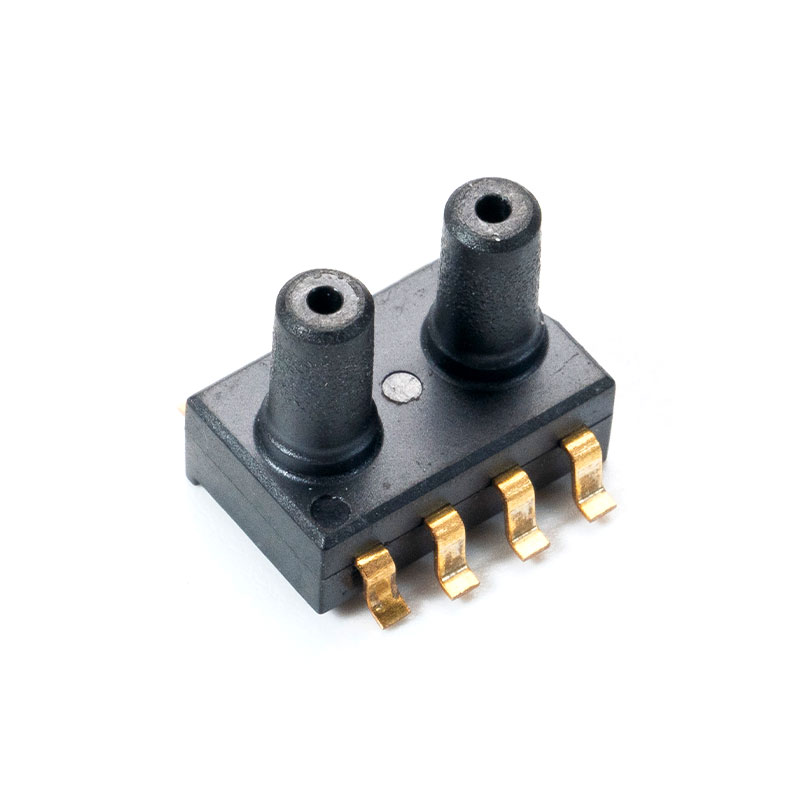
In medical equipment, the priority is usually long-term stability and clean sealing, and both SOP and DIP versions are used depending on the PCB layout. A common choice is the surface-mount MCPh10 and MCPh11 gauge pressure sensors, which fit ventilator, infusion pump, and patient monitor boards where space is tight. For differential or low-pressure monitoring in respiratory and sleep therapy devices, the MCPh20 and MCPh21 SOP differential pressure sensors bring a digital output option that simplifies interface design.
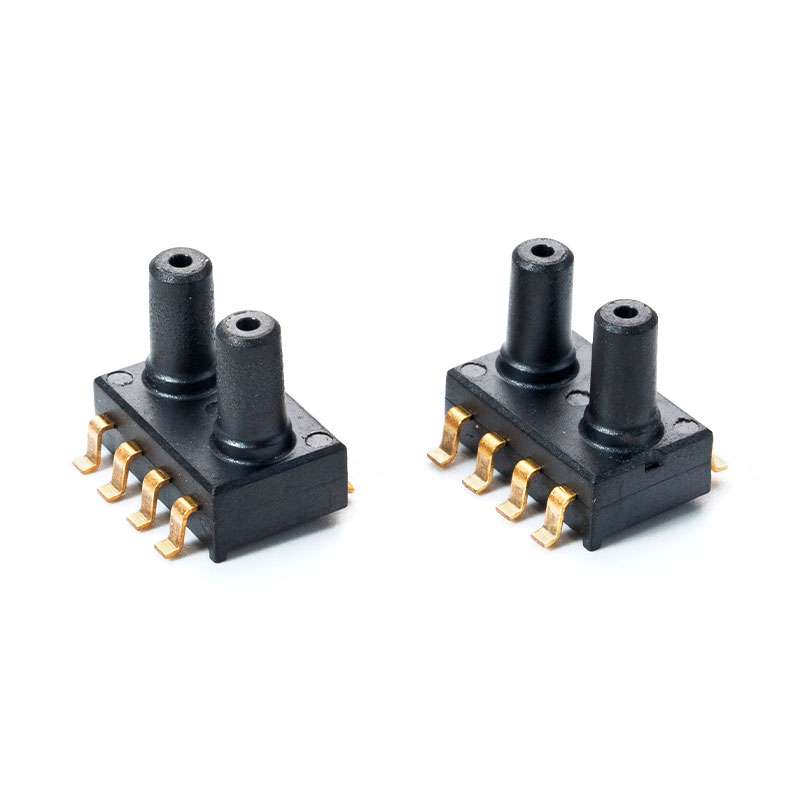 Wholesale MCP-H20, MCP-H21 Surface mount package SOP Suppliers, FactoryWuxi Mems Tech Co., Ltd. Is a China wholesale MCP-H20, MCP-H21 Surface mount package SOP Suppliers, factory,DESCRIPTION The MCP-H20 serie...View Product →
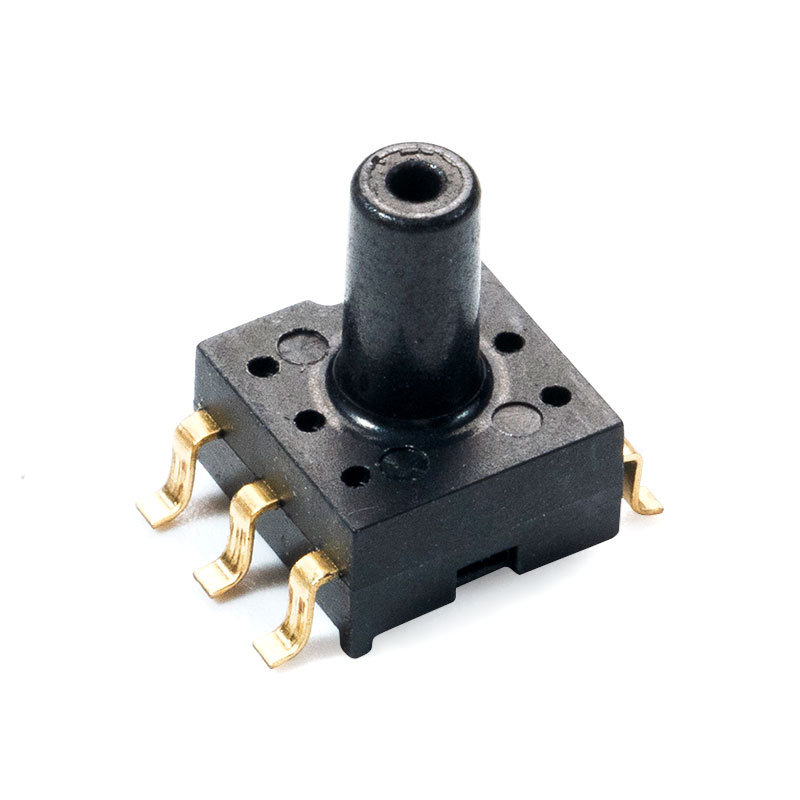 Wholesale MCP-H10, MCP-H11 Surface mount package SOP Suppliers, FactoryWuxi Mems Tech Co., Ltd. Is a China wholesale MCP-H10, MCP-H11 Surface mount package SOP Suppliers, factory,General Description The MCP-H...View Product →
On the through-hole side, the MCP5xxx direct-plug DIP/SIP pressure sensors are a frequent starting point when the board must survive rough handling or when the engineering team wants to socket the sensor for quick evaluation. Their larger body also gives more room for a robust media port, which is why direct-plug parts still show up in industrial and laboratory prototypes.
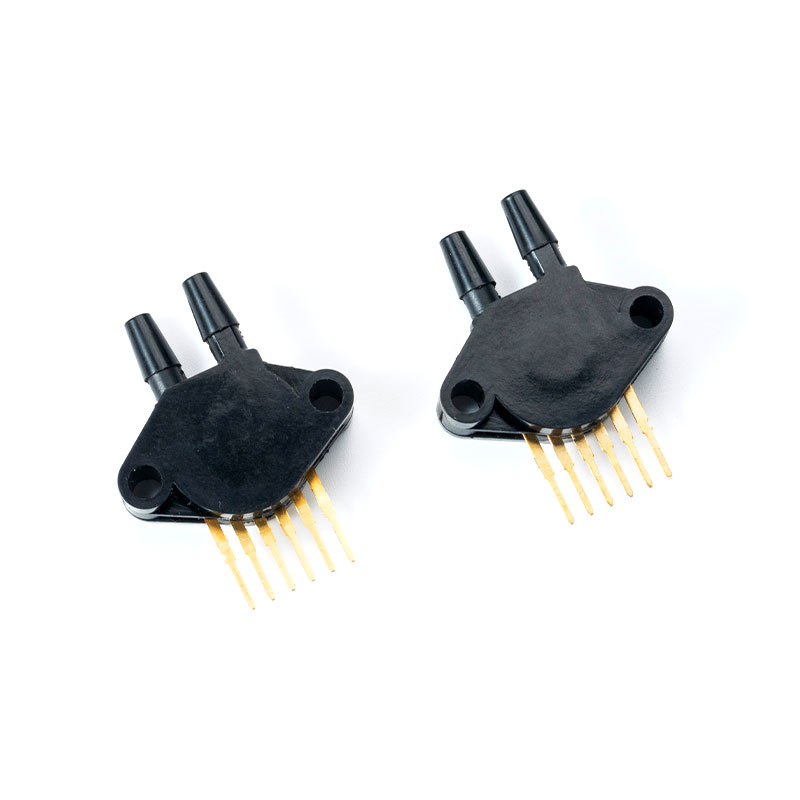 Wholesale MCP5XXX Direct plug package DIP/SIP Suppliers, FactoryWuxi Mems Tech Co., Ltd. Is a China wholesale MCP5XXX Direct plug package DIP/SIP Suppliers, factory,The MCPV5XXXDP series has an integra...View Product →
Selection Checklist for SOP, DIP, and SIP Sensors
Before requesting a quote, compare the three packages against concrete criteria rather than habit. The checklist below covers the decisions that most often change after the first prototype:
- Board area available: if the sensor cannot fit within the reserved keep-out, the whole layout changes; measure the package body plus port clearance.
- Assembly process: confirm whether the line supports reflow, wave, or selective soldering for this one component.
- Media and pressure range: verify the package sealing and port style against your pressure media and overpressure requirement.
- Output interface: analog millivolt output requires signal conditioning near the sensor, while digital I2C or SPI outputs move that work to the MCU.
- Calibration and traceability: check whether the supplier performs zero/span calibration, temperature compensation, and stability testing before shipment.
Each item on the list maps to a measurable specification. For example, if the chosen package has no pin for a shield connection but your board already routes a guard ring, the extra capacitance may require a layout revision. Small details like these explain why package selection is normally done together with the schematic review.
Working with a Manufacturer That Controls the Full Flow
Package choice does not end with the datasheet drawing. The manufacturing quality of the molded housing, the wire bonding, and the calibration process all influence how the finished sensor behaves. A manufacturer that runs its own packaging, welding, temperature compensation, and calibration line can keep part-to-part variation under control and delivers a consistent component for volume production.
For a deeper technical background on sensing principles and performance parameters, the guide to MEMS pressure sensor technology explains the underlying piezoresistive sensing and signal conditioning in more detail.
The final recommendation is straightforward. If the PCB is dense, the assembly line is reflow-based, and the vibration environment is moderate, select an SOP pressure sensor and keep the layout compact. If the product must tolerate rough handling, frequent maintenance, or a sealed through-hole connection, select a DIP or SIP direct-plug package. In both cases, ask the supplier for the exact package drawing, the port orientation, and the calibration data of the specific part number before freezing the design.

Mems Tech has specialized in the field of pressure sensors for over 14 years.
-
 [email protected]
-
 +86-18068257393
-
 50-1125 Zhongbang City Garden, No.2008 Taihu East Avenue, Xinwu District, Wuxi City, Jiangsu Province, China
Copyright © 2025 byWuxi Mems Tech Co., Ltd. Rights Reserved.
Custom MEMS Pressure Sensor Manufacturers
