

 English
 Français
 中文简体
中文简体Biomechanical Analysis and Electrical Isolation of Medical Pressure Sensing Assemblies
Date:2026-05-26
Content
Dielectric Strength and Patient Protection under IEC 60601-1
1. The integration of a Pressure sensor medical component into patient-connected equipment necessitates strict adherence to Means of Patient Protection (MOPP) as defined by international safety standards.
2. When evaluating how IEC 60601-1 ensures patient safety in pressure sensors, engineers prioritize dielectric isolation, ensuring the sensor housing can withstand a high-potential test (Hi-Pot) of at least 1500V AC.
3. Minimizing leakage current in medical pressure sensors is a critical engineering constraint; for Type CF applied parts, the maximum allowable leakage current under single fault conditions is limited to 10 microamperes to prevent cardiac microshock.
4. Implementing a defibrillation-proof pressure sensor medical interface requires localized protection circuitry to ensure the sensing element remains operational after the application of a 5kV discharge pulse.
Biocompatibility Standards and Media Isolation Materials
1. For disposable pressure sensor medical applications, such as invasive blood pressure (IBP) monitoring, the wetted materials must comply with ISO 10993-1 for hemocompatibility and non-toxicity.
2. In a comparison of biocompatible polymers for medical sensors, medical-grade polycarbonate and USP Class VI silicone are frequently utilized due to their low leachability and resistance to EtO sterilization.
3. The impact of EtO sterilization on pressure sensor accuracy is mitigated by selecting diaphragm materials with high thermal stability, preventing zero-point drift during the 50 degree Celsius gas exposure cycle.
4. Material Compatibility Data:
| Testing Parameter | Polycarbonate (Medical Grade) | 316L Stainless Steel (Passivated) |
| Cytotoxicity (ISO 10993-5) | Non-toxic | Non-toxic |
| Surface Roughness (Ra) | 0.4 - 0.8 micrometers | < 0.4 micrometers |
| Corrosion Resistance | Excellent (Saline) | High (Chemical Resistant) |
| Sterilization Methods | EtO, Gamma | Autoclave, EtO, CIDEX |
Dynamic Response Optimization and Frequency Spectrum Fidelity
1. To ensure the dynamic response of medical pressure sensors accurately captures the dP/dt of a cardiac cycle, the resonant frequency of the sensor-tubing-catheter system must exceed 20 Hz.
2. The optimal resonant frequency for invasive blood pressure sensors is typically targeted at 30 to 40 Hz to avoid signal damping or "ringing" artifacts that could lead to false systolic/diastolic readings.
3. Reducing signal noise in ICU medical pressure sensors involves the use of electromagnetic shielding (EMI/RFI) to prevent interference from ventilators and infusion pumps, adhering to IEC 60601-1-2 electromagnetic compatibility requirements.
4. Analyzing analog vs digital pressure sensor medical outputs, digital I2C or SPI interfaces offer superior signal integrity for integration into multiparameter bedside monitors by eliminating analog voltage drops.
Structural Integrity and Calibration Stability in Continuous Care
1. The zero-point drift of medical sensors in dialysis equipment must be maintained within +/- 1 mmHg over an 8-hour treatment window to ensure accurate fluid balance management.
2. For high-accuracy pressure sensor medical devices, the Total Error Band (TEB) accounts for hysteresis and non-linearity, providing a terminal-based accuracy of +/- 1.0 percent of the full-scale output.
3. Verifying the burst pressure of medical grade sensors is a mandatory safety protocol; components must withstand at least 300 percent of their nominal pressure range (typically 3000 mmHg) to prevent fluid leakage during accidental occlusion.
Hardcore FAQ
1. Why is Type CF protection necessary for blood pressure sensors?
Because the sensor has direct contact with the heart or vascular system through a fluid column, where even extremely low currents (microamperes) can cause ventricular fibrillation.
2. Can disposable medical sensors be re-sterilized?
No. Most are designed for single-use to prevent cross-contamination and because the calibration stability of the low-cost polycarbonate housing may degrade during a second sterilization cycle.
3. How is the "zeroing" procedure performed in clinical settings?
A three-way stopcock is opened to atmosphere at the level of the patient's right atrium, allowing the monitor to tare the atmospheric pressure offset of the sealed gauge sensor.
4. What is the difference between a gauge and absolute medical pressure sensor?
Medical applications almost exclusively use gauge sensors to compensate for local barometric changes, ensuring the pressure reading is relative to the patient's environment.
5. Does the presence of air bubbles affect the sensor reading?
Yes. Air is compressible and significantly reduces the resonant frequency of the fluid column, causing "damped" waveforms and underestimating systolic pressure.
Technical References
1. IEC 60601-1: Medical electrical equipment - General requirements for basic safety and essential performance.
2. ISO 10993-1: Biological evaluation of medical devices - Evaluation and testing within a risk management process.
3. AAMI BP22: Blood pressure transducers (standard for performance and safety).
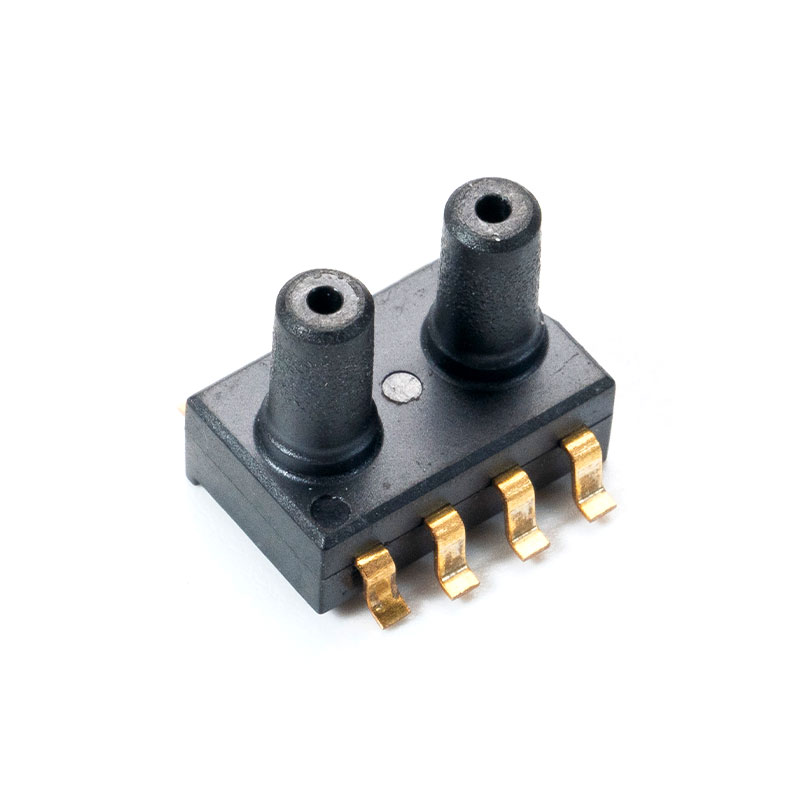
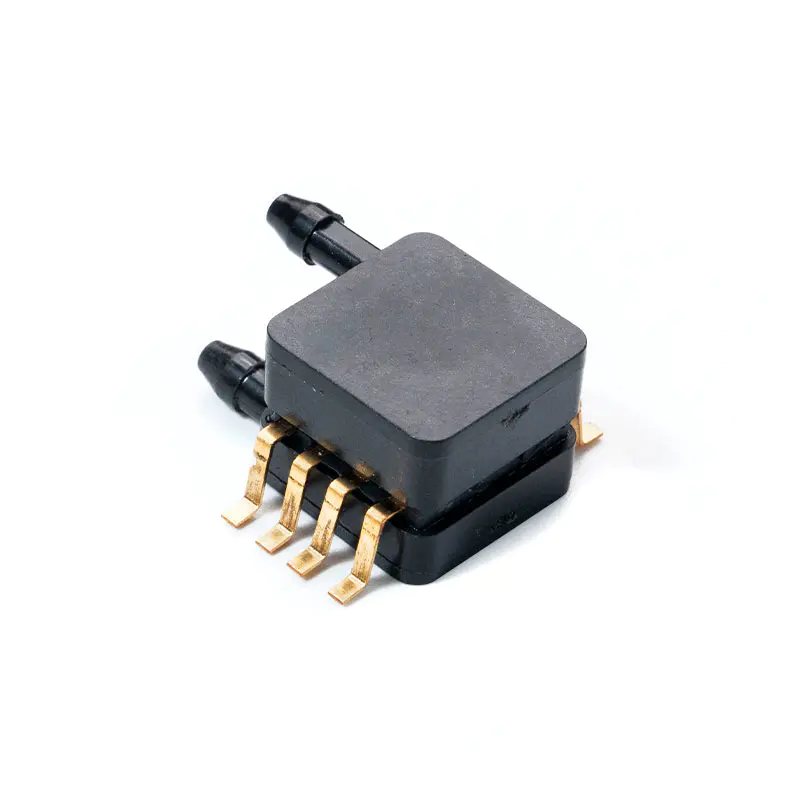
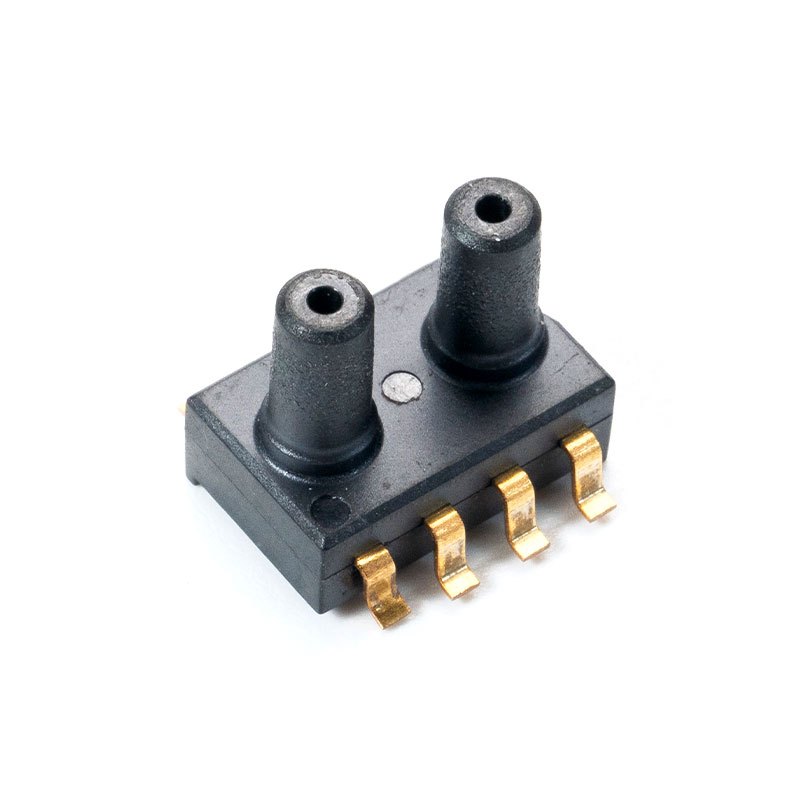
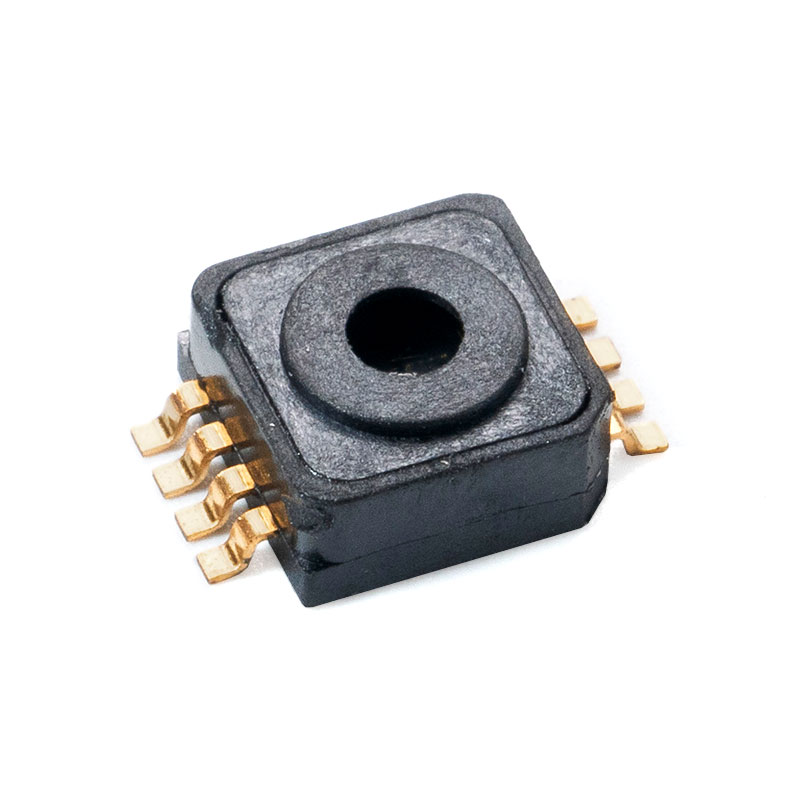

Mems Tech has specialized in the field of pressure sensors for over 14 years.
-
 [email protected]
-
 +86-18068257393
-
 50-1125 Zhongbang City Garden, No.2008 Taihu East Avenue, Xinwu District, Wuxi City, Jiangsu Province, China
Copyright © 2025 byWuxi Mems Tech Co., Ltd. Rights Reserved.
Custom MEMS Pressure Sensor Manufacturers
