

 English
 Français
 中文简体
中文简体Pressure sensor for industrial Manufacturers
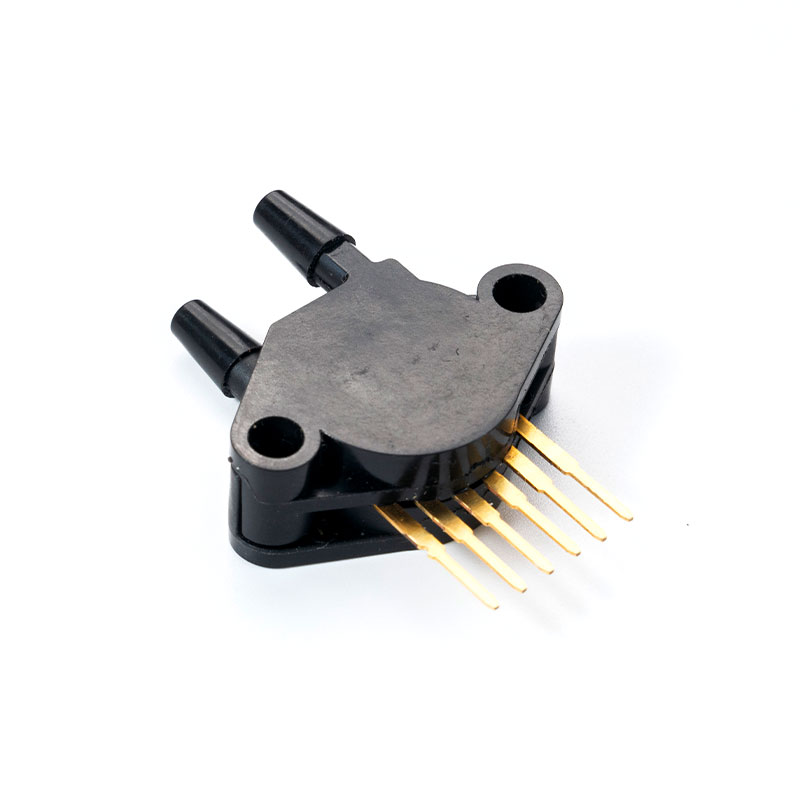
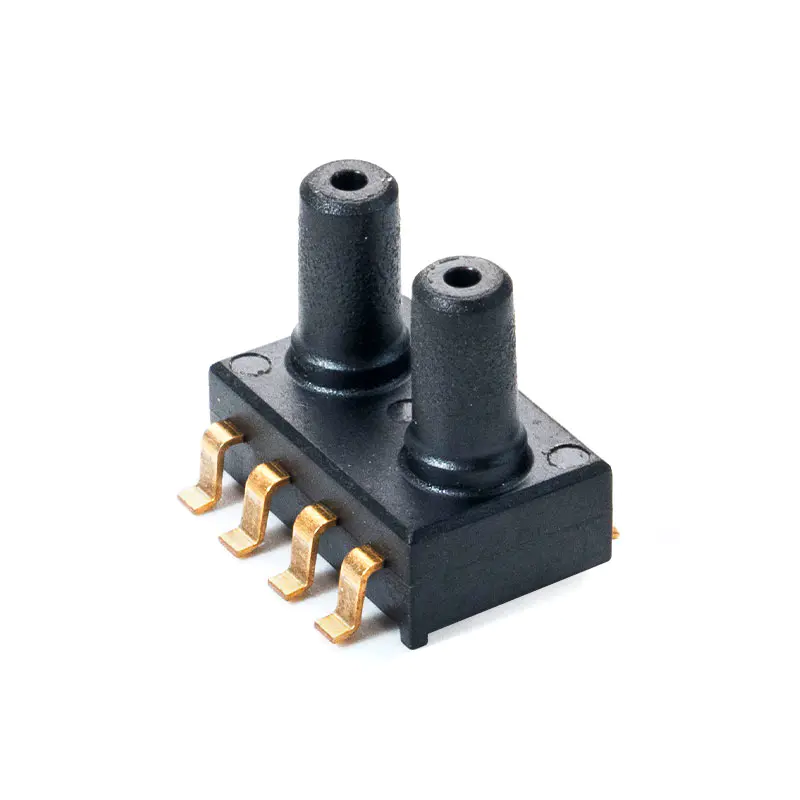
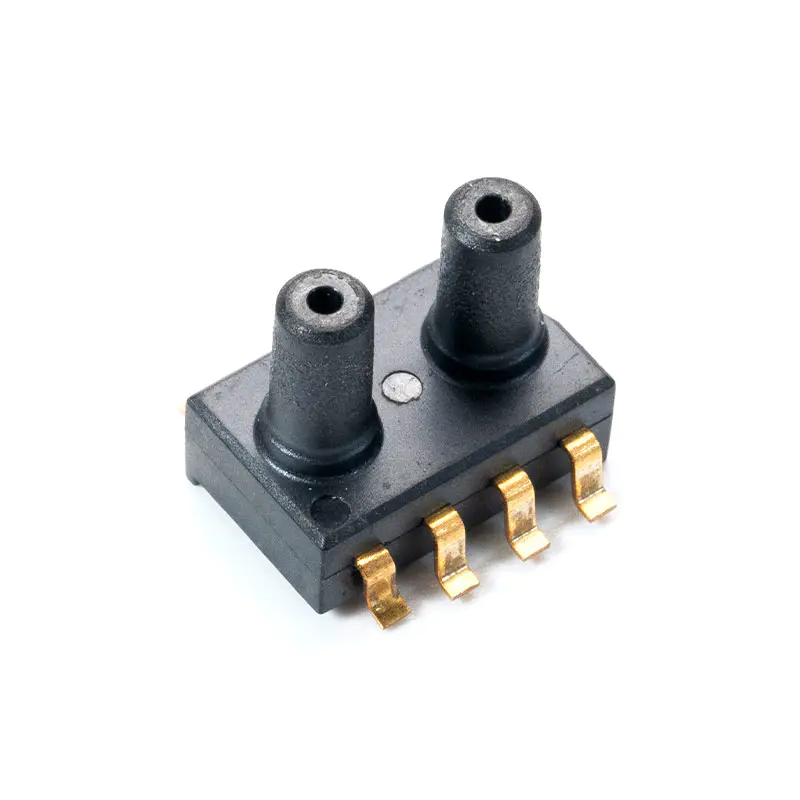
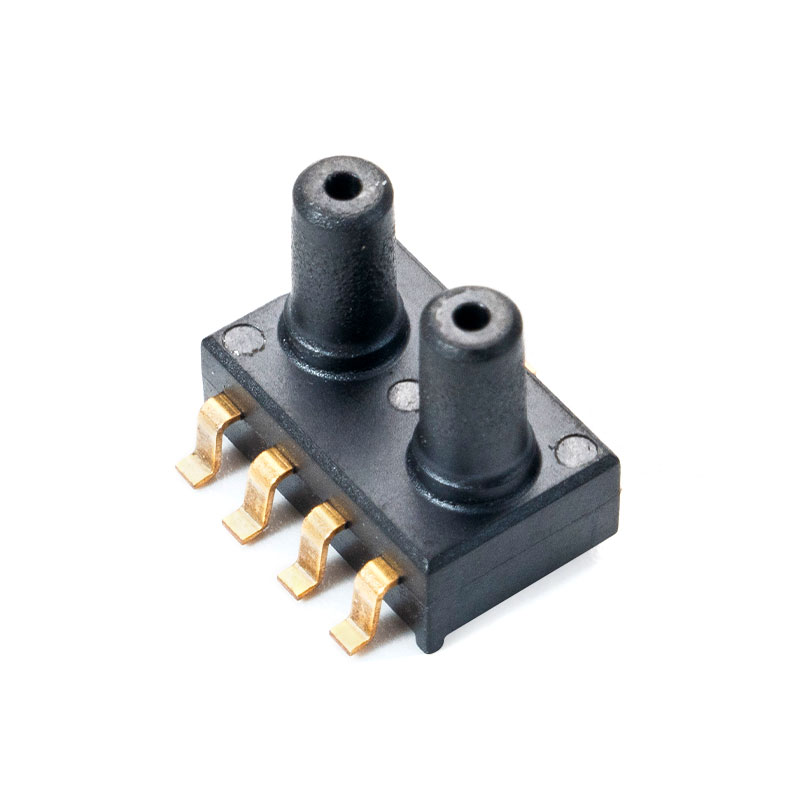
Industrial pressure sensors are widely used in agricultural irrigation sprinklers, towerless water supply, fire protection systems, HVAC, etc. In agricultural irrigation, it monitors pipeline water pressure in real time; in towerless water supply and fire protection, it provides accurate pressure data feedback; in HVAC systems, it is used to optimize pipeline pressure control and residual pressure alarm.
Mems
Wuxi Mems Tech Co., Ltd.
Founded in 2011 and located in Wuxi National Hi-tech District—China’s hub for IoT innovation. We are China Pressure sensor for industrial Manufacturers and Custom Pressure sensor for industrial Exporter, Company. MemsTech is enterprise specializing in the R&D, production, and sales of MEMS pressure sensors.Our sensor products are widely used in medical, automotive, and consumer electronics sectors. With professional development, scientific production management, rigorous packaging and testing, and competitive pricing, we consistently deliver high-performance, cost-effective sensing solutions.
News
-
Understanding Medium Pressure Sensors A Medium Pressure Sensor is a precision sensing device designed to measure pressure levels that fall between low-pressure and high-pressure ranges. These sensors are widely used in systems where stable, accurate pressure monitoring is essential but extreme pressure resistance is no...
VIEW MORE
-
Pressure sensing is a fundamental capability that bridges the physical and digital worlds, enabling everything from weather forecasting to life-saving medical interventions. Among the various types, the absolute pressure sensor holds a unique and critical position. But what exactly sets it apart? Unlike sensors that me...
VIEW MORE
-
In the rapidly evolving landscape of modern engineering and electronic design, the demand for precise, reliable, and compact sensing solutions is at an all-time high. Among the myriad of technologies available, the MCP Pressure Sensor has emerged as a critical component for a wide array of applications, ranging from in...
VIEW MORE
Pressure sensor for industrial Industry knowledge
Core Applications and Technical Parameters of Industrial Pressure Sensors
The table below summarizes the core functions, key technical parameters, and the value proposition of Wuxi Mems Tech Co., Ltd. for industrial pressure sensors in various application scenarios.
| Application Scenario | Core Function | Key Technical Parameters | Value Proposition of Wuxi Mems Tech Co., Ltd. |
| Hydraulic & Pneumatic Systems | Real-time monitoring of system pressure to ensure safe equipment operation and prevent overload or leakage. |
|
Provides high-reliability, high-overpressure sensors. Through scientific production management and rigorous packaging and testing, we ensure long-term stable operation in harsh industrial environments. |
| Process Control & Automation | In chemical, food & beverage, and pharmaceutical processes, precisely control pressure in reactors and pipelines to guarantee product quality and production safety. |
|
Leveraging professional R&D capabilities, we offer high-precision, high-stability customized sensing solutions to meet the stringent requirements of different processes and achieve cost-effectiveness. |
| Compressors & Pumping Stations | Monitor inlet and outlet pressure to optimize equipment efficiency and enable fault prediction and protection. |
|
Provides stable, multi-interface pressure sensors. Their high-performance and cost-effective characteristics help reduce customers' total cost of ownership (TCO), making them suitable for large-scale deployment. |
| Refrigeration & Air Conditioning (HVAC/R) | Measure refrigerant pressure to ensure efficient heat exchange and safe system operation, enabling intelligent temperature control. |
|
Taking advantage of its location in China's hub for IoT innovation, Wuxi Mems Tech's sensors are easily integrated into IoT platforms for smart buildings and factories, enabling remote monitoring and data analysis. |
| Energy & Water Treatment | Monitor pipeline pressure and water levels (via differential pressure) to ensure the stability of water/gas supply systems and prevent pipe bursts. |
|
Offers high-protection, long-life sensor products. Through competitive pricing, we provide economical and reliable sensing layer nodes for large-scale IoT projects such as smart water and smart gas applications. |
5 Professional Industry Knowledge Titles
Here are 5 professional and in-depth knowledge titles centered on the theme of "Industrial Pressure Sensors," each accompanied by a detailed explanation.
1. A Guide to Selecting Industrial Pressure Sensors: From Measurement Principles to Environmental Adaptability
In industrial applications, selecting the correct pressure sensor is the first step to ensuring system reliability. Selection is not just about range and accuracy but involves deeper technical considerations.
Measurement Principles:
The main types are piezoresistive (the mainstream for MEMS), capacitive, and piezoelectric. Piezoresistive sensors, like the core products of Wuxi Mems Tech Co., Ltd., are the first choice in most industrial scenarios due to their high sensitivity, good linearity, and cost-effectiveness. Capacitive sensors excel in ultra-low pressure measurement and extremely high precision.
Interpreting Key Parameters:
- Accuracy vs. Repeatability: Accuracy is a composite indicator, while repeatability is the consistency of a sensor's readings when measuring the same pressure multiple times under identical conditions. In closed-loop control systems, high repeatability is more critical than high absolute accuracy.
- Long-term Stability and Thermal Zero Shift (TCO): Excellent industrial sensors must have extremely low long-term drift and temperature drift. Wuxi Mems Tech ensures its products maintain stable performance across a wide temperature range (e.g., -40°C to 125°C) through rigorous packaging and testing, reducing calibration frequency.
Environmental Adaptability:
Vibration, shock, electromagnetic compatibility (EMC), and the chemical corrosiveness of the contact medium must be considered. For example, in corrosive fluid environments, it is essential to choose isolation diaphragm materials like 316L stainless steel or Hastelloy.
2. Innovations and Challenges of MEMS Technology in Industrial Pressure Sensing
MEMS (Micro-Electro-Mechanical Systems) technology has revolutionized the landscape of pressure sensors, transforming them from bulky, expensive mechanical gauges into miniaturized, intelligent semiconductor devices.
Areas of Innovation:
- Miniaturization and Integration: MEMS chips are only millimeters in size, facilitating integration into space-constrained devices. They are also easily integrated with signal processing ASICs (Application-Specific Integrated Circuits) to achieve digital output and temperature compensation, enhancing system intelligence.
- High Cost-Effectiveness and Mass Production: Based on semiconductor manufacturing processes, MEMS sensors can be produced on a large scale with high consistency, significantly reducing costs. This is the technical foundation that allows Wuxi Mems Tech Co., Ltd. to provide competitive pricing and high-performance, cost-effective solutions.
Challenges Faced:
- Packaging Technology: MEMS chips are fragile and require highly reliable packaging to isolate them from harsh environments and transmit pressure. Packaging technology is the key determinant of a sensor's final performance and lifespan, and it is also where Wuxi Mems Tech builds its core competitiveness through professional R&D and rigorous testing.
- Media Isolation: In industrial settings, sensors often need to contact corrosive or high-temperature media. How to achieve reliable pressure transmission and media isolation through techniques like oil-fill and isolation diaphragms is a technical challenge in the industrialization of MEMS.
3. The Role and Data Value of Pressure Sensors in the Industrial Internet of Things (IIoT)
In the wave of Industry 4.0 and IIoT, pressure sensors are no longer just isolated measurement elements; they are the source of the data chain and the cornerstone for achieving predictive maintenance and process optimization.
From "Sensing" to "Insight":
Real-time data collected by pressure sensors, when analyzed through edge computing and cloud platforms, can be transformed into valuable business insights. For example, by analyzing the trend of minute fluctuations in a pump's outlet pressure, one can predict bearing wear or impeller blockage in advance, enabling predictive maintenance.
Empowering Intelligent Decision-Making:
In chemical production, precise pressure data streams combined with AI algorithms can dynamically adjust valve openings, optimize reaction conditions, increase yield, and reduce energy consumption. Wuxi Mems Tech, located in the Wuxi National Hi-tech District—China's hub for IoT innovation, is able to keep pace with IIoT trends and provide customers with smart sensing nodes that are easy to integrate and support digital interfaces (like I2C/SPI).
Data Security and Reliability:
As the "nerve endings" of IIoT, the data accuracy and communication stability of sensors are paramount. Any data drift or interruption can lead to erroneous decisions. Therefore, choosing a supplier like Wuxi Mems Tech Co., Ltd., which emphasizes high-performance and production management, is crucial.
4. Calibration and Maintenance of Industrial Pressure Sensors: Practices for Ensuring Long-Term Measurement Accuracy
A high-precision sensor, without proper calibration and maintenance, will see its performance degrade over time, eventually leading to production risks.
Importance of Calibration:
Calibration is the process of comparing a sensor's output against a known standard pressure. Industrial standards typically recommend annual calibration, or after experiencing significant shock or vibration.
Calibration Methods:
These include zero-point calibration, full-scale calibration, and multi-point linearity calibration. For high-precision applications, multi-point calibration and correction of the temperature compensation curve are essential.
Maintenance Strategies:
- Regular Inspections: Check electrical connections, aging of seals, and for leaks or blockages at interfaces.
- Troubleshooting: Common faults include output signal drift, no response, or signal jitter. This may be related to the sensor body, wiring, or power supply.
- Partnering with the Supplier: Choose a supplier that provides clear calibration guidelines and technical support. Wuxi Mems Tech Co., Ltd., with its professional development background, can provide customers with in-depth technical support to help them establish effective maintenance systems, ensuring the sensor's high-performance is maintained throughout its lifecycle.
5. Future Trends: The Intelligence, Wireless Connectivity, and Multi-Function Integration of Industrial Pressure Sensors
Industrial pressure sensors are evolving towards greater intelligence, convenience, and functionality.
Intelligence:
Future sensors will embed more powerful processors capable of performing self-diagnostics, data filtering, and simple decision-making directly at the sensor node, reducing the burden on central control systems.
Wireless Connectivity:
With the development of technologies like Low-Power Bluetooth (BLE) and LoRaWAN, wireless pressure sensors will be widely used in scenarios with difficult wiring, such as rotating equipment and temporary monitoring points, greatly enhancing deployment flexibility.
Multi-Function Integration:
Integrating pressure sensors with other sensors like temperature and humidity into a single package to form composite sensors can provide more comprehensive environmental status information while saving space and cost. Wuxi Mems Tech, as an R&D-focused enterprise, is actively laying out these cutting-edge technologies, committed to providing next-generation sensing solutions for medical, automotive, and industrial customers.

Mems Tech has specialized in the field of pressure sensors for over 14 years.
Quick
Product Categories
Contact Us
-
 [email protected]
-
 +86-18068257393
-
 50-1125 Zhongbang City Garden, No.2008 Taihu East Avenue, Xinwu District, Wuxi City, Jiangsu Province, China
Wuxi Mems Tech Co., Ltd.
Copyright © 2025 byWuxi Mems Tech Co., Ltd. Rights Reserved.
Custom Pressure sensor for industrial Manufacturers
