

 English
 Français
 中文简体
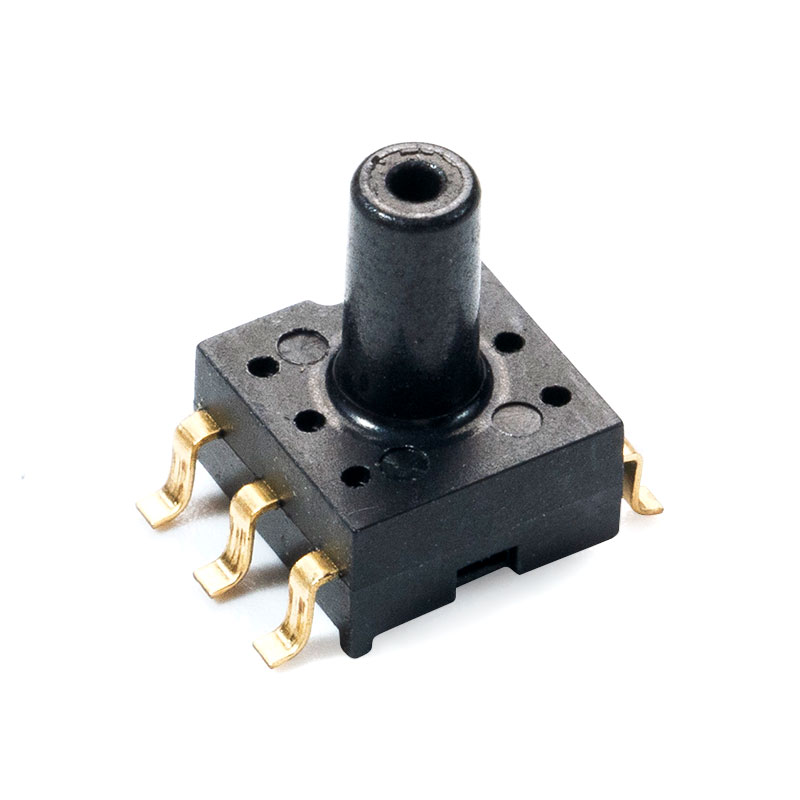
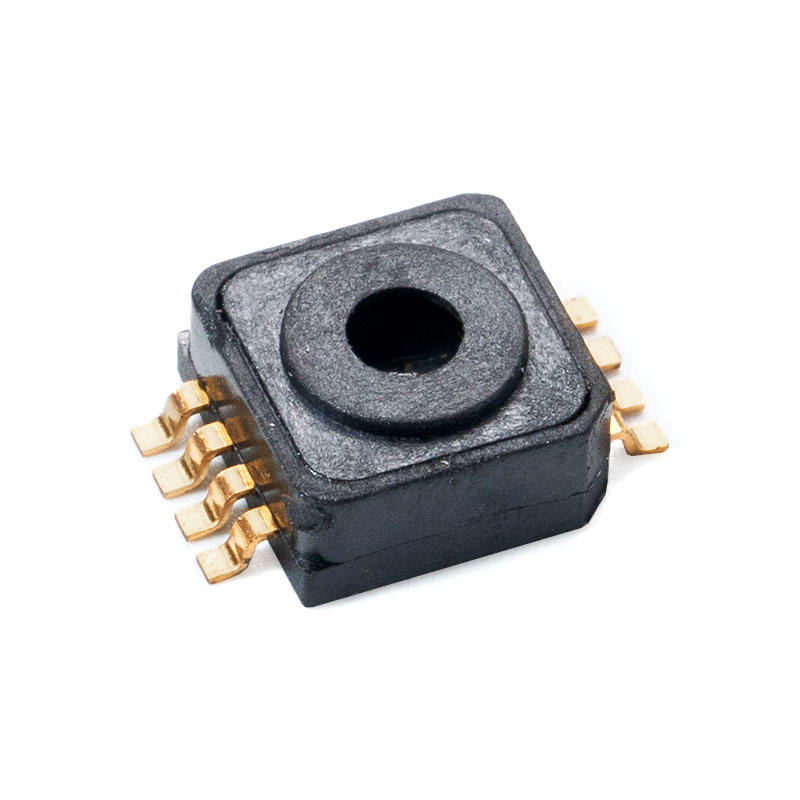
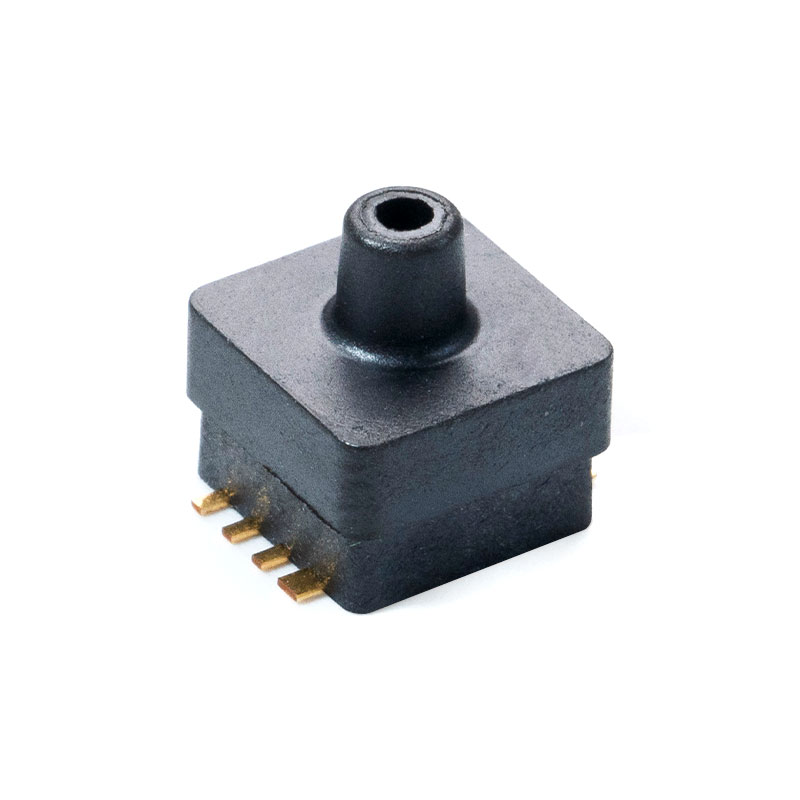
中文简体Pressure sensor for automobiles Manufacturers
Automotive pressure sensors are core components of vehicle pressure monitoring and control systems, and are widely used in key areas such as engine intake manifold pressure measurement, tire pressure monitoring (TPMS), and brake system pressure detection. In engine management, the intake manifold pressure sensor (MAP sensor) monitors the intake pressure in real time; the tire pressure sensor continuously monitors the tire pressure; in the brake system, the pressure sensor detects changes in hydraulic or air pressure to assist ABS, ESP and other systems in achieving precise braking. Modern automotive pressure sensors mostly use MEMS (micro-electromechanical system) technology, which has the characteristics of high precision, high temperature resistance, and vibration resistance.
Mems
Wuxi Mems Tech Co., Ltd.
Founded in 2011 and located in Wuxi National Hi-tech District—China’s hub for IoT innovation. We are China Pressure sensor for automobiles Manufacturers and Custom Pressure sensor for automobiles Exporter, Company. MemsTech is enterprise specializing in the R&D, production, and sales of MEMS pressure sensors.Our sensor products are widely used in medical, automotive, and consumer electronics sectors. With professional development, scientific production management, rigorous packaging and testing, and competitive pricing, we consistently deliver high-performance, cost-effective sensing solutions.
News
-
Understanding Medium Pressure Sensors A Medium Pressure Sensor is a precision sensing device designed to measure pressure levels that fall between low-pressure and high-pressure ranges. These sensors are widely used in systems where stable, accurate pressure monitoring is essential but extreme pressure resistance is no...
VIEW MORE
-
Pressure sensing is a fundamental capability that bridges the physical and digital worlds, enabling everything from weather forecasting to life-saving medical interventions. Among the various types, the absolute pressure sensor holds a unique and critical position. But what exactly sets it apart? Unlike sensors that me...
VIEW MORE
-
In the rapidly evolving landscape of modern engineering and electronic design, the demand for precise, reliable, and compact sensing solutions is at an all-time high. Among the myriad of technologies available, the MCP Pressure Sensor has emerged as a critical component for a wide array of applications, ranging from in...
VIEW MORE
Pressure sensor for automobiles Industry knowledge
Pressure Sensors for Automobiles - Applications & Solutions Summary
| Application Scenario | Core Function and Importance | Representative Product Solution |
| Braking System | Monitors pressure in the brake vacuum booster to ensure normal brake assistance. A key link in vehicle active safety. | MPM281 Pressure Sensor |
| Battery Thermal Management System | Monitors the coolant circuit pressure in electric vehicle battery packs, preventing coolant leakage that could lead to battery overheating, ensuring battery safety and lifespan. | Corrosion-Resistant Media Isolated Pressure Sensor |
| Automotive Air Conditioning System | Monitors refrigerant pressure in the AC lines, controls compressor operation for efficient cooling and system protection. | MPM281 Pressure Sensor |
| Engine Management System | Monitors Manifold Absolute Pressure (MAP) and Barometric Pressure (BARO), providing critical data to the ECU for optimizing air-fuel ratio, improving efficiency and emission control. | MPM281 Pressure Sensor |
| Emission Control System | Monitors the pressure difference across the Diesel Particulate Filter (DPF) and the Exhaust Gas Recirculation (EGR) system pressure, ensuring effective operation of the exhaust aftertreatment system and reducing emissions. | MPM281 Pressure Sensor |
| Transmission System | Monitors the hydraulic pressure in the automatic transmission control unit, ensuring smooth and precise shifting. | MPM281 Pressure Sensor |
| Tire Pressure Monitoring System (TPMS) | Directly measures the pressure inside each tire and alerts when pressure is abnormal, enhancing safety and fuel economy. | (Mentioned as an application area, specific model not listed) |
Detailed Content Elaboration
1. Safety-Critical Systems
- Braking System: The MPM281 sensor is used in the brake vacuum booster. By accurately monitoring vacuum pressure, it ensures the driver receives timely and reliable braking assistance, one of the most fundamental and important safety functions of a vehicle.
- Tire Pressure Monitoring System (TPMS): TPMS is explicitly listed as a key application area. Real-time tire pressure monitoring effectively prevents safety accidents caused by under-inflated tires, such as blowouts and loss of control.
2. Core Systems for Electric Vehicles
- Battery Thermal Management System (BTMS): Addressing the potentially corrosive nature of coolants in electric vehicle batteries, MPSENS offers a specialized Corrosion-Resistant Media Isolated Pressure Sensor. This sensor reliably monitors coolant pressure and is one of the core sensors for preventing battery thermal runaway and ensuring the safe operation of electric vehicles.
3. Powertrain and Emission Systems
- In these systems, pressure sensors are crucial for improving engine efficiency and controlling pollutant emissions. Specific applications include:
- Intake Management: Providing Manifold Absolute Pressure (MAP) and Barometric Pressure (BARO) signals.
- Exhaust Aftertreatment: Monitoring the pressure difference across the Diesel Particulate Filter (DPF) and the Exhaust Gas Recirculation (EGR) system pressure.
- Transmission Control: Ensuring stable hydraulic pressure in the automatic transmission for smooth shifting.
4. Comfort and Body Systems
- Automotive Air Conditioning (A/C): The MPM281 sensor is used to monitor the refrigerant pressure in the AC lines, helping the system control compressor operation to ensure cooling performance while optimizing energy efficiency and protecting the system.
Core Product Highlights
- From the application list, it is evident that the MPM281 Pressure Sensor is a versatile, highly reliable core product in MPSENS's portfolio, covering multiple critical areas from braking and air conditioning to engine and transmission systems.
- For harsh media environments like battery coolant, specialized media-isolated sensor solutions are provided, demonstrating their professional technical capability tailored to different application scenarios.
5 Professional Industry Knowledge Titles
1. From Vacuum Booster to Domain Controller: The Evolution of Automotive Pressure Sensors in Brake Safety Systems and MEMS Technology Challenges
Content Focus
- Explore the evolution of brake systems, particularly vacuum booster pressure monitoring, from simple switch signals to high-precision, high-reliability analog signals.
- Analyze the technical challenges MEMS sensors face in this safety-critical application (e.g., media compatibility, long-term stability, failure modes).
- Explain how Wuxi Mems Tech Co., Ltd. addresses these challenges through chip design and packaging technology.
2. The "Pulse" of EV Thermal Management: Analyzing Key Parameters and Selection Criteria for Pressure Monitoring in Battery Cooling Systems
Content Focus
- Focus on the electric vehicle market, one of the fastest-growing sectors.
- Detail the key parameters for pressure sensors used in EV battery cooling loops:
- Pressure Range: Typically around -100kPa to 1MPa (Gauge or Absolute)
- Media Compatibility: Must withstand long-term corrosion from coolants (e.g., glycol-water mixture)
- Accuracy & Error Band: Includes room temperature accuracy, accuracy over the full temperature range (-40°C ~ 125°C), temperature drift, long-term drift
- Long-Term Stability: Signal drift over the lifecycle in high-temperature fluid environments
- Electrical Interface: Analog output (e.g., 0.5V-4.5V) or digital output (e.g., SENT, PSI5)
- Discuss how to select the appropriate sensor based on these parameters, incorporating Wuxi Mems Tech Co., Ltd.'s "media isolation" technology.
3. Beyond "Pressure Reading": The Application of Multi-Physical Data Fusion with MEMS Pressure Sensors in Automotive Air Suspension and TPMS
Content Focus
- Discuss how the role of pressure sensors is expanding beyond monitoring pressure itself. For example:
- Calculating vehicle height and load via pressure changes in air suspension systems.
- Fusing pressure data with temperature and acceleration data in TPMS for advanced functions like tire localization and high-temperature warnings.
- Showcase Wuxi Mems Tech Co., Ltd.'s capability in integrating MEMS sensing chips with ASIC signal conditioning circuits to provide smarter, more integrated sensing solutions.
4. The Art of Balancing Cost and Performance: The Localized Supply Chain and Manufacturing Process for Automotive Pressure Sensors in Mass Markets
Content Focus
- Approach from market and manufacturing perspectives.
- Analyze how to achieve competitive cost control for high-volume applications (like Manifold Absolute Pressure MAP, air conditioning pressure) while ensuring automotive-grade reliability. Methods include:
- MEMS wafer-level packaging
- Automated testing and calibration
- Localized supply chain
- Highlight the geographical advantage of Wuxi Mems Tech Co., Ltd. being located in Wuxi National Hi-tech District, an IoT industry hub, and how its scientific production management system supports this "balancing act."
5. The Sensory Cornerstone for L3+: On Functional Safety (ISO 26262) Design and System Integration Challenges for Pressure Sensors
Content Focus
- Address the cutting-edge field of high-level automated driving.
- Explain why pressure sensors used in critical systems like braking and battery thermal management must meet functional safety requirements.
- Interpret the requirements of the ISO 26262 standard regarding ASIL levels (e.g., ASIL B) for aspects like:
- Sensor chip architecture
- Diagnostic coverage
- Failure Mode and Effects Analysis (FMEA)
- Explore the considerations and technical preparations Wuxi Mems Tech Co., Ltd. undertakes in its R&D processes and chip design when developing functional safety-compliant sensor products.

Mems Tech has specialized in the field of pressure sensors for over 14 years.
Quick
Product Categories
Contact Us
-
 [email protected]
-
 +86-18068257393
-
 50-1125 Zhongbang City Garden, No.2008 Taihu East Avenue, Xinwu District, Wuxi City, Jiangsu Province, China
Wuxi Mems Tech Co., Ltd.
Copyright © 2025 byWuxi Mems Tech Co., Ltd. Rights Reserved.
Custom Pressure sensor for automobiles Manufacturers
